Texas

Sober Living Homes

Colorado

Sober Living Homes

Philadelphia

Sober Living Homes

Recovery Blog

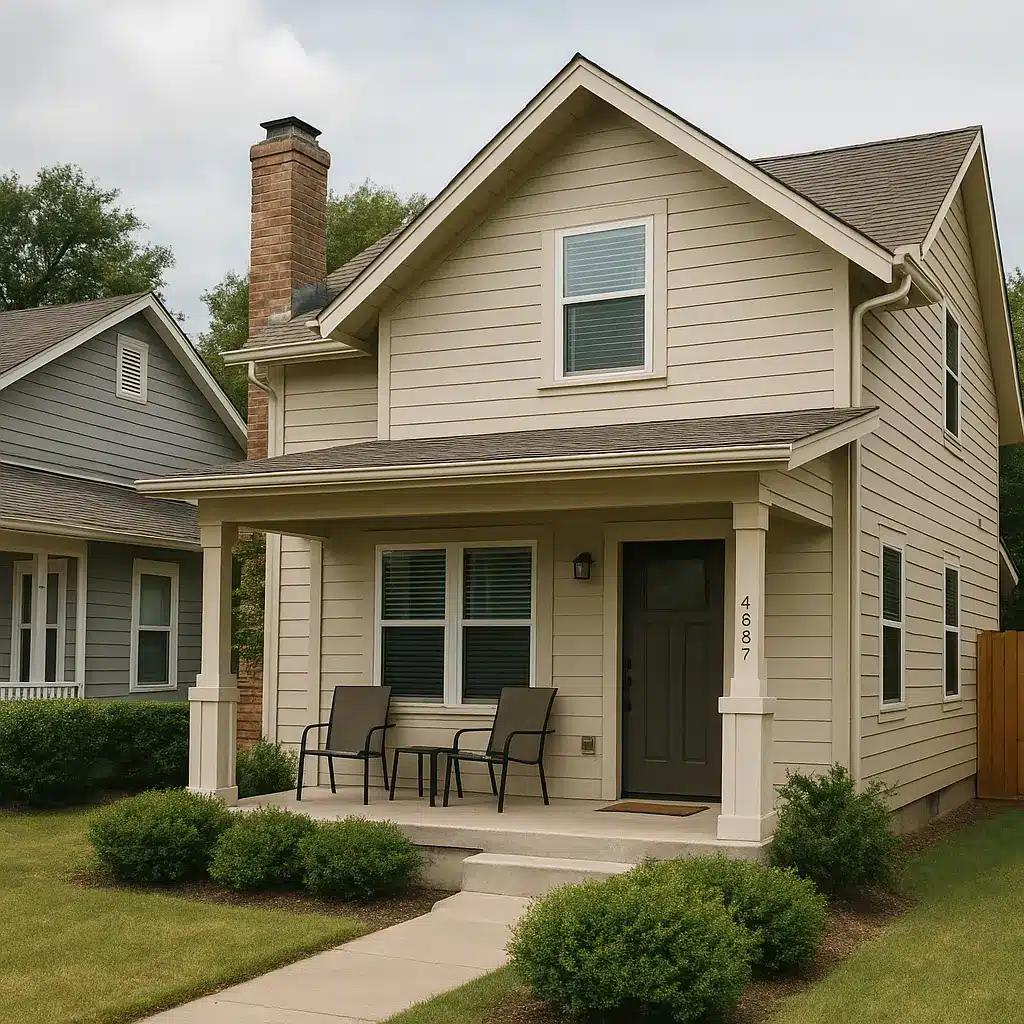
A realistic recovery home in Austin featuring a well-kept front porch and welcoming sober living environment, representing extended care housing options.

Extended Care & Recovery Homes in Austin

Leaving inpatient treatment is a major milestone, but it is not the end of recovery. Many people need a structured next step so they can practice sober living while rebuilding work, school, and family life. Extended care and recovery homes in Austin fill this gap by offering safe housing, accountability, and ongoing clinical or peer support. Research shows that addiction treatment works best when it lasts at least three months and often longer. Extended care gives people time to turn new habits into a routine, instead of going straight from rehab back into daily stress.

Read More »
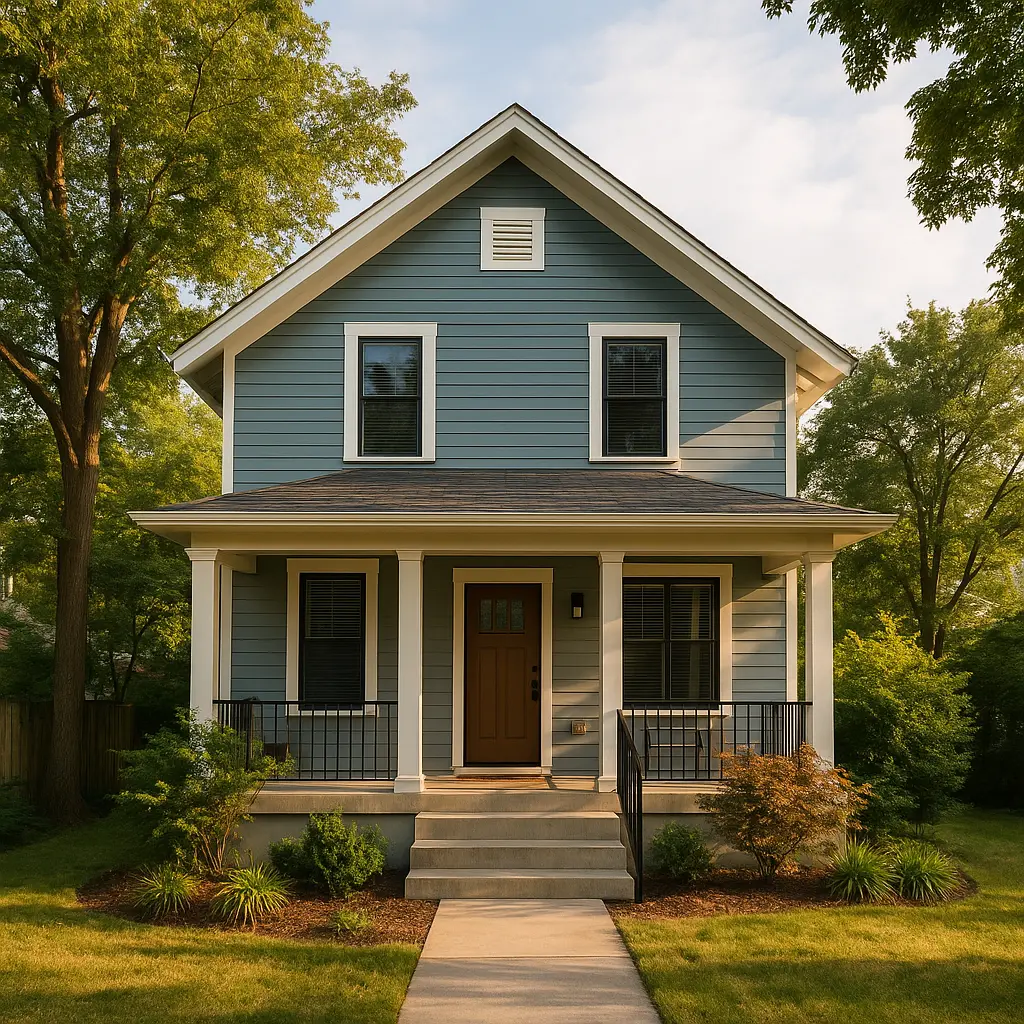
A modern residential sober living home representing halfway house alternatives in Austin, featuring a clean and comfortable exterior with well-kept landscaping.

Halfway House Alternatives in Austin

After detox or rehab, many people are not ready to move straight back home. They want structure, sober housing, and support—but not the justice‑system focus that often comes with a halfway house. In Austin and across Texas, residential sober living homes are the main halfway house alternatives for people whose priority is recovery, not parole.

This guide explains what a halfway house is in Texas, how sober living houses differ, and how to decide which type of sobriety home fits your needs in Austin.

Read More »

How to Start a Halfway House in Austin

Starting a halfway house in Austin is both a community service and a complex project. You’ll balance zoning laws, safety rules, funding, and staffing while trying to create a stable, recovery‑friendly home. This guide walks through the major steps, with a focus on Texas requirements and local alternatives like sober living and other recovery residences.

Read More »
Men standing and interacting outside a well-kept sober living house in Philadelphia, representing recovery housing and structured peer support.

Recovery Housing in Philadelphia

Recovery housing gives people in early recovery a stable place to live while they rebuild their lives. In Philadelphia, options range from informal recovery homes to licensed halfway houses and structured sober living houses. Together, these settings form a bridge between intensive treatment and fully independent living. When people search for “sober living Philadelphia” or “halfway house Philadelphia,” they are usually trying to understand what these options look like in real life, how safe they are, and whether they are a fit for their stage of recovery. This guide explains how recovery homes in Philadelphia work, how they are regulated, and what to look for when comparing programs across the city, including in Northeast Philadelphia.

Read More »
A group of adults sitting together in a calm, supportive sober living environment, representing fresh start sober living programs in Colorado Springs.

Fresh Start Sober Living in Colorado Springs

Long‑term recovery is not only about stopping alcohol or drug use. It is about rebuilding daily life in a way that makes sobriety realistic and sustainable. For many people, that happens in sober living homes—structured, substance‑free environments where residents can practice living independently while still having support. Colorado Springs offers a unique setting for this stage of recovery. With active outdoor culture, a growing recovery community, and established sober living programs, it is a practical place to make a fresh start.

Read More »
Small group of adults sitting in a circle during an AA-style support meeting in San Antonio, creating a calm and supportive recovery environment.

AA Meetings in San Antonio, TX

San Antonio has a large and active recovery community. Every week, hundreds of Alcoholics Anonymous (AA) groups meet across the city and surrounding areas, in church halls, community centers, clubhouses, and online rooms. If you or someone you care about is trying to stop drinking, AA meetings in San Antonio can become one of the most steady forms of support in your recovery. This guide explains how AA works locally, what to expect at meetings, and how AA groups can work alongside professional treatment and sober living options in the wider addiction recovery landscape of San Antonio.

Read More »
A group of men sitting in a circle inside a structured male halfway house, participating in a peer-support discussion within a recovery home setting.

Male Halfway Houses in Philadelphia

Leaving rehab, jail, or a long hospital stay is a major change. For many people in Philadelphia, a male halfway house or other recovery housing provides a safer bridge between intensive care and fully independent life. This guide explains how halfway houses and recovery homes in Philadelphia work, how they differ from rehab and sober living, and what to consider when comparing options for men and women. It is for general information only and is not a substitute for professional medical, legal, or housing advice.

Read More »
A person budgeting at a desk with a calculator, cash, and documents, representing financial assistance options for affordable sober living in Austin.

Financial Help for Sober Living in Austin

Finding stable housing after treatment is one of the hardest parts of early recovery. Rent, deposits, groceries, and transportation can make sober living in Austin feel out of reach—especially if work has been interrupted or savings are low. The good news is that there are options. Between public programs, nonprofit sober living scholarships, flexible payment plans, and careful budgeting, many people do find real help paying for sober living and are able to stay in a safe, substance‑free home while they rebuild.

Read More »
A recovery support group sitting together in a calm living room setting, with individuals engaged in thoughtful conversation about Alcoholics Anonymous and addiction recovery resources.

Does Alcoholics Anonymous Really Work?

If you live in Austin and you or someone you love is struggling with alcohol, chances are you’ve heard of Alcoholics Anonymous (AA). It’s free, it’s everywhere, and for many people it’s the first recovery resource they try. But you may also have questions: Is Alcoholics Anonymous good or bad? Does Alcoholics Anonymous really work, or is it overrated? What about relapse, therapy, and other options in Austin, Texas? This guide walks through what AA is, what the research actually shows, common Alcoholics Anonymous problems and strengths, and how AA fits into the larger network of addiction recovery resources in Austin.

Read More »
A supportive outpatient rehab group session in a calm, home-like setting, showing adults engaged in guided discussion as part of addiction recovery in Philadelphia.

Outpatient Rehab and Detox in Philadelphia

If you are typing “best outpatient rehab near me,” “best detox centers near me,” or “best drug rehab near me” into a search bar, you are already doing something important: looking for help. Philadelphia has a dense network of inpatient, outpatient, and detox programs. Different national directories list well over 100 treatment options in and around the city, including hospital‑based services, private programs, and publicly funded clinics.

Read More »
A diverse group of adults sitting in a supportive recovery meeting in Austin, TX, representing the environment found in AA and NA meetings in Austin.

AA & NA Meetings in Austin, TX

Austin has a large and active recovery community. For many people, mutual‑help groups like Alcoholics Anonymous (AA) and Narcotics Anonymous (NA) are a key part of addiction recovery in Austin, alongside professional care and supportive housing. Large research reviews suggest that AA‑style 12‑step facilitation can produce abstinence rates that are at least comparable to other standard treatments and may reduce health‑care costs for alcohol use disorder. This guide explains how AA NA meetings in Austin, TX fit into that landscape, what a newcomer can expect, and how to locate meetings across the city, including the well‑known NA 24 Austin clubhouse. It is general information only and does not replace medical or mental‑health advice.

Read More »
A diverse group of adults participating in an in-person NA and AA-style substance abuse support meeting, sitting in a circle and talking in a calm, supportive setting.

Substance Abuse Meetings in Austin

Finding consistent support is a major part of addiction recovery in Austin. For many people, substance abuse meetings are the first place they talk honestly about alcohol or drug use with others who understand. In Austin, there are numerous in‑person and online meetings every day for people seeking help with alcohol, drugs, or both. These include Alcoholics Anonymous (AA), Narcotics Anonymous (NA), and other peer‑led groups. AA and NA are long‑standing, community-based fellowships that help members support one another in staying sober.

Read More »
Woman participating in an Alcoholics Anonymous support group meeting in Austin, sitting in a circle and listening during a recovery discussion.

AA Meetings in Austin, TX

Addiction recovery in Austin often includes more than one kind of support. For many people, local AA meetings in Austin, Texas become a steady source of connection, structure, and accountability alongside professional care. Austin Alcoholics Anonymous (AA) groups meet every day across the city and the surrounding Hill Country, offering options for people at many stages of change—from those who are only curious about sobriety to those with years in recovery. AA Austin meetings are free, volunteer‑run, and open to anyone with a desire to stop drinking.

Read More »
A support group comforting a man showing signs of addiction behavior during a recovery discussion in a calm home setting.

Addiction Behavior and Recovery in Houston, TX

Addiction is more than using alcohol or drugs. It also shows up in patterns of thinking and acting that can be confusing for everyone involved. These addiction behaviors are often what families in Houston notice first, long before there is a diagnosis.

You might see mood swings, secrecy, or money problems and wonder if they are normal stress or a sign of something more serious. Understanding the common behaviors of an addict can make it easier to respond with clarity, set healthy limits, and know when to seek help. In this article the terms addiction behavior and addiction behaviour are used to describe the same patterns.

Read More »
A small inpatient-style therapy group meeting with a counselor and participants in a calm, supportive environment, representing inpatient drug treatment and addiction recovery in Philadelphia.

Inpatient Drug Treatment in Philadelphia

Finding inpatient help for substance use in Philadelphia can feel overwhelming. Dozens of programs exist in the city and surrounding counties, ranging from hospital-based detox to long‑term residential care. This guide explains how inpatient treatment works, what the best addiction rehab centers tend to offer, and how to compare your options so you can choose a setting that fits your needs.

Read More »
Call Now Button