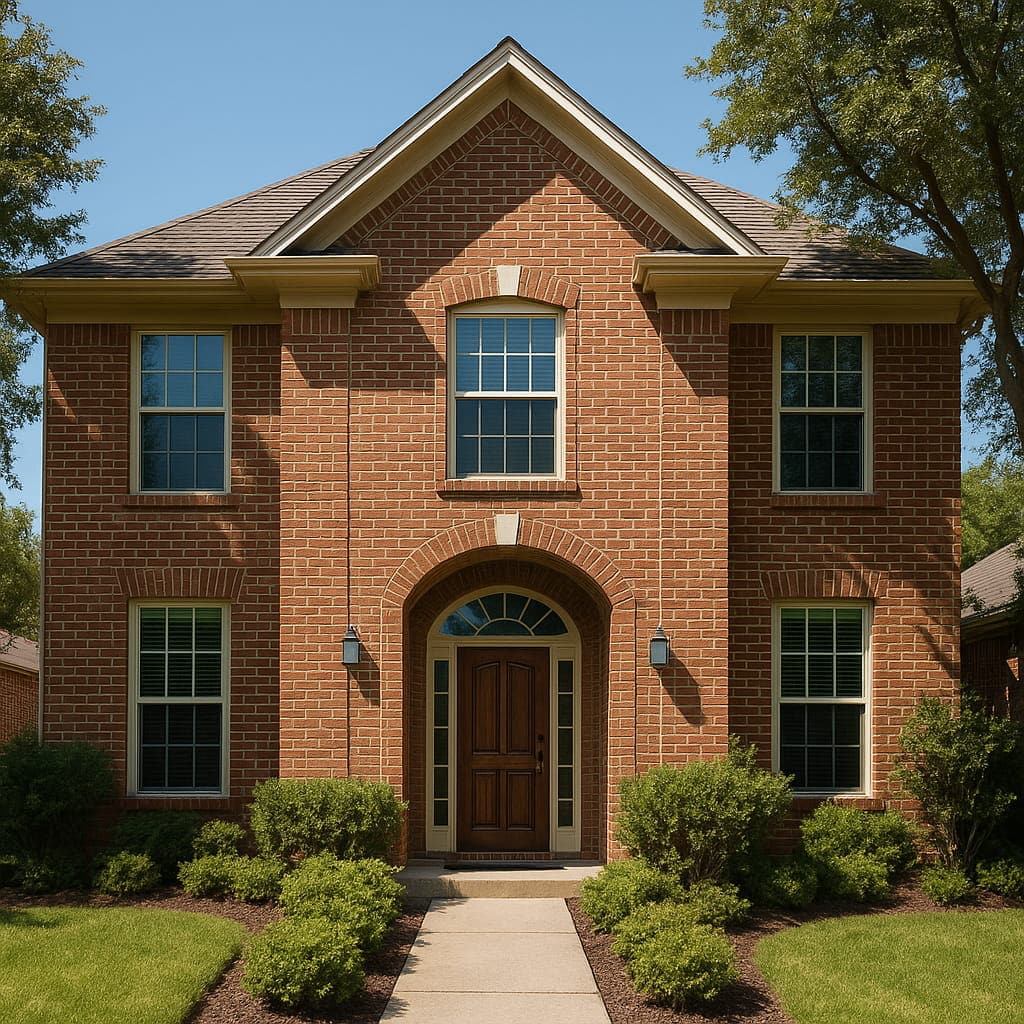
Find Men’s Sober Living in Dallas, TX
This guide summarizes what leading Dallas and Texas providers publicly emphasize about men’s sober living and outpatient care. It’s informational, not medical advice.

This guide summarizes what leading Dallas and Texas providers publicly emphasize about men’s sober living and outpatient care. It’s informational, not medical advice.

Choosing a sober living home in Allen, Texas is easier when you know what to look for. This guide explains how men outpatient sober living works, how to pair housing with intensive outpatient in Allen, Texas, what to ask each provider, and how San Antonio men’s options (including the often‑searched “house of the rising sun sober living san antonio”) compare. The tone here is neutral and practical so you can make a confident decision.

Finding a good sober living home in Plano, Texas comes down to three things: fit, structure, and support. For men who also need therapy while returning to school or work, pairing sober housing with an intensive outpatient (IOP) program often works well. Below, you’ll find a clear summary of what the current top search results emphasize, plus a step‑by‑step guide to choosing men outpatient sober living in Plano, Texas.

A sober living home is a drug‑ and alcohol‑free residence that offers structure, peer accountability, and practical support while people build stability after treatment. These homes are not hospitals or rehabs. Instead, they bridge intensive care and fully independent living, with house rules, shared responsibilities, and community routines that reinforce sobriety. Programs often include curfews, chore schedules, drug and alcohol testing, and expectations to work, volunteer, or attend school.
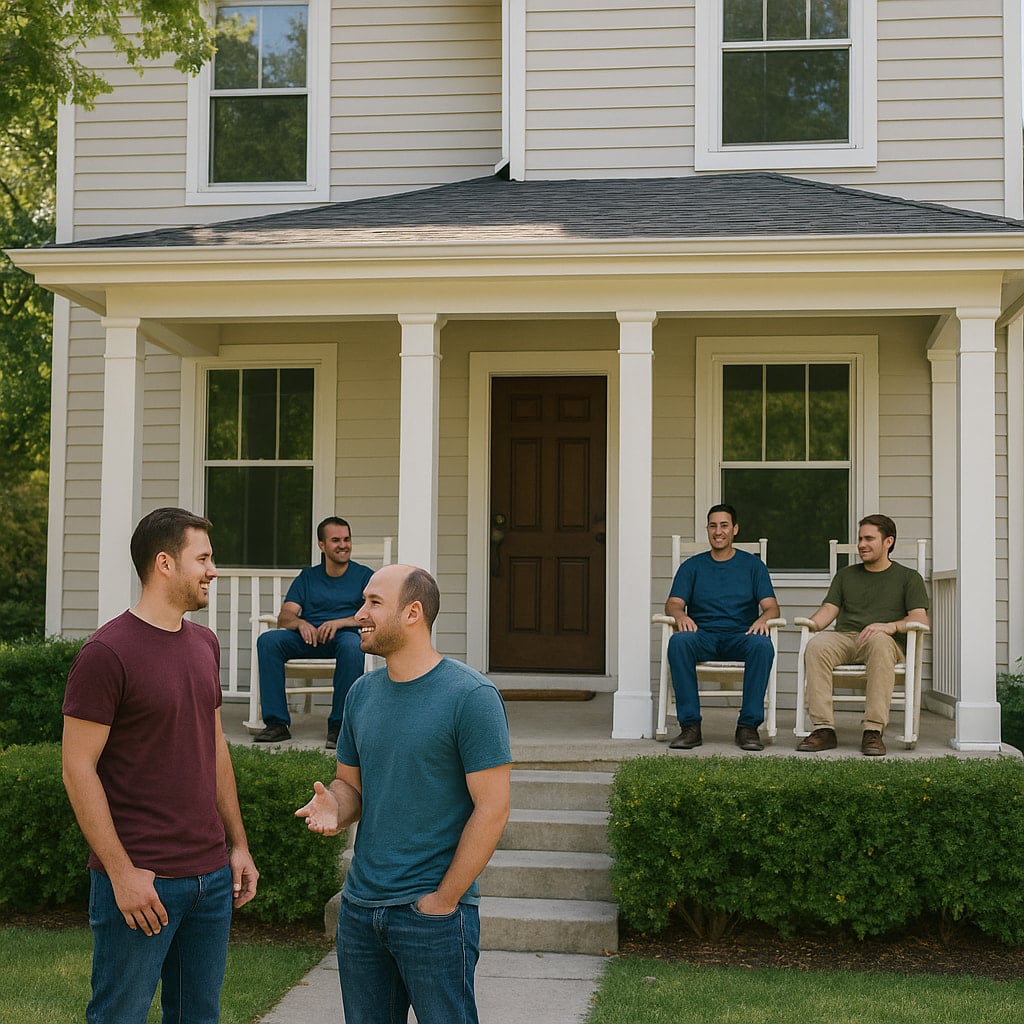
If you’re weighing men’s sober living in Austin, the big question is time: How long can you stay? In practice, most men live in a sober living home for several months, and some remain a year or longer. Certain peer‑run models place no formal cap as long as you follow house rules and pay your share. Your timeline depends on the house type, your recovery plan, and how ready you are for independent living.

Most Austin sober living homes operate month‑to‑month with no fixed maximum stay. Typical stays range 3–12 months, and research links at least six months in sober living with stronger outcomes. Halfway houses are different—they often impose time limits.
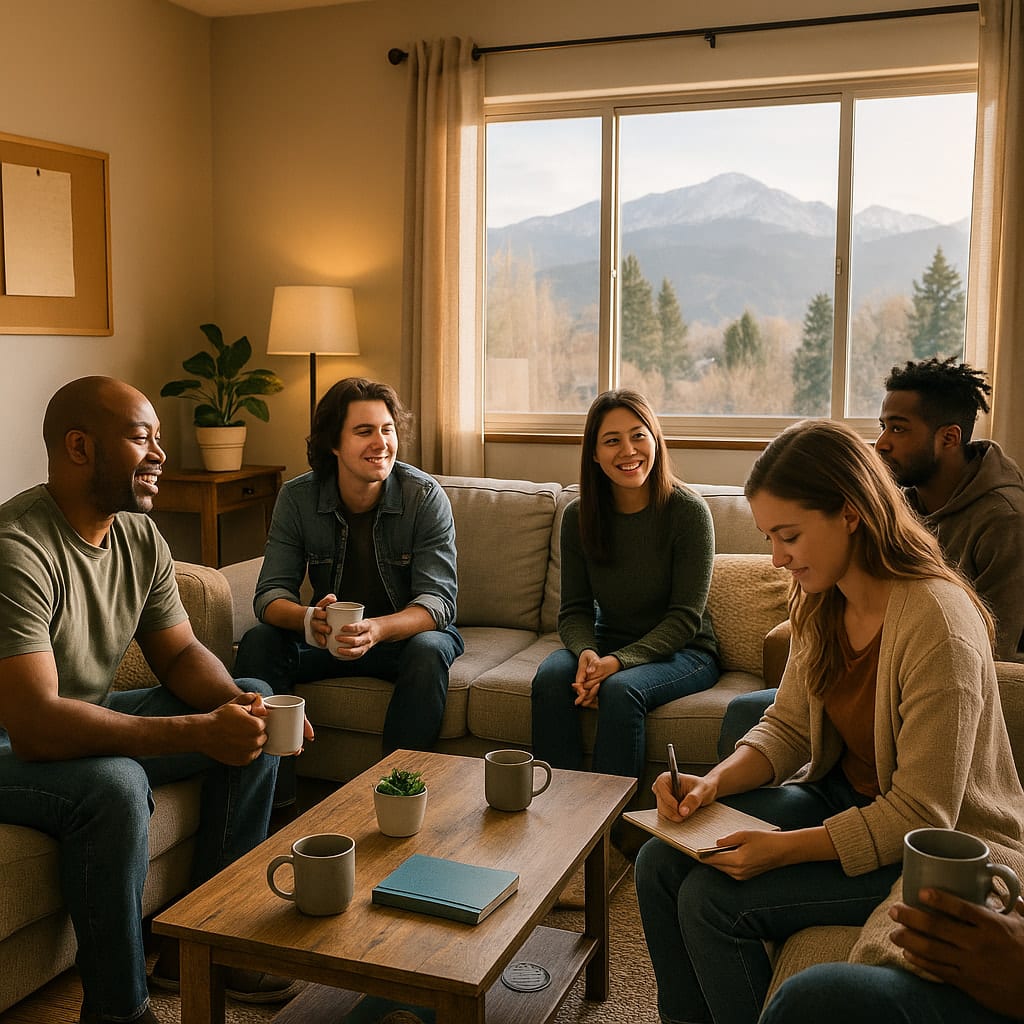
Can a drug addict fully recover without going to rehab? This guide looks at what the research says and how men’s sober living in Houston can support recovery outside of inpatient treatment.

Can a drug addict fully recover without going to rehab? This guide looks at what the research says and how men’s sober living in Houston can support recovery outside of inpatient treatment.

Sober living is a bridge between intensive treatment and independent life. The length of that bridge is not fixed. Programs set house rules, but the stay should reflect a resident’s progress, stability, and goals. A neutral look at top results on this topic shows a consistent pattern: most sources describe minimums of about three months, common ranges of 6–12 months, and evidence that longer stays improve outcomes.

Can a drug addict fully recover without going to rehab? This guide looks at what the research says and how men’s sober living in Houston can support recovery outside of inpatient treatment.

If you’re weighing men’s sober living in Austin, the big question is time: How long can you stay? In practice, most men live in a sober living home for several months, and some remain a year or longer. Certain peer‑run models place no formal cap as long as you follow house rules and pay your share. Your timeline depends on the house type, your recovery plan, and how ready you are for independent living.

The final step of the 12-Step Program requires you to carry the message to others and put the principles of the program into practice every day of your life. To help you learn how to do this, we’ll review this step in more detail below.

Learning how to deal with drug and alcohol cravings is one of the biggest challenges you’ll likely face in the early stages of recovery. Although cravings can be powerful motivators for relapse, you don’t have to let them control your behavior, and there are effective ways to cope.
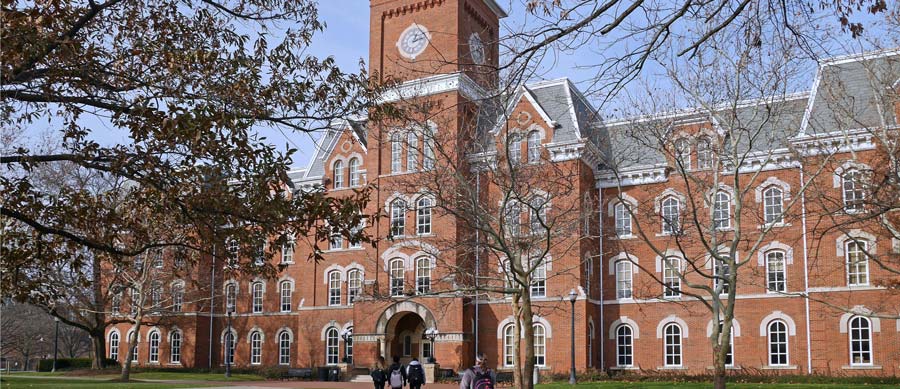
College is often linked with parties, drinking, and pressure to “fit in.” But many students want something different. Some are in recovery. Others simply prefer an environment where alcohol and drug use is less central to campus life.
This guide explains what people mean by sober colleges, how national rankings are created, and how to choose a campus that supports your goals. You’ll also find a current list of 10 schools that students rate as having low beer use, plus practical steps for building a sober support plan.

Key Takeaways Pink clouding definition: A temporary “honeymoon phase” in early recovery marked by optimism and energy—helpful, but not permanent. How long it lasts: The