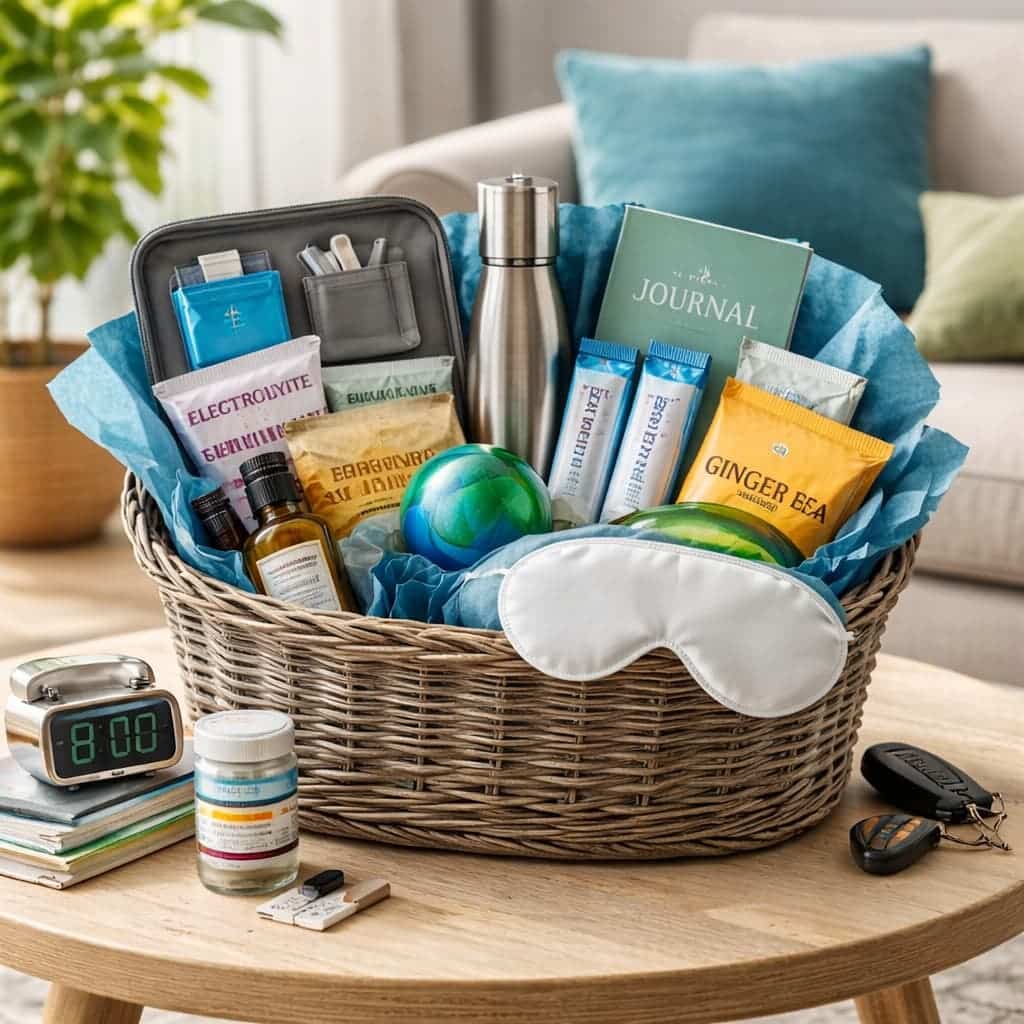

Sobriety gifts work best when they support a real plan, not an ideal version of recovery. If your loved one is using alcohol craving medication (sometimes searched as a drug for alcohol cravings or alcoholic medication), the most helpful gifts are usually practical: they reduce stress, protect routines, and make follow-through easier.





This guide is built for friends and family in Austin, TX who want to help to quit drinking in a respectful way. It includes gift ideas, what to avoid, and what to do when a gift is not enough. It is general education, not personal medical advice.
Key Takeaways
- Ask for consent and privacy preferences before you buy
- Understand how alcohol craving medication fits into recovery
- Choose gifts that support routines, comfort, and cravings management
- Avoid gifts that trigger drinking culture or force disclosure
- Know the signs of a drinking problem and when a gift isn’t enough
- Use practical scripts and boundaries to help in Austin
- Follow medication-friendly advice to stop drinking and avoid high-risk moments
- Use the FAQs to guide gift choices and support next steps
Start with consent: the question that makes any sobriety gift safer
Before you buy anything, ask one low-pressure question:
“Do you want a gift that feels private and normal, or something that directly supports your stop drinking alcohol goals?”
That question matters because “recovery visibility” is personal. Some people love milestone tokens and sober slogans. Others prefer subtle support that does not announce anything to roommates, coworkers, or extended family.
If you are unsure, choose privacy first. A good sobriety gift can be supportive without being a billboard.
Alcohol craving medication: what to know before you build a care package
Alcohol craving medication is part of a broader pharmaceutical treatment for alcoholism, also called alcohol use disorder treatment. Medication can reduce cravings or relapse risk, but it works best when it fits the person’s goals, medical history, and daily routine.
Two practical points to keep in mind as a gift-giver:
- Do not try to “manage” their medication. A gift should support autonomy, not create monitoring or pressure.
- Support consistency. Many medications work better when taken as prescribed, on schedule, and alongside counseling or peer support.
If you want a plain-language overview of evidence-based care (including medicines and behavioral approaches), MedlinePlus explains options in Alcohol Use Disorder (AUD) treatment.
Sobriety gifts that support medication routines and reduce cravings
The best gifts for someone using a drug for alcohol cravings tend to help in three areas: routine, body comfort, and stress regulation. Below are ideas that fit many recovery styles without assuming a specific program.
Routine and follow-through gifts
- A discreet pill organizer (weekly or monthly) and a small travel pouch for workdays.
- A simple reminder system like a dry-erase calendar, paper habit tracker, or a small alarm clock.
- An appointment notebook to track questions, side effects, and progress for medical visits.
- Ride support (gas card, transit pass, or rideshare credit) if getting to appointments is a barrier.
Body-comfort gifts for early recovery
- A refillable water bottle and electrolyte packets to support hydration.
- Protein-forward snacks for “hungry = craving” moments during long shifts or classes.
- A sleep kit (eye mask, earplugs, or white-noise machine) because sleep disruption is common in early change.
- Ginger or peppermint options if mild nausea shows up, but remind them to ask their clinician about interactions.
Stress and coping gifts that feel normal
- A journal that tracks patterns (sleep, stress, cravings, wins) rather than forcing “inspirational” content.
- A grounding kit (stress ball, fidget, or breathing prompt card) for urges that spike suddenly.
- A sober ritual upgrade like specialty coffee, tea, or sparkling water supplies for the time they used to drink.
- An alcohol-free Austin experience you can do together: a morning class, a hike, a museum visit, or a daytime show.
If the person is moving into a structured home, you can avoid buying duplicates by checking what to bring to sober living before you shop.
Eudaimonia's Success Stories – Real People, Real Freedom
EXCELLENTTrustindex verifies that the original source of the review is Google. Great staff, Eddie the property director is the bees knees! Eddie tells you like it is but shows empathy and compassion, while remaining form and kind!Posted onTrustindex verifies that the original source of the review is Google. Great people in a great placePosted onTrustindex verifies that the original source of the review is Google. Community of fellowship and directed house managers, firm,loving, and genuinely want you to succeed. Nice apts. As well laundry room free, pool, game room. Great price for recoveryPosted onTrustindex verifies that the original source of the review is Google. I am so grateful for Eudaimonia,it has changed my life for the best. I fall down but WE get up.
Sobriety gifts to avoid when someone is trying to stop drinking alcohol
Some gifts accidentally increase risk, even when the intent is good. If you want to help someone stop drinking, avoid items that pull them back into drinking culture or make recovery public without consent.
- Anything alcohol-related: bottles, bar tools, cocktail books, “wine time” décor, or drinking jokes.
- Recovery merch without permission: shirts, mugs, or signs that label them in public.
- Cash with no plan: large amounts of cash can be complicated if budgeting, impulse control, or boundaries are active goals.
- Restricted items: if they are entering recovery housing, confirm what is allowed first.
If you are building a care package for someone entering a structured environment, review the sober living community rules so your gift supports the setting instead of creating extra stress.
When a gift is not enough: alcohol dependence signs and what “real help” looks like
People often search for alcohol dependence signs because they hope a small push will solve it. But if the pattern is severe, sobriety gifts are not a substitute for care.
Common signs of alcohol addiction can include:
- Repeated failed attempts to cut back or stop drinking alcohol
- Strong cravings and drinking more than intended
- Withdrawal symptoms (shaking, sweating, nausea, anxiety, insomnia) when alcohol wears off
- Physical signs of alcoholism like worsening sleep, appetite changes, stomach issues, frequent injuries, or increasing depression
- Life impact: relationship conflict, missed work, risky driving, or declining health
Search terms like signs of an alcoholic or symptoms of an alcoholic are common, but a clinician will usually talk about alcohol use disorder severity instead of labels. NIAAA defines alcohol use disorder and how it ranges from mild to severe in Understanding Alcohol Use Disorder.
If you are worried about safety, or you need help to quit drinking resources fast, SAMHSA’s National Helpline can connect you to local support and treatment options.
How to help an alcoholic friend in Austin without taking over
Many people search “how can I help someone with a drinking problem” because they care, but they also feel exhausted. If you keep asking “how do you help an alcoholic,” the best starting point is usually a calm conversation plus one doable next step.
How do you tell if someone is an alcoholic?
If you are asking how to know if someone is an alcoholic, focus on control and consequences: are they unable to cut back, and is alcohol harming health, safety, or responsibilities? That is often more useful than debating a label.
How to help someone with a drinking problem
Start with compassion, specific examples, and one next step you can support. If you are unsure what to do, offer to help them book an appointment or find an assessment.
How to help someone stop drinking without taking over
- Choose a calm moment. Not during intoxication, conflict, or withdrawal.
- Use specific observations. “I noticed you missed work after drinking,” not “You always mess up.”
- Offer one next step. A primary care visit, an assessment, counseling, or a support meeting.
- Set boundaries you can keep. For example, no lying to employers, no paying alcohol-related debts, no riding with impaired drivers.
How to deal with an alcoholic in your life (without enabling)
Support the person, not the drinking. That can mean helping with rides, meals, childcare, or scheduling, while refusing to cover for drinking or smooth over consequences.
In Austin, environment can make early recovery easier. If someone needs more structure than “good intentions,” explore sober living in Austin, TX as a practical way to reduce daily exposure to alcohol and build routine. Many people pair housing support with therapy and, when appropriate, pharmaceutical treatment for alcoholism.
To understand how structured housing works more broadly, this overview of sober living explains expectations, accountability, and who it can support.
Advice to stop drinking that respects medication and real life
If you are the one trying to change your drinking, you may be asking: how can I stop drinking alcohol, and how can you quit drinking alcohol when cravings feel automatic? Start with a plan for the next 24 hours, not the next 10 years.
- Remove the easiest access. Don’t keep alcohol at home “for guests.”
- Plan your high-risk time. Most cravings show up at predictable hours. Schedule food, movement, and connection there.
- Use a “two-step” craving response. Drink water and eat something first, then do a 10-minute distraction.
- Ask your prescriber about adjustments. If medication side effects are pushing you toward drinking, say it early.
- Build guardrails. Sober friends, meetings, therapy, and a living environment that supports your goal.
How to avoid drinking alcohol in high-risk moments
- Have a script. “No thanks, I’m good.” Short answers reduce negotiation.
- Drive yourself. An exit plan makes it easier to leave when urges spike.
- Bring your own drink. A satisfying non-alcoholic option reduces “empty hands” temptation.
- Text someone before you go. Support is more effective when it is proactive, not reactive.
If you are searching how to quit drinking alcohol and you feel shaky, confused, or unwell when you stop, do not attempt to quit alone. Alcohol withdrawal can be dangerous, and medical support may be needed.
What to Include in Sobriety Gifts That Actually Support Long-Term Recovery
Eudaimonia Homes can support sobriety gifts by helping your thoughtful gesture connect to real, day-to-day recovery needs. Instead of focusing only on items, their approach emphasizes structure, accountability, and a stable environment where healthy routines can take root.
For someone managing cravings or using alcohol craving medication, consistent sleep, peer support, and clear expectations can make it easier to follow a treatment plan. Additionally, living alongside others who are committed to recovery can reduce isolation and provide encouragement during high-risk moments. Eudaimonia Homes also helps residents build life skills, which can turn a “gift” into lasting momentum through better habits and stronger coping tools.
Because recovery often requires more than willpower, supportive housing can reinforce therapy, meetings, and other clinical recommendations. If you’re trying to help a loved one stop drinking alcohol, offering access to a structured sober living option can be one of the most meaningful gifts. Ultimately, sobriety gifts matter most when they support a lifestyle that protects progress and strengthens long-term recovery.
Other Sober Living Locations
Alcohol Craving Medication & Sobriety Gifts FAQ for Austin, TX
Is there medication for alcohol cravings?
Yes—prescription options can be part of alcohol use disorder treatment and may reduce cravings or help prevent heavy drinking. Alcohol craving medication works best when it matches your goals, medical history, and is taken as prescribed. A clinician can review options and monitor side effects, especially if you take other medications.
What medications can help me stop drinking alcohol?
In the U.S., commonly used options include naltrexone and acamprosate, and disulfiram may be used for some people as a deterrent. Which alcoholic medication fits best depends on whether your goal is full abstinence or reducing drinking, plus liver and kidney health, and any opioid use. A prescriber can help you choose an evidence-informed plan that also includes counseling and recovery supports.
What is the best alcohol craving medication?
There is no single “best” drug for alcohol cravings for everyone. The best choice is the one you can take safely and consistently and that matches your drinking goals and health conditions. If one option is not effective or causes side effects, your clinician can adjust the plan rather than you trying to handle it alone.
Can alcohol craving medication prevent relapse?
Alcohol craving medication can lower relapse risk by reducing urges, lowering the reward from drinking, or supporting brain recovery after stopping alcohol. It is usually most helpful when combined with behavioral strategies like therapy, coping skills, and a supportive daily routine. Many people do best when medication is treated as one tool in a full recovery plan, not the only tool.
Can you drink alcohol while taking naltrexone or other medication for alcoholism?
It depends on the medication and your treatment plan, so follow your prescriber’s instructions. Some medications are designed to help people reduce drinking, while others are intended for people who have stopped drinking, and disulfiram can cause an unpleasant reaction if alcohol is used. If you slip and drink while taking a drug for alcohol cravings, contact your prescriber for guidance instead of stopping medication abruptly.
How long does alcohol craving medication take to work?
Some people notice changes in cravings within days, while others need a few weeks to feel steadier effects. Timing depends on the specific medication, dose, how consistently it is taken, and how long you have been drinking. Tracking cravings, sleep, and triggers can help your clinician fine-tune the plan.
What are common side effects of drugs for alcohol cravings?
Side effects vary by medication but can include nausea, headache, sleep changes, stomach upset, or diarrhea. Some options are not appropriate for certain medical conditions, such as significant liver disease, kidney disease, or current opioid use, so a medical review matters. If side effects feel discouraging, ask about dose changes or alternatives rather than quitting the medication on your own.
What are the signs of alcohol dependence or alcohol addiction?
Common alcohol dependence signs include strong cravings, needing more alcohol to feel the same effect, and being unable to cut back even when drinking causes problems. Physical signs of alcoholism can include tremors, sweating, sleep disruption, nausea, and anxiety when alcohol wears off, along with ongoing impacts on mood, relationships, or work. If you see these signs of a drinking problem, a professional assessment can clarify severity and safer next steps.
What should I include in a sobriety gift basket for someone trying to quit drinking?
Choose items that reduce friction during cravings, such as hydration support, protein-forward snacks, a journal or habit tracker, and calming tools like a stress ball or sleep kit. For someone using alcohol craving medication, practical add-ons like a discreet organizer pouch and a reminder calendar can support adherence without feeling controlling. Avoid alcohol-themed items, bar tools, or “joke” gifts that can trigger shame or cravings.
How can I help someone with a drinking problem in Austin, TX beyond a gift?
Pair support with action: offer a ride to an appointment, help them write a short list of goals, and encourage a medical visit to discuss alcohol craving medication and counseling. If they want structure while they work on recovery from alcoholism, explore sober living in Austin, TX and consider helping them apply for sober living. If you are unsure what level of support fits, you can contact Eudaimonia Recovery Homes to ask questions and discuss next steps.