
What Are Some Ways to Volunteer and Give Back to the Community During My Recovery?
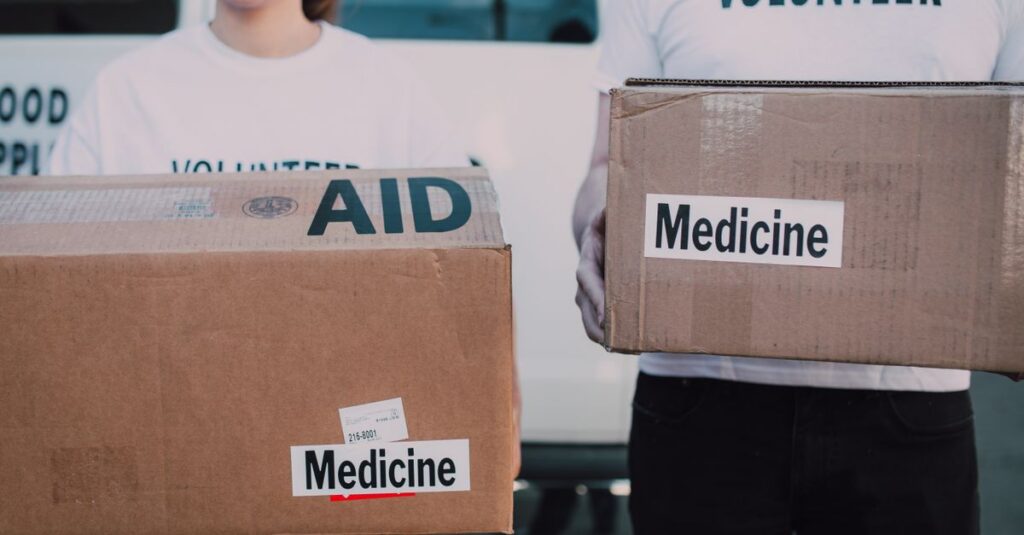
Volunteering during recovery helps you build meaningful connections, develop a sense of purpose, and reinforce your commitment to sobriety while contributing positively to your community. Common ways to give back include serving meals at shelters, mentoring others in recovery, participating in community clean-up projects, volunteering at animal shelters, supporting local nonprofits, and sharing your story at schools or recovery events.
At Eudaimonia Recovery Homes, we encourage residents in our Austin, Houston, San Antonio, Colorado Springs, Philadelphia, and Baton Rouge locations to engage in service as part of their recovery journey. Volunteering strengthens the accountability, structure, and community connection that are essential to maintaining long-term sobriety in a sober living environment.
Why Volunteering Matters in Recovery
Giving back to the community is more than a feel-good activity—it’s a powerful tool for personal growth and sustained sobriety. Research shows that volunteering reduces feelings of isolation, improves mental health, and provides a sense of accomplishment that is critical during early recovery.
When you volunteer, you shift your focus outward. Instead of dwelling on past mistakes or current challenges, you contribute to something larger than yourself. This mindset shift is essential for building self-esteem and reinforcing the positive identity you’re creating in recovery.
Service also connects you with others who share your values. Whether you’re working alongside fellow volunteers or helping those in need, these interactions build the social support network that is vital to avoiding relapse. At Eudaimonia Recovery Homes, we emphasize community and connection—volunteering is a natural extension of the peer support and accountability you experience in sober living.
6 Meaningful Ways to Volunteer During Recovery
1. Serve Meals at Shelters or Food Banks
Local shelters and food banks always need volunteers to prepare and serve meals, sort donations, and assist with distribution. This type of service is accessible, requires no special skills, and provides immediate, tangible impact.
Serving meals allows you to interact with people from all walks of life, many of whom are facing their own struggles. This experience fosters empathy and gratitude—two qualities that strengthen recovery. Many residents at Eudaimonia Recovery Homes in Austin, Houston, and San Antonio participate in regular meal service at local organizations.
2. Mentor Others in Recovery
Once you’ve achieved some stability in your own recovery, consider mentoring newcomers. Sponsorship through 12-step programs, peer recovery coaching, or informal mentoring at sober living homes can be incredibly rewarding.
Sharing your experience, strength, and hope with someone who is just starting their journey reinforces your own commitment to sobriety. It also provides accountability—when you’re responsible for supporting someone else, you’re more motivated to stay on track yourself.
At Eudaimonia Recovery Homes, we foster a culture of peer support. Residents often mentor one another, and we encourage those with longer sobriety to give back by guiding newer residents through the challenges of early recovery.
3. Participate in Community Clean-Up Projects
Environmental service projects like park clean-ups, trail maintenance, and neighborhood beautification efforts are excellent ways to give back while staying active. These projects often involve group participation, which builds camaraderie and teamwork skills.
Physical activity and time outdoors are beneficial for mental health, reducing anxiety and depression—common challenges in recovery. Cities like Austin, Colorado Springs, and Philadelphia have active volunteer networks organizing regular clean-up events that are perfect for individuals in sober living.
4. Volunteer at Animal Shelters
Animal shelters need volunteers to walk dogs, socialize cats, clean facilities, and assist with adoption events. Working with animals provides comfort, companionship, and a sense of responsibility without the pressure of human interaction.
Many people in recovery find that spending time with animals reduces stress and provides unconditional positive reinforcement. If you’re an animal lover, this type of volunteering can be particularly therapeutic and fulfilling.
5. Support Local Nonprofits and Community Organizations
Nearly every community has nonprofits addressing issues like homelessness, literacy, youth development, and health care access. These organizations need volunteers for administrative tasks, event planning, fundraising, tutoring, and direct service.
Choose a cause that resonates with you personally. If you’re passionate about education, volunteer at a literacy program. If you care about housing, work with a homeless outreach organization. Aligning your service with your values makes the experience more meaningful and sustainable.
Residents at Eudaimonia Recovery Homes in Houston, San Antonio, and Baton Rouge have partnered with local nonprofits to create ongoing service opportunities that fit their schedules and interests.
6. Share Your Story at Schools or Recovery Events
Public speaking about your recovery journey can inspire others and raise awareness about addiction and mental health. Schools, community centers, and recovery organizations often seek speakers to share personal stories at prevention programs, awareness events, and recovery celebrations.
Telling your story reinforces your own recovery narrative and helps you process your experiences. It also combats stigma and shows others that recovery is possible. If public speaking feels intimidating, start small—share at a local recovery meeting or sober living community before moving to larger audiences.
How Volunteering Fits Into Sober Living at Eudaimonia Recovery Homes
At Eudaimonia Recovery Homes, we believe that recovery is about more than abstaining from substances—it’s about building a life worth living. Volunteering is a key part of that process. Our structured sober living environments in Austin, Houston, San Antonio, Colorado Springs, Philadelphia, and Baton Rouge provide the stability and support you need to engage meaningfully in your community.
Our homes encourage residents to participate in service as part of their recovery plan. Whether it’s through organized group volunteer activities or individual pursuits, we provide the flexibility and encouragement to make service a regular part of your routine.
Service also aligns with the accountability and personal responsibility that are central to sober living. When you commit to showing up for others, you reinforce the habits and mindset that support long-term sobriety.
Getting Started: Practical Tips for Volunteering in Recovery
Start small. You don’t need to commit to a large, ongoing role right away. Try a one-time event or a few hours per month to see what feels right.
Choose activities that align with your interests. Volunteering should be rewarding, not a chore. Pick something you genuinely care about.
Set boundaries. Don’t overcommit. Balance service with your recovery priorities, including meetings, therapy, work, and self-care.
Involve your sober living community. Volunteering with housemates or peers from Eudaimonia Recovery Homes creates shared experiences and strengthens your support network.
Reflect on your experience. After volunteering, take time to journal or share with your sponsor or therapist. Reflecting on how service impacts your recovery deepens the benefit.
Ready to take the next step?
Eudaimonia Recovery Homes provides structured sober living and recovery support in Philadelphia, PA. Call (215) 770-0350 to speak with our team today.