
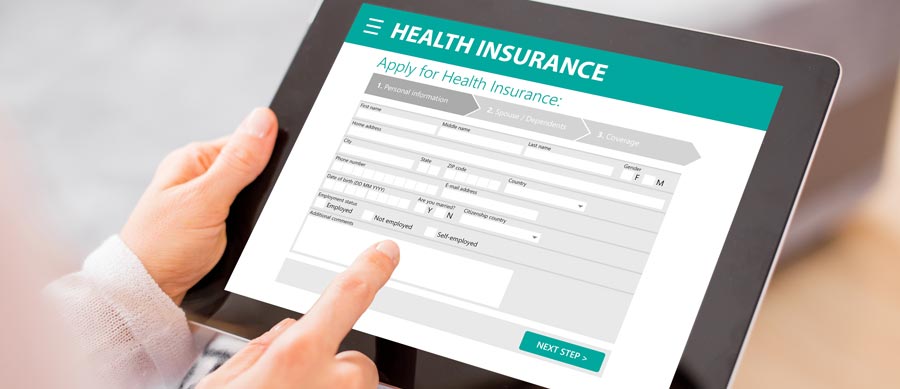

Most health insurance policies provide coverage for intensive outpatient programs (IOP), but your individual coverage will vary depending on your insurance policy. Additionally, not all insurance policies offer complete coverage so you may have some out-of-pocket costs. An admissions representative at the treatment center of your choice can help you verify your benefits and maximize them to the fullest.
What is IOP?
IOP stands for “intensive outpatient program,” which is a type of treatment program that addresses addiction and other behavioral issues. Much like residential rehab, IOP provides intensive recovery programming but it allows for more flexibility, as clients can live at home or in a sober living house while they complete their program.
IOP typically consists of six to eight weeks of outpatient treatment sessions that may occur in the morning, afternoon, evening, or on weekends. Each treatment session takes place in a group setting and is about three hours long.
Similar to an inpatient rehab program, IOP treatment focuses on chemical dependency education, relapse prevention and management, coping skills, and family therapy.
How to Pay for Outpatient Rehab
One of the primary considerations for any addiction treatment program is cost. Many people choose to use their health insurance benefits to cover some of the cost of outpatient drug rehab programs like IOP. Although self-pay options are also available, using your health insurance benefits can greatly reduce your out-of-pocket costs.
Most health insurance plans cover a variety of addiction treatment services, including intensive outpatient programs. However, depending on your insurance policy, the degree of coverage may vary.
For example, your health insurance policy may have a lower monthly premium but only cover 60 or 70 percent of your treatment costs. On the other hand, you may pay a higher monthly premium, but your insurance may cover the majority of the cost of treatment. Your insurance provider may also require that you meet your annual deductible before your benefits may be applied to the cost of treatment.
Although health insurance benefits can help addicted individuals pay for treatment, many people are under-insured or uninsured. Fortunately, there are alternative ways to pay for outpatient treatment.
Some addiction treatment centers may offer self-pay options like monthly payment plans or even scholarships. Other ways to pay for outpatient treatment include:
- HSA funds
- Privately financed healthcare loans
- Credit cards
- Crowdfunding
If you don’t have health insurance, an admissions representative from the treatment center of your choice should be able to provide you with alternative payment options.
How Much Does an Intensive Outpatient Program Cost?
The cost of outpatient drug rehab varies, depending on the type of treatment services offered, the location of the treatment center, the amenities, and the duration of the program. Generally speaking, an exclusive intensive outpatient with luxury amenities and private ranch location will cost more than a program that offers general treatment services in a comfortable but less desirable location.
Although you may be swayed by the luxurious promises of a swanky facility or the cost-cutting advantages of another outpatient program, what’s most important is that your treatment needs are adequately met.
Verifying Your Insurance Coverage
If you have health insurance and you’d like to use it to pay for IOP, the first step is determining if your benefits cover IOP and to what extent. Although an admissions representative at a treatment center can verify your insurance for you, if you’d like to do it yourself before contacting any treatment providers, you may. All you have to do is call your insurance provider directly.
Since the term “outpatient treatment” can incorporate a variety of different types of treatment methods and approaches, it’s best to talk to your insurance provider and ask very clear and direct questions to verify your coverage for IOP. If you’re not sure what questions to ask, here are some suggestions:
- Does my health insurance policy cover intensive outpatient programs for addiction?
- What other types of addiction treatment services does my health insurance cover?
- How many days of treatment will my insurance cover?
- Do I have any prescription drug benefits during treatment?
- Do I need to enroll in an in-network center in order to use my benefits?
- Do I have a co-payment?
- What is my deductible?
If you choose to verify your health insurance benefits with an addiction treatment center, you will need to provide the following information:
- The company name of your health insurance provider
- Your member ID number (found on your insurance card)
- Your date of birth
- Your health insurance provider’s phone number
Start Outpatient Rehab Treatment Today
If you’re ready to start your addiction treatment now, the admissions staff at Eudaimonia can help. We’re here to help you determine what type of treatment is right for you, whether that’s IOP, residential rehab, or sober living. We can also verify your health insurance benefits over the phone in just a matter of minutes with a free, confidential, and easy process.
Whether it’s your first time in treatment or you’ve relapsed several times, it’s never too late to get the help you need to recover. Call (512) 363-5914 to speak with a member of the Eudaimonia admissions team today.


