
Where to Move After Sober Living in Houston
Finishing a sober home is a milestone. The next move is about stability and support. In Houston, most people step into one of three paths

Finishing a sober home is a milestone. The next move is about stability and support. In Houston, most people step into one of three paths

Starting a nonprofit sober living home for men can fill a real gap in Houston’s recovery system. This guide explains the model, the rules you must know in Houston and Texas, how to pair with intensive outpatient care (IOP), and where “free” or low‑cost options fit.

“Group homes” is a broad label. In Austin, it can include recovery residences for substance use, Oxford Houses (peer‑run sober homes), and other supportive living arrangements. Texas describes recovery residences as peer‑supported, community‑connected housing—not clinical treatment—designed to support recovery and independent living.

If you need emergency housing help in Austin, begin with the City’s new Open Now platform. It’s mobile‑friendly, location‑aware, and lists real‑time availability for cooling centers, shelters, and other services.

If you’re new to recovery (or returning), finding an Alcoholics Anonymous (AA) sponsor in Austin can feel uncertain. This guide explains what a sponsor is, how to meet one locally, and where sober living Austin programs fit in—plus sober living Austin cost ranges and snapshots of Second Chances Sober Living Austin and Eudaimonia Sober Living Austin.
This guide summarizes what leading Dallas and Texas providers publicly emphasize about men’s sober living and outpatient care. It’s informational, not medical advice.

Choosing a sober living home in Allen, Texas is easier when you know what to look for. This guide explains how men outpatient sober living works, how to pair housing with intensive outpatient in Allen, Texas, what to ask each provider, and how San Antonio men’s options (including the often‑searched “house of the rising sun sober living san antonio”) compare. The tone here is neutral and practical so you can make a confident decision.

Finding a good sober living home in Plano, Texas comes down to three things: fit, structure, and support. For men who also need therapy while returning to school or work, pairing sober housing with an intensive outpatient (IOP) program often works well. Below, you’ll find a clear summary of what the current top search results emphasize, plus a step‑by‑step guide to choosing men outpatient sober living in Plano, Texas.

A sober living home is a drug‑ and alcohol‑free residence that offers structure, peer accountability, and practical support while people build stability after treatment. These homes are not hospitals or rehabs. Instead, they bridge intensive care and fully independent living, with house rules, shared responsibilities, and community routines that reinforce sobriety. Programs often include curfews, chore schedules, drug and alcohol testing, and expectations to work, volunteer, or attend school.
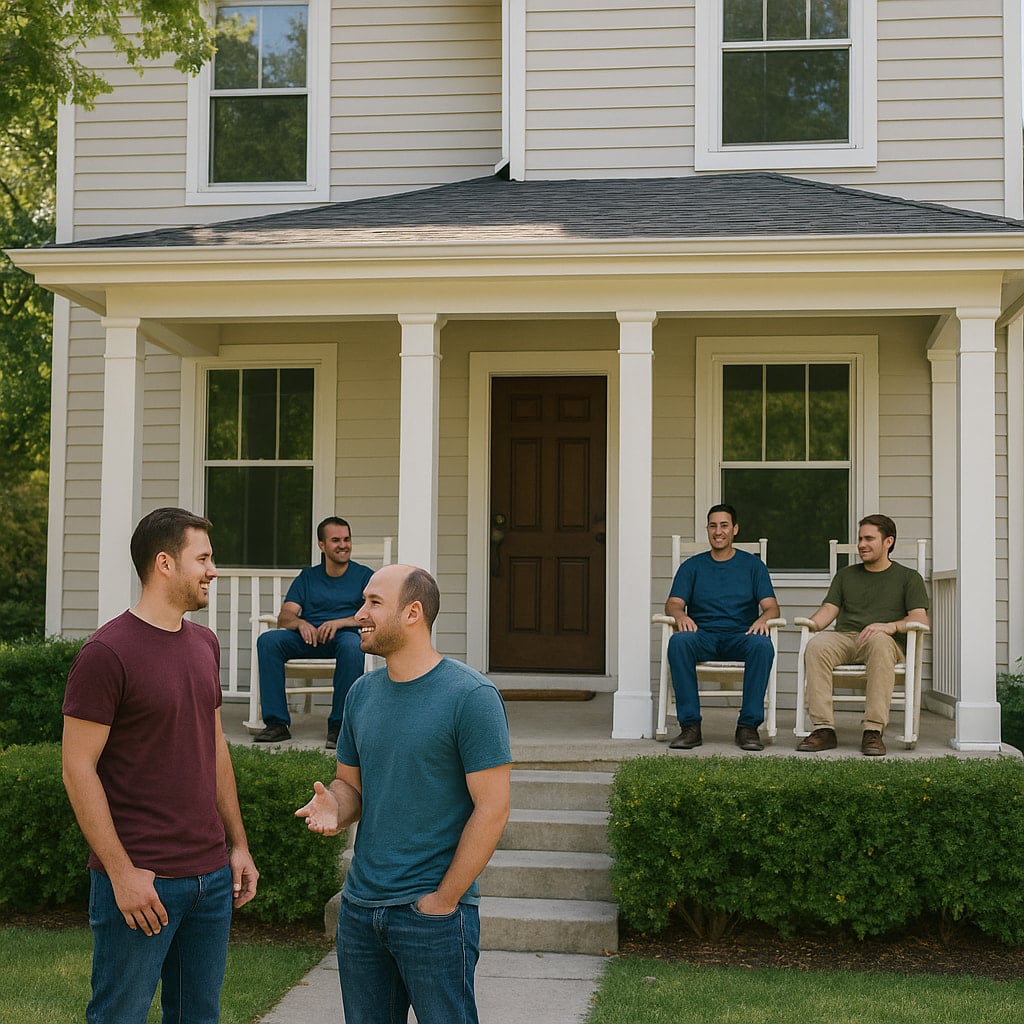
If you’re weighing men’s sober living in Austin, the big question is time: How long can you stay? In practice, most men live in a sober living home for several months, and some remain a year or longer. Certain peer‑run models place no formal cap as long as you follow house rules and pay your share. Your timeline depends on the house type, your recovery plan, and how ready you are for independent living.

Most Austin sober living homes operate month‑to‑month with no fixed maximum stay. Typical stays range 3–12 months, and research links at least six months in sober living with stronger outcomes. Halfway houses are different—they often impose time limits.
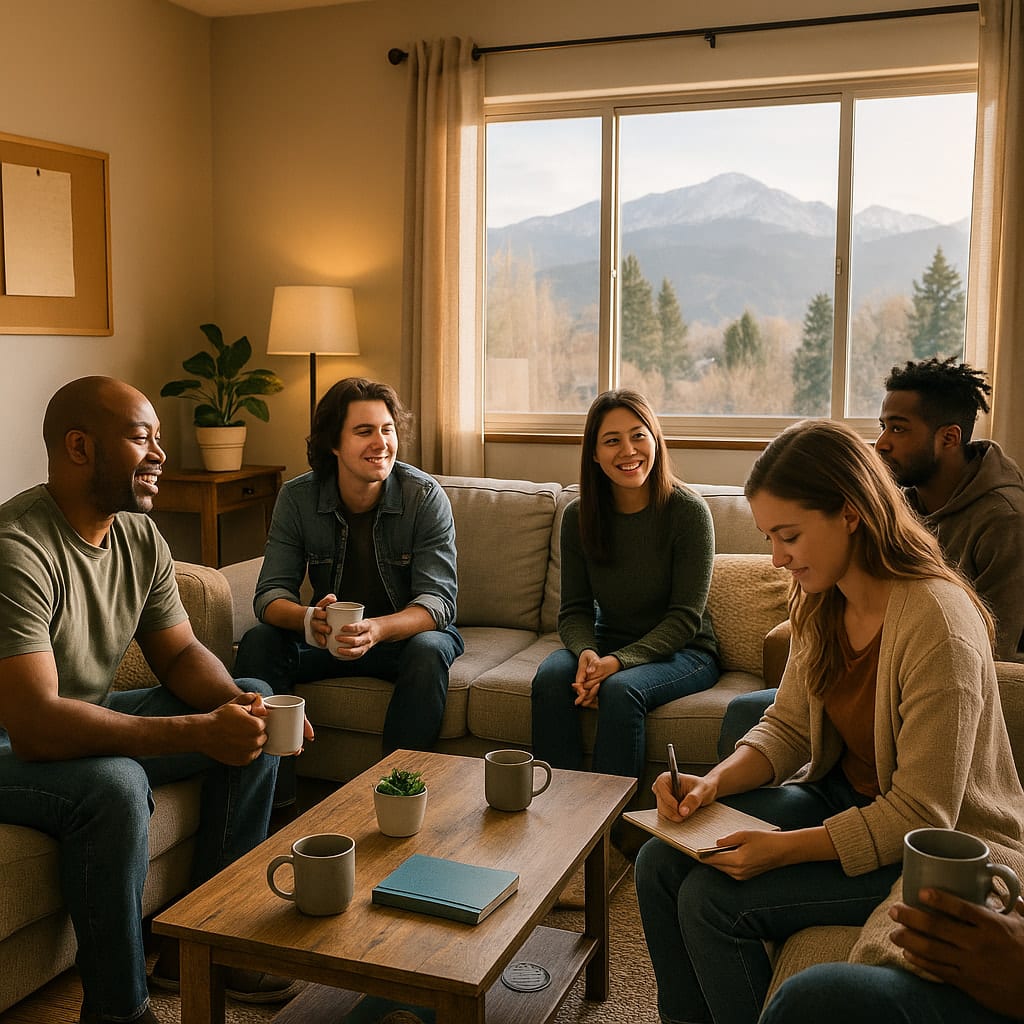
Can a drug addict fully recover without going to rehab? This guide looks at what the research says and how men’s sober living in Houston can support recovery outside of inpatient treatment.
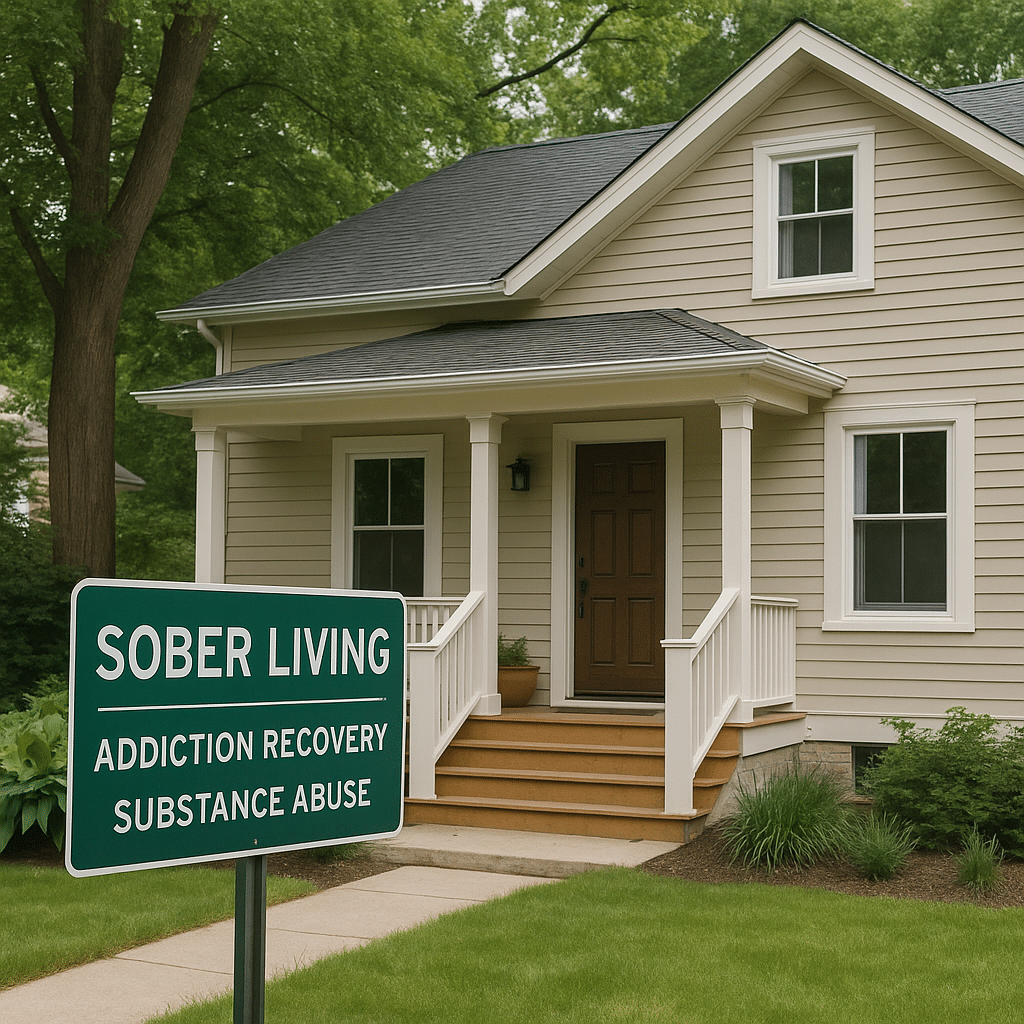
Austin has a strong recovery community and many places to live substance‑free. This guide explains how sober living works in Central Texas, what it costs, how to compare houses, and the steps to get started. The aim is simple: help you decide whether a recovery home in Austin fits your stage of addiction recovery.

Sober living is a bridge between intensive treatment and independent life. The length of that bridge is not fixed. Programs set house rules, but the stay should reflect a resident’s progress, stability, and goals. A neutral look at top results on this topic shows a consistent pattern: most sources describe minimums of about three months, common ranges of 6–12 months, and evidence that longer stays improve outcomes.

Can a drug addict fully recover without going to rehab? This guide looks at what the research says and how men’s sober living in Houston can support recovery outside of inpatient treatment.