
Women’s Sober Living in Colorado Springs: Safe & Structured
Women’s sober living is housing—not treatment—that provides a safe, alcohol‑ and drug‑free home with structure and peer support so residents can practice daily routines after rehab.

Women’s sober living is housing—not treatment—that provides a safe, alcohol‑ and drug‑free home with structure and peer support so residents can practice daily routines after rehab.

Colorado Springs offers a recovery‑friendly community with access to meetings, nature, work, and school—everything you need to rebuild routines. Sober living in Colorado Springs provides a safe, structured home base where residents practice accountability, attend meetings, and ease back into independence after treatment.

When you compare halfway houses and sober living in Houston, the main question is which setting matches your parole status, recovery plan, and timeline. Understanding how the Texas Department of Criminal Justice (TDCJ) places people into Residential Reentry Centers (halfway houses) and how structured sober living programs operate will help you choose the best path.

Sober living is housing—not treatment—that provides a safe, substance‑free home with structure, accountability, and peer support while you rebuild daily routines after rehab

Finding the right fit after treatment is about more than a bed; it’s about safety, structure, and a peer group that matches your needs. Women often benefit from environments with added privacy, trauma‑informed routines, and consistent accountability, while men may prefer houses that emphasize daily structure, employment readiness, and peer leadership. If you’re comparing options, start by shortlisting women’s sober living in Houston and men’s sober living in Houston so you can review rules, staffing, and availability side by side. Quality recovery residences follow clear house standards, regular testing, and good‑neighbor practices; using NARR standards for recovery residences as a benchmark can simplify your choices.

Choosing the right halfway house in Houston starts with knowing what each option provides, whether you actually need a TDCJ‑approved facility, and how sober living compares. This guide explains your choices, outlines what daily life looks like, and shows how Eudaimonia Recovery Homes supports men with structure, accountability, and community.

Men’s sober living in Austin, Texas gives you a safe, structured place to rebuild daily routines, protect sobriety, and regain confidence. This guide explains how Eudaimonia’s men’s homes work, what is included, how pricing and policies operate, and why Austin is an effective setting for recovery. You will also find guidance on the right length of stay and simple next steps to get started.

A sober living home in Austin gives you structure, stability, and community as you step down from treatment into everyday life. This guide explains what sober living is, why the transition matters, how Eudaimonia Recovery Homes supports men in Austin, how sober living differs from halfway houses, what the evidence shows, and how to get started.

Finding sober living in Philadelphia is easier when you know what to look for, how it differs from halfway houses, and where to get help fast. This guide explains the essentials for men in recovery and shows how Eudaimonia keeps bed availability, structure, and support front and center.

Goal of this guide: explain typical length of stay, how halfway houses differ from sober living homes, and what to know if you’re looking for women sober living in Austin—with a focus on Eudaimonia Recovery Homes.

If you or a loved one is considering transitional housing in Austin, it helps to know how halfway houses compare with sober living homes, what daily life looks like, and where women sober living Austin options fit in—especially at Eudaimonia Recovery Homes. The guide below explains the differences, outlines daily routines, and highlights what to expect at Eudaimonia Recovery Homes sober living Austin for women.

Most halfway house placements last three to twelve months. In the federal system, prerelease placement in a Residential Reentry Center (RRC) can be approved for up to 12 months, with the actual time set by need, risk, and program resources.
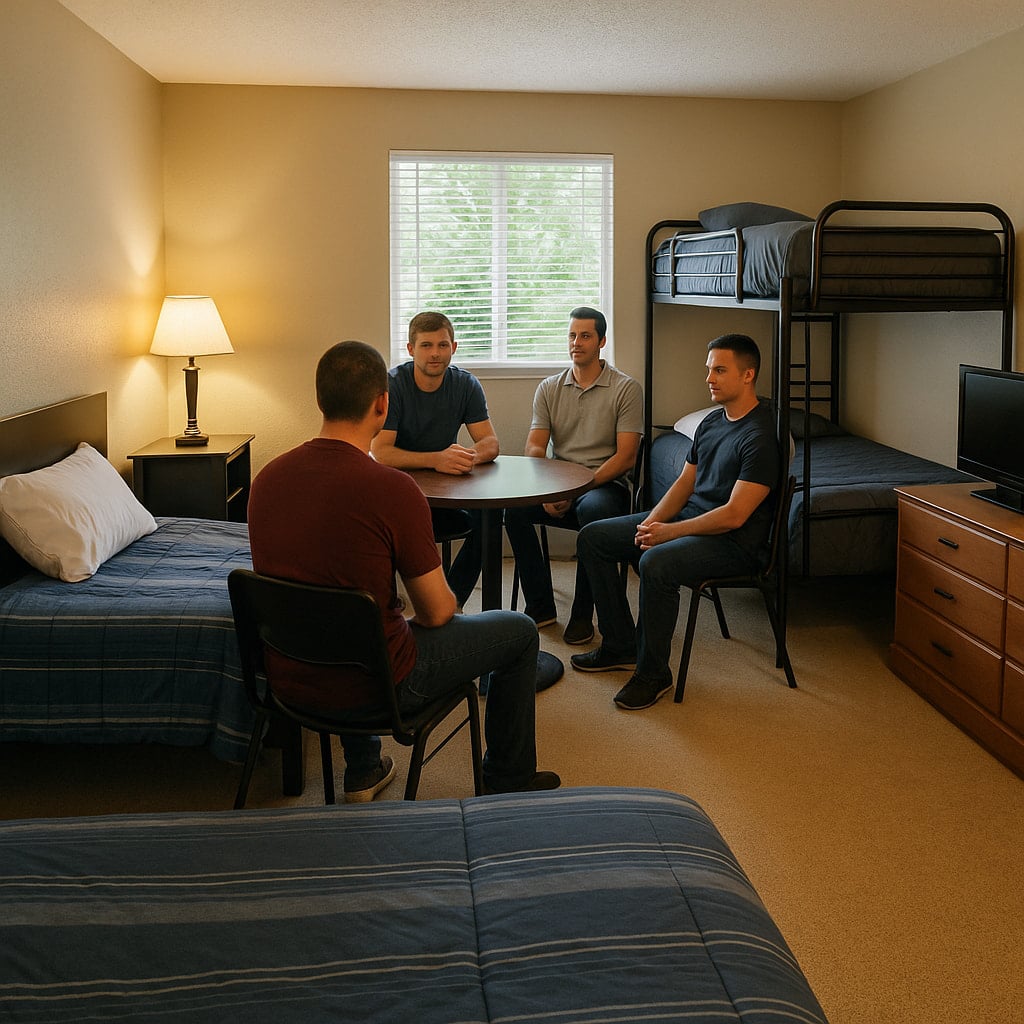
Both settings provide substance‑free housing and accountability during the transition back to everyday life. Halfway houses often serve people stepping down from institutions (corrections or inpatient programs), may be state‑run or state‑licensed, and commonly have time‑limited stays. Sober living homes are usually privately operated residences with peer support, require sobriety and participation in house routines, and typically allow longer or open‑ended stays without onsite clinical programming.
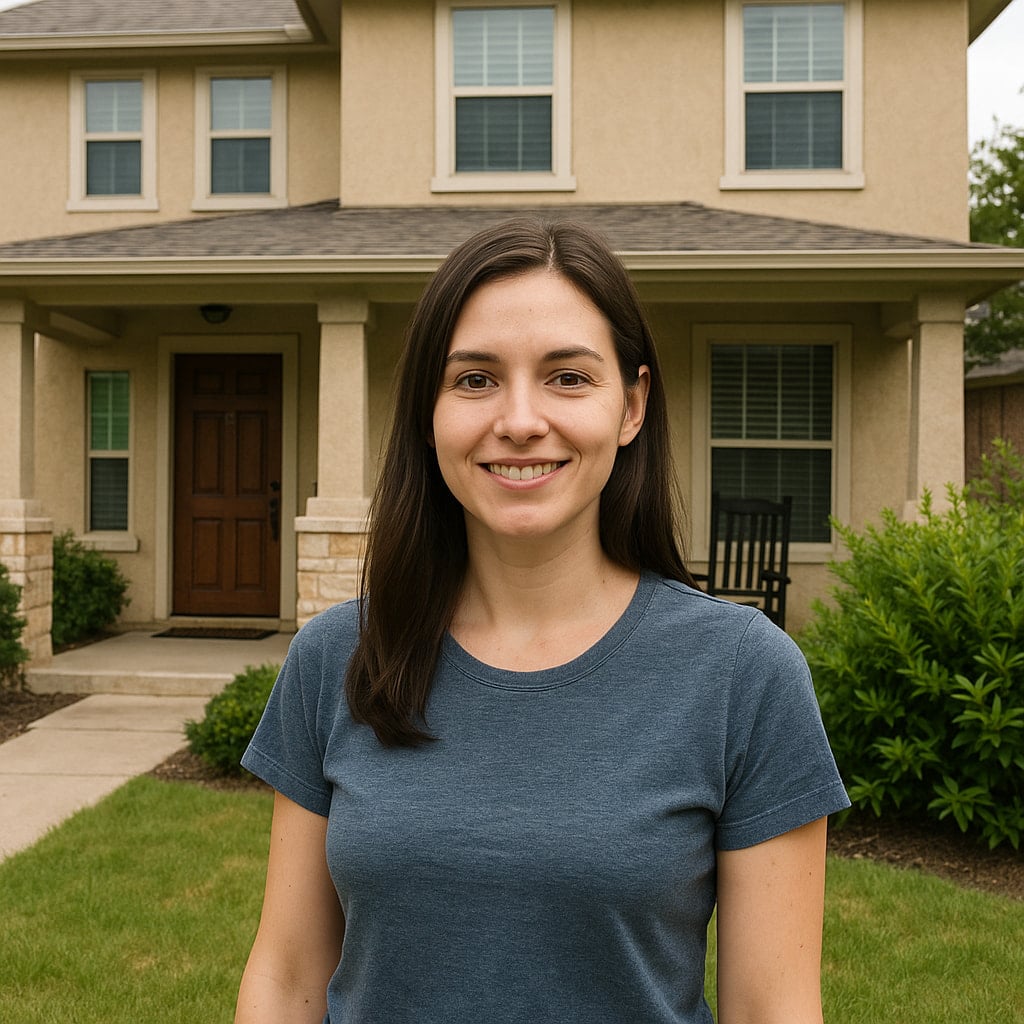
Most people in sober living Austin stay 3–12 months, with many programs recommending at least 90 days. Some peer‑run residences (e.g., Oxford House–style homes) have no fixed maximum if you follow the rules and pay your share. Women’s homes in Austin generally allow you to stay as long as you need, guided by progress and program expectations.

He had a job, a place to sleep, and a secret that kept growing. When the drinking turned to pills, the losses stacked up—work warnings, a broken lease, strained family calls. After detox, “E.”* didn’t feel ready for home. He chose a men sober living community in Houston and enrolled in intensive outpatient care (IOP). The house gave him curfews, chores, and peers who noticed if he skipped meetings. IOP gave him a schedule, group work, and a counselor who named the patterns he couldn’t see. Six months later, E. still checked in with his sponsor and paid his share of the bills. Recovery wasn’t quick. It was repeated, ordinary effort in a city big enough to start over.