Key Takeaways
- Clean and sober housing provides structured, drug- and alcohol-free living environments that support people as they transition from treatment into everyday life.
- Austin’s recovery community and access to meetings, jobs, schools, and services make it a strong location for maintaining long-term sober living.
- Sober living amenities in Austin typically include fully furnished rooms, shared kitchens, Wi‑Fi, laundry, and staff or house managers to support accountability.
- Daily structure and rules such as curfews, meeting requirements, chores, and testing help residents build consistent routines and stay focused on recovery.
- Ideal sober living residents are often people leaving detox or rehab or those whose home environment does not support staying clean and sober.
- Sober living costs usually function like shared rent with utilities included, while clinical services like outpatient treatment are billed separately.
- Choosing the right home means looking at rules, staffing, location, cost, and your own support needs to find a good long-term recovery fit.
- Eudaimonia Recovery Homes offer clean and sober housing in Austin with structured support, peer community, and practical amenities to reinforce recovery.
Clean and sober housing—often called sober living or recovery residences—gives people in early recovery a stable home while they rebuild everyday life.
In Austin, these homes combine structure, peer support, and practical amenities so residents can focus on staying drug‑ and alcohol‑free.


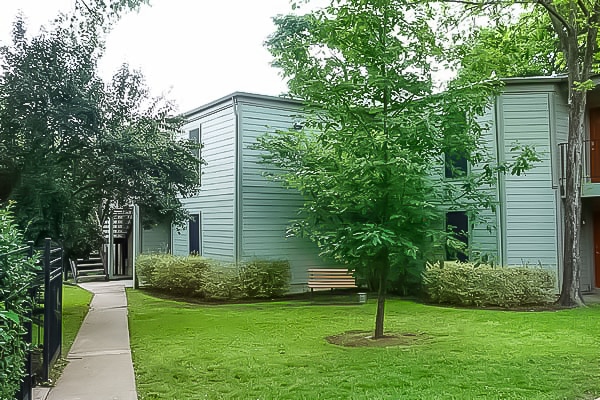


Across the city, sober living communities range from apartment-style complexes to smaller homes in residential neighborhoods. Most aim to provide clean and sober living environments backed by house rules, staff oversight, and access to recovery resources, rather than formal inpatient treatment
What Is Clean and Sober Housing?
Clean and sober housing is a drug- and alcohol-free residence where people live together under shared rules that support recovery. To see how this works in practice, explore our overview of sober living homes and the support services that come with them. Homes usually require sobriety at move‑in, regular testing, meeting attendance, and participation in household responsibilities. Research on sober living houses shows that residents often see improvements in substance use, employment, and legal outcomes when they stay engaged in the program.
Experts describe these homes as a type of recovery residence, a non-medical, substance-free setting that helps people move from structured treatment back into day-to-day life.
Clean and Sober Living vs. Treatment Programs
Sober living homes are not hospitals or residential treatment centers. They usually do not provide on‑site medical detox or intensive therapy. Instead, they focus on:
- A safe, stable place to live
- Peer accountability and routine
- Supportive staff and house managers
Many Austin homes work alongside an intensive outpatient program (IOP) or other counseling providers, so residents can attend therapy during the day and return to a structured, sober environment at night.
Why Austin Is a Hub for Clean and Sober Living
Strong Recovery Community
Austin has an active network of 12‑step and other peer‑support meetings, as well as recovery‑focused events and organizations. Sober living homes in the area often build their schedules around this community—requiring or encouraging regular attendance and participation.
Austin has an active network of 12-step and other peer-support meetings, as well as recovery-focused events and organizations. If you want a closer look at specific neighborhoods, amenities, and housing options, visit our page on sober living in Austin, TX.
Studies of sober living houses suggest that involvement in peer‑support groups is linked with better outcomes, including fewer months of substance use. In a city where meetings and sober activities are widely available, residents can practice clean and sober living without feeling isolated.
Access to Services, Jobs, and Education
Many Austin sober living homes are located in central or north‑central neighborhoods near bus routes, job centers, colleges, and outpatient treatment clinics.
This makes it easier to:
- Commute to work or school without a car
- Attend IOP or therapy appointments
- Reach grocery stores, gyms, and community resources
A setting like this supports the practical side of recovery—earning income, building a resume, or returning to school—while maintaining a clean and sober lifestyle.
Key Amenities in Austin Sober Living Homes
While every home is different, several amenities show up again and again in Austin’s sober living market.
Home Features and Furnishings
Sober living residences in Austin commonly offer:
- Fully furnished bedrooms and shared living spaces
- Wi‑Fi, cable, and flat‑screen TVs
- Washers and dryers
- Full kitchens with standard appliances and cookware
- Linens, basic cleaning supplies, and household essentials
Some communities also include on‑site perks such as a pool, fitness center, media room, or coffee lounge, depending on the property.
Staff, Structure, and Support
Clean and sober housing is defined as much by structure as by furniture. Many Austin programs provide:
- On‑site house managers or 24/7 staff
- Written house rules and phase‑based programs
- Regular drug and alcohol testing
- Required recovery meetings and house meetings
- Access to recovery coaches or peer specialists
These features help residents stay accountable, navigate early triggers, and build consistent routines.
Location and Transportation
Location plays a large role in day‑to‑day life. Austin sober living homes are often chosen for:
- Proximity to recovery meetings and IOP clinics
- Access to public transportation
- Walkability to shops, parks, and employers
For residents without cars, being near bus routes or light rail can be crucial for maintaining work, school, and appointments while living in a sober environment.
Eudaimonia's Success Stories – Real People, Real Freedom
EXCELLENTTrustindex verifies that the original source of the review is Google. Great staff, Eddie the property director is the bees knees! Eddie tells you like it is but shows empathy and compassion, while remaining form and kind!Posted onTrustindex verifies that the original source of the review is Google. Great people in a great placePosted onTrustindex verifies that the original source of the review is Google. Community of fellowship and directed house managers, firm,loving, and genuinely want you to succeed. Nice apts. As well laundry room free, pool, game room. Great price for recoveryPosted onTrustindex verifies that the original source of the review is Google. I am so grateful for Eudaimonia,it has changed my life for the best. I fall down but WE get up.
Daily Life in Clean and Sober Housing
House Rules and Expectations
Most homes share a similar foundation of rules designed to maintain a clean and sober environment:
- No alcohol or illicit drug use on or off property
- Curfews and quiet hours
- Mandatory house meetings and recovery meetings
- Chores and shared cleaning responsibilities
- Limits on guests and overnight stays
For a detailed breakdown of expectations in our homes, you can review our full sober living community rules before you apply.
Consequences for breaking rules vary, but the goal is to protect the community while supporting each person’s recovery.
The National Alliance for Recovery Residences standards emphasize abstinence, clear house rules, and peer accountability as core features of quality sober living environments.
Recovery Routines and Community
A typical day might involve going to work or school, checking in with a sponsor, attending a meeting, and spending time with housemates. Many homes incorporate life‑skills coaching such as budgeting, time management, or job search support.
Living with others who are also committed to clean and sober living can reduce isolation and provide practical encouragement—sharing rides, studying together, or simply cooking dinner in a substance‑free space.
Balancing Work, School, and Free Time
Residents are usually expected to work, attend classes, or volunteer for a set number of hours each week. Free time might include exploring Austin’s outdoor spaces, live music, or volunteer opportunities—without alcohol or drugs. The balance of structure and independence helps people transition toward fully independent housing.
Many residents also take part in our Support Employment Volunteering (SEV) program, which links sober living with job search help, volunteering, and relapse-prevention support.
Who Benefits Most from Clean and Sober Living?
After Detox or Rehab
Clean and sober housing is especially helpful for people who have completed detox, residential treatment, or an intensive outpatient program and want a safer next step than returning directly to their old environment.
Homes provide time to practice coping skills, repair relationships, and rebuild routines while still having guardrails in place.
A mixed-methods study of structured sober living attached to an outpatient program found that people who chose this housing had longer stays in treatment and higher rates of satisfactory discharge than those who did not while receiving outpatient care.
When Home Is Not Supportive
Some people have housing where substances are present, where roommates still use, or where relationships are strained. In those situations, a neutral, recovery‑focused home can reduce daily triggers and conflict, making it easier to stay sober while working or going to school.
Specialized Groups and Needs
In Austin, many programs offer gender‑specific housing or focus on particular populations such as young adults or LGBTQ+ residents.
Choosing a home that matches your identity and comfort level can make it easier to connect with peers, share experiences, and feel safe in your living space.
Costs and Practical Considerations
Published ranges for Austin sober living often fall between about $550 and $1,800 per month, depending on the neighborhood, room type, and amenities.
Fees usually cover housing and utilities rather than clinical services. Intensive outpatient treatment, if used, is billed separately and may be partly covered by insurance.
Many programs include in the monthly cost:
- Furnishings and basic household items
- Wi‑Fi and cable
- Laundry facilities
- Access to shared spaces such as kitchens, living rooms, or outdoor areas
Residents are generally responsible for their own food, personal items, transportation, and any medical or therapy costs.
How to Choose Clean and Sober Housing in Austin
Sober housing is most effective when it matches the level of support you need. Some people benefit from a highly structured environment with frequent staff contact, while others prefer more independence as long as the home stays clean and sober.
Many individuals move through a full continuum of care—detox at a facility such as Briarwood Detox Center, followed by residential or outpatient treatment at programs like Nova Recovery Center, then step down into sober living to maintain progress.
When comparing homes, it can help to ask:
- What are the house rules, and how are they enforced?
- How often are drug and alcohol tests done?
- Is staff on site, and what training do they have?
- Are homes accredited or aligned with recovery‑residence standards?
- What amenities are included in the monthly fee?
- How does the program support employment, education, and long‑term housing planning?
Taking a tour, talking with current residents (when allowed), and reviewing written policies can give a clearer picture of whether a home supports the kind of clean and sober living you are looking for.
How Eudaimonia Recovery Homes Supports Clean and Sober Housing in Austin
Eudaimonia Recovery Homes can support people who are seeking clean and sober housing in Austin by offering structured, recovery‑focused residences throughout the city. Each home provides a drug‑ and alcohol‑free environment with clear house expectations, which helps residents protect their sobriety while they adjust to daily life.
On‑site managers and staff are available to monitor safety, organize regular testing, and respond to concerns, so residents do not have to manage early recovery alone. The homes are fully furnished and include practical amenities such as Wi‑Fi, shared kitchens, and laundry areas, making it easier to focus on work, school, or outpatient treatment.
Eudaimonia also encourages participation in local recovery meetings and peer‑support activities, which can strengthen social connections and accountability. Many residents receive help building life skills such as budgeting, time management, and job readiness, supporting long‑term independence.
By combining stable housing, community support, and consistent structure, Eudaimonia Recovery Homes can be a useful next step for people transitioning from treatment or looking for a safer, more supportive place to live in Austin.
Other Sober Living Locations
Frequently Asked Questions About Sober Living in Austin, TX
What is clean and sober housing?
Clean and sober housing is a drug‑ and alcohol‑free residence where people in recovery live together under shared rules and expectations. These homes provide a structured, supportive environment with random testing and clear guidelines to help residents maintain sobriety while rebuilding daily routines.
How is clean and sober housing different from rehab or a treatment center?
Rehab or detox programs provide medical care and formal therapy on a short‑term basis, often with clinicians on site. Clean and sober living homes, by contrast, focus on ongoing housing, peer support, and accountability; they usually expect residents to attend outside treatment or counseling while living in a stable, substance‑free setting.
Who is a good candidate for clean and sober living in Austin?
These homes are well‑suited for people who have completed detox or a structured treatment program and want extra support before returning to fully independent living. A good candidate is ready to stay abstinent, participate in recovery activities, follow house rules, and live cooperatively with others.
How long can someone stay in a sober living home?
Length of stay depends on each person’s needs and progress, but many residents remain in clean and sober housing for six months to a year, and some stay longer. Most programs allow people to remain as long as they follow the rules and continue working toward their recovery goals.
How much does clean and sober housing usually cost?
Costs vary by city, neighborhood, room type, and amenities, but sober living fees often resemble moderate rent and typically include utilities and shared household services. For example, one national review found monthly fees ranging from a few hundred dollars to around $1,300 per month, with an average in the mid‑range of that spectrum.
What rules do clean and sober living homes normally have?
Common rules include complete abstinence from alcohol and drugs, regular drug and alcohol testing, curfews, mandatory house or recovery meetings, and participation in chores. These expectations are designed to protect all residents and create a consistent environment that supports clean and sober living.
Do sober living homes provide therapy or medical treatment?Do sober living homes provide therapy or medical treatment?
Most clean and sober housing programs are not licensed treatment centers and do not provide on‑site medical or psychiatric care. Instead, they encourage residents to attend outpatient treatment, counseling, or support groups in the community while using the home for structure, accountability, and everyday living.
Can I work or go to school while living in clean and sober housing?
Yes. Many programs expect residents to work, attend school, or volunteer for a set number of hours each week, because employment and education help build stability and independence. Sober living homes typically schedule curfews and meetings in ways that still allow a full work or school schedule.
What happens if someone relapses in a sober living home?
Relapse policies vary, but most homes have zero‑tolerance rules for alcohol and drug use on the property. A resident who relapses may be asked to leave or step back into a higher level of care, although staff often help connect them with detox or treatment resources rather than simply discharging them without support.
How do I choose the right clean and sober housing in Austin?
When comparing homes, it helps to look at location, cost, staffing, house rules, and the overall feel of the community. Experts suggest touring the property, asking detailed questions about expectations and fees, and talking with current residents when possible to make sure you feel safe, supported, and comfortable in the environment.
Are visitors allowed in clean and sober living homes?
Many sober living homes allow visitors during set hours, as long as guests follow house rules and do not bring substances onto the property. Overnight guests are usually not permitted, which helps protect everyone’s privacy and maintain a consistent, recovery‑focused atmosphere.
Do sober living homes accept insurance?
Rent for clean and sober housing is often paid out of pocket, similar to regular housing, and many programs do not bill insurance for room and board. However, residents may be able to use health insurance for separate outpatient treatment or counseling services that they attend while living in the home.