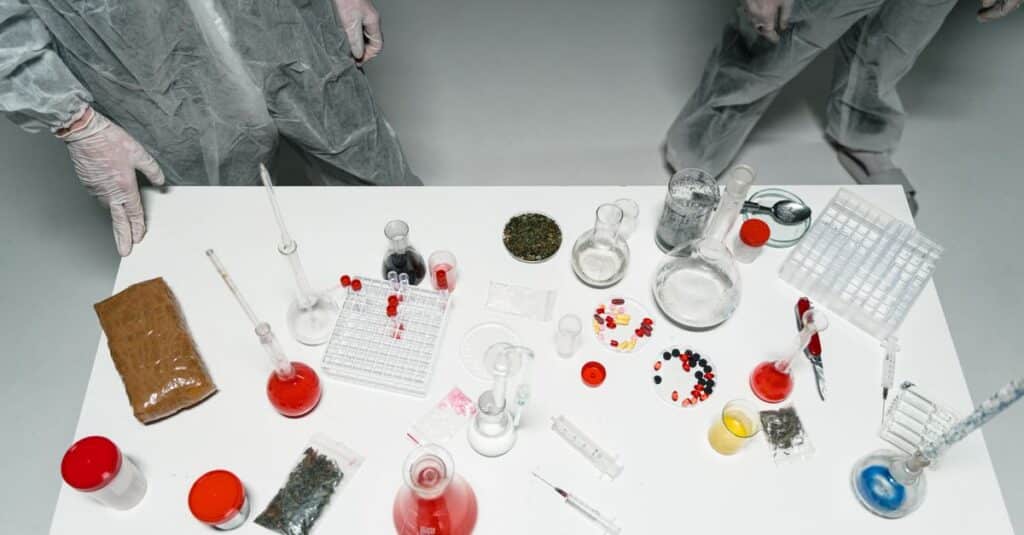

Sober living homes in Houston implement comprehensive drug testing and accountability measures to support lasting recovery. At Eudaimonia Recovery Homes, residents undergo regular drug screenings that test for common substances including opioids, marijuana, cocaine, amphetamines, methamphetamine, benzodiazepines, and alcohol metabolites. Testing typically happens through random urinalysis, scheduled screens, and reasonable-suspicion protocols, combined with structured house rules, curfews, mandatory meeting attendance, and peer accountability systems that create a supportive environment for long-term sobriety.
If you or someone you love needs more than detox, Eudaimonia Recovery Homes also provides recovery housing houston.
Eudaimonia Recovery Homes’s recovery housing program provides medically supervised, evidence-based care.
Why Drug Testing Matters in Houston Sober Living
Drug testing isn’t about mistrust—it’s about creating clarity and safety for everyone in the house. When you’re rebuilding your life after treatment or detox, knowing that everyone around you is committed to the same sobriety standards removes ambiguity and reduces relapse risk. Testing protocols protect the entire community by ensuring no one brings active substance use into shared living spaces.
In Houston’s recovery community, accountability structures help residents transition from intensive treatment back into independent living. The period between leaving rehab and fully reintegrating into daily life is vulnerable. Drug testing provides external structure while you’re still building internal motivation and coping skills. It’s a tool that supports your commitment, not a punishment.
Eudaimonia Recovery Homes uses testing as one component of a broader accountability framework. The goal is helping residents maintain the sobriety they worked hard to achieve, while learning to navigate real-world challenges in a supportive setting.
What Drug Testing Protocols Look Like at Sober Living Homes in Houston
Most Houston sober living homes, including Eudaimonia, use multi-panel urine drug screens as the primary testing method. Standard panels screen for five to twelve substances depending on the program’s protocols and the individual resident’s history. Some programs use broader panels for residents with polysubstance use backgrounds.
Testing schedules typically include three types of screens:
- Random testing: Unannounced screens conducted at varying intervals to ensure compliance between scheduled tests
- Scheduled testing: Regular, predictable screens (weekly, bi-weekly, or monthly) that residents know to expect
- Reasonable-suspicion testing: Immediate testing when staff or housemates observe behavioral changes or other indicators of potential use
At Eudaimonia’s Houston location, testing frequency is determined by each resident’s phase in the program and their individual recovery plan. New residents typically test more frequently during their first 30-60 days, with intervals lengthening as they demonstrate consistent sobriety and engagement.
What Substances Are Tested For in Houston Sober Living
Standard drug panels at sober living homes in Houston screen for the most commonly abused substances. A typical 10-panel test includes opioids (including heroin, morphine, and prescription painkillers), marijuana/THC, cocaine, amphetamines, methamphetamine, benzodiazepines, barbiturates, PCP, methadone, and propoxyphene.
Alcohol testing is equally important in sober living environments. Most programs test for ethyl glucuronide (EtG), a metabolite that remains detectable in urine for up to 80 hours after drinking—much longer than alcohol itself stays in your system. This extended detection window helps ensure residents aren’t drinking on weekends or during unsupervised time.
Some Houston sober living homes also test for synthetic drugs, kratom, or other emerging substances based on trends in the local recovery community. At Eudaimonia, testing panels are comprehensive enough to catch the substances most relevant to each resident’s recovery journey, including any drugs that were part of their substance use history.
Beyond Drug Tests: Daily Accountability Structures in Houston
Drug testing and accountability in sober living homes in Houston extends far beyond urine screens. The most effective accountability happens through daily structure, community expectations, and peer support. At Eudaimonia Recovery Homes, residents participate in multiple accountability measures that reinforce sobriety commitments.
House meetings create space for residents to check in with each other, discuss challenges, and celebrate milestones. These gatherings—typically held weekly—build connection and allow housemates to support one another through difficult moments. When everyone knows your goals and struggles, it’s harder to slip back into old patterns without someone noticing and reaching out.
Curfews provide structure that protects early recovery. Most Houston sober living homes enforce evening check-in times on weeknights and modified schedules on weekends. These aren’t arbitrary rules—they’re designed to keep residents safe during high-risk hours and ensure everyone gets adequate rest, which is crucial for physical and emotional stability.
Mandatory recovery meeting attendance is another cornerstone of accountability. Residents typically attend a minimum number of 12-step or alternative recovery meetings each week, providing proof of attendance through signatures or meeting verification. This requirement connects residents to the broader Houston recovery community and builds the support network they’ll need long-term.
What Happens When Someone Tests Positive at Eudaimonia Houston
Relapse happens, even in structured sober living environments. When a resident tests positive for drugs or alcohol at Eudaimonia’s Houston location, the response depends on several factors: whether it’s a first incident or repeated pattern, the substance involved, the resident’s honesty about the situation, and their willingness to take corrective action.
A first positive test typically doesn’t result in immediate discharge. Instead, staff work with the resident to understand what happened and what additional support might help. This might include increased testing frequency, additional meeting requirements, working more closely with a sponsor, or connecting with outpatient counseling resources.
Honesty matters enormously in these situations. Residents who self-report a relapse before testing positive—or who are transparent when confronted with results—demonstrate the kind of accountability that makes continued residency possible. Those who lie, manipulate tests, or show no willingness to address the relapse typically cannot remain in the house.
Repeated positive tests or unwillingness to engage with additional support usually leads to discharge. This isn’t punishment—it’s recognition that the resident may need a higher level of care than sober living can provide. In these cases, Eudaimonia staff can help connect residents with appropriate treatment resources, whether that’s returning to detox, entering residential rehab, or exploring intensive outpatient options.
Texas Regulations and Sober Living Standards in Houston
Texas does not have statewide licensure or regulation specific to sober living homes, which means standards vary significantly across providers. Unlike treatment facilities or detox centers, recovery residences operate with more flexibility in how they structure their programs—including drug testing policies.
This lack of regulation makes it essential to choose a sober living home with strong voluntary standards. Eudaimonia Recovery Homes maintains high accountability standards across all locations, including Houston, even though Texas law doesn’t mandate specific testing protocols. Our approach aligns with best practices recommended by national recovery housing organizations.
The absence of state oversight means residents should ask detailed questions before moving into any Houston sober living home: How often does testing occur? What substances are screened? What happens if you test positive? Are tests observed or unobserved? What external accountability measures exist beyond testing?
Privacy, Dignity, and Drug Testing in Recovery Housing
Drug testing in sober living walks a careful line between necessary accountability and respect for residents’ dignity. At Eudaimonia’s Houston location, testing procedures balance thorough screening with privacy considerations. Tests are typically observed (someone present to ensure sample validity) because unobserved testing creates opportunities for tampering—but observation is conducted professionally and respectfully.
Results are kept confidential within the house management team. While residents may choose to discuss their own testing with housemates, staff do not broadcast results or create public shame around the testing process. The goal is accountability, not humiliation.
Some residents initially resist regular testing, feeling it’s invasive or indicates lack of trust. That’s understandable. But most come to appreciate testing as a tool that supports their goals. When temptation arises—and it will—knowing you’ll be tested provides a concrete reason to pause and reach out for support instead of using. Testing becomes part of your external accountability structure while you strengthen internal motivation.
How Peer Accountability Strengthens Testing Protocols
The most powerful accountability in Houston sober living doesn’t come from urine cups—it comes from relationships with your housemates. At Eudaimonia Recovery Homes, peer accountability creates a culture where sobriety is the norm and residents genuinely care about each other’s success.
When you live with people who understand addiction firsthand, they notice subtle changes that might indicate struggle: sleeping more or less than usual, isolating from house activities, increased irritability, or skipping meetings. These behavioral indicators often appear before someone uses—and caring housemates can intervene with support before relapse happens.
Peer accountability also means celebrating wins together. Hitting 30 days, 90 days, or a year sober matters more when people who truly understand that achievement witness it. The community becomes invested in each member’s success, creating positive social pressure that reinforces recovery commitments.
Drug testing provides objective verification, but peer relationships provide daily support, encouragement during tough moments, and celebration during victories. Together, these accountability measures create an environment where long-term sobriety becomes possible—even for people who struggled to stay sober on their own.
Preparing for Life After Structured Accountability
One question residents ask about drug testing in sober living: “Will I always need this level of accountability?” The answer is individual. Some people thrive with ongoing external structure—continuing with regular sponsor check-ins, recovery meetings, or even voluntary testing long after leaving sober living. Others develop sufficient internal motivation and coping skills that formal accountability becomes less necessary.
Eudaimonia’s Houston sober living program helps residents gradually build independence while maintaining appropriate accountability. As you progress through your time in recovery housing, you’ll test your ability to manage increasing freedom while staying sober. This graduated approach prepares you for independent living without abruptly removing all external support structures.
The skills you build while living with drug testing and accountability—honesty about struggles, reaching out before crisis hits, maintaining routine, connecting with recovery community—become internal resources you carry forward. Sober living is temporary, but the accountability habits you develop can last a lifetime.
If you’re considering sober living in Houston and want to learn more about our testing protocols, accountability structures, and community environment, Eudaimonia Recovery Homes is here to answer your questions and help you determine if our program aligns with your recovery goals.
Ready to take the next step?
Eudaimonia Recovery Homes provides structured sober living and recovery support in Houston, TX. Call (719) 453-0019 to speak with our team today.