Houston Recovery Homes: What to Know
Stable, drug- and alcohol-free housing can be a key part of early recovery, especially during the transition back to work, school, and daily life. In Houston, people use several names for this support. You may see Houston recovery homes, sober living, recovery residences, or a recovery house in Houston, Texas. Some people also search “recovery house houston texas.” Here, we mean recovery housing for addiction, not post-surgery care.


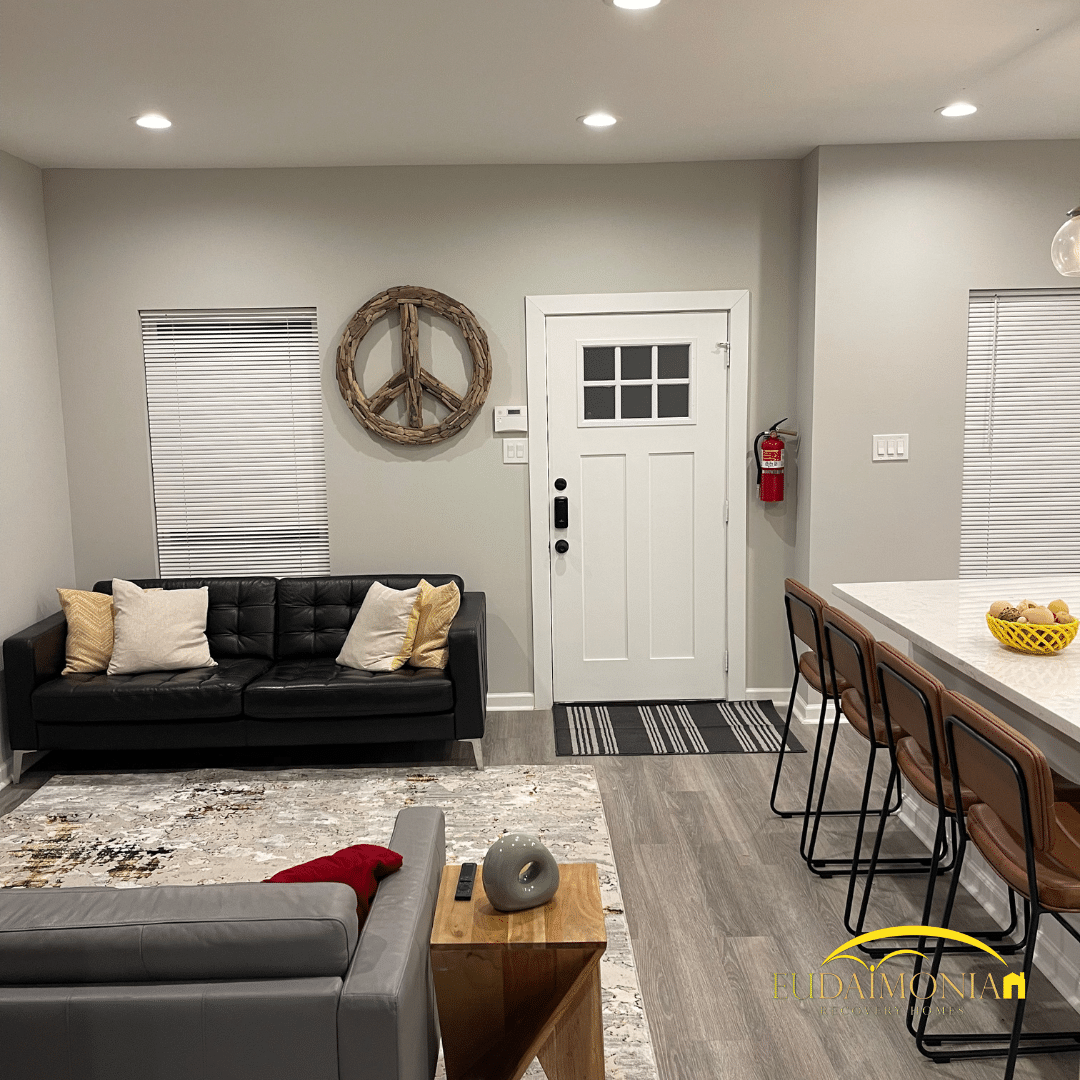

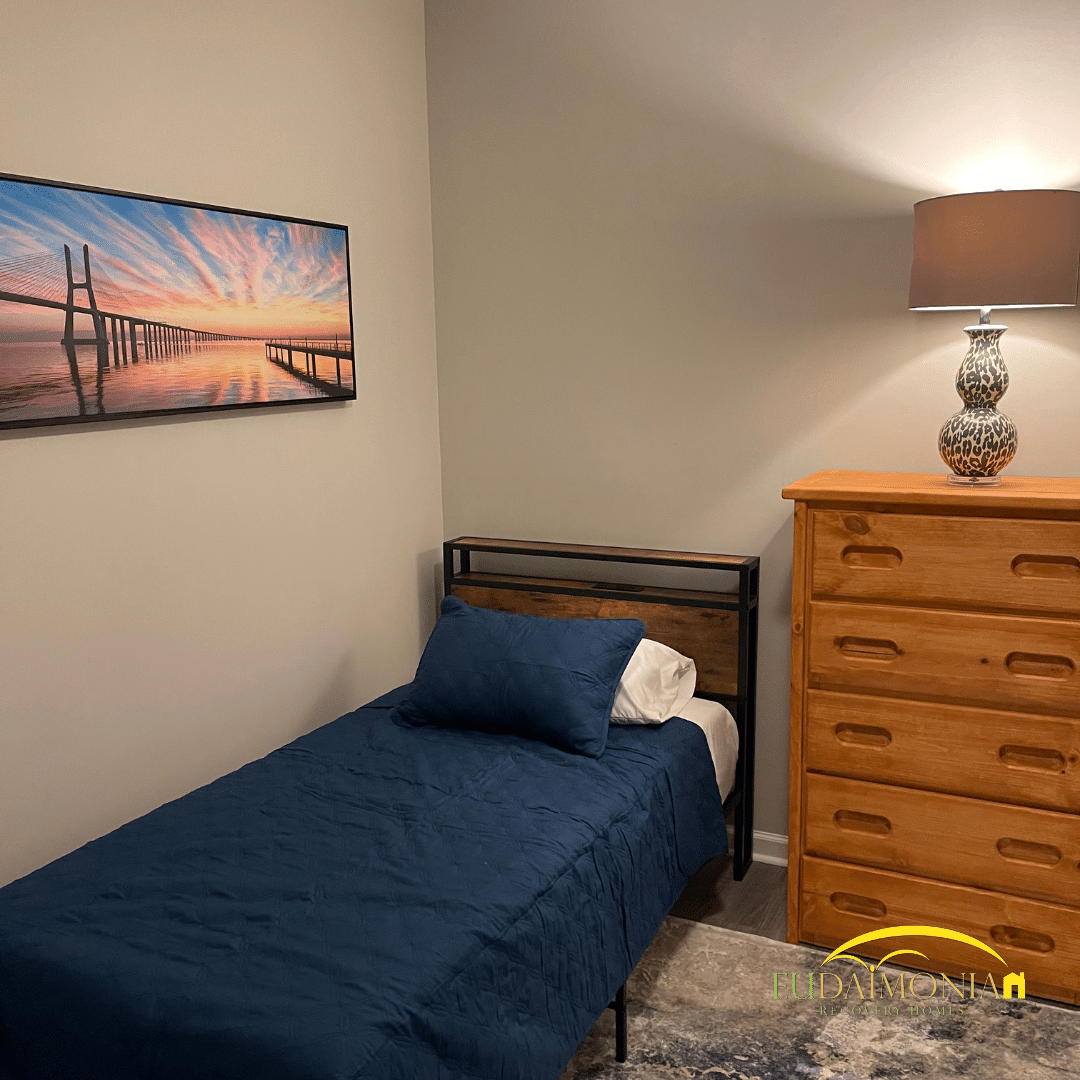
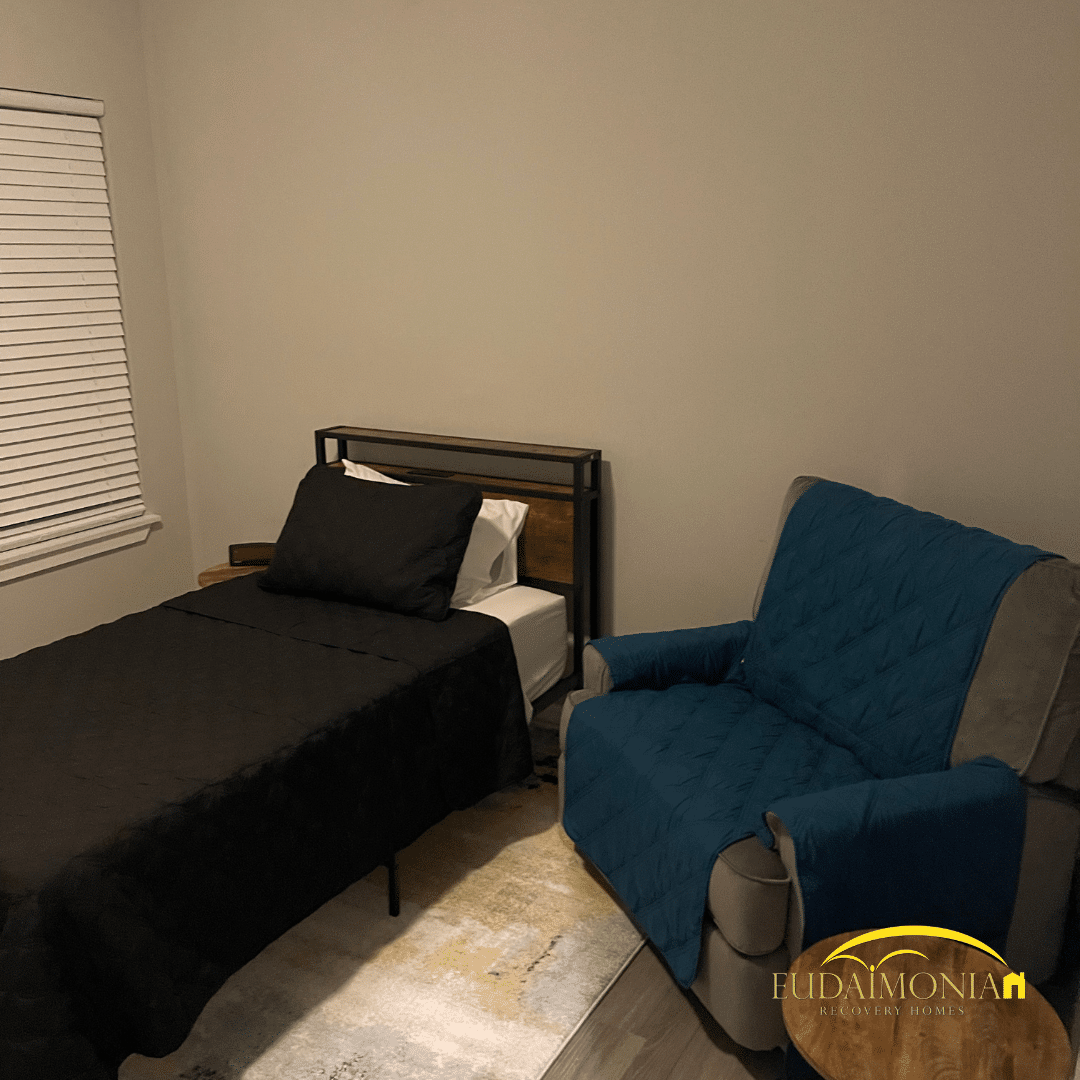
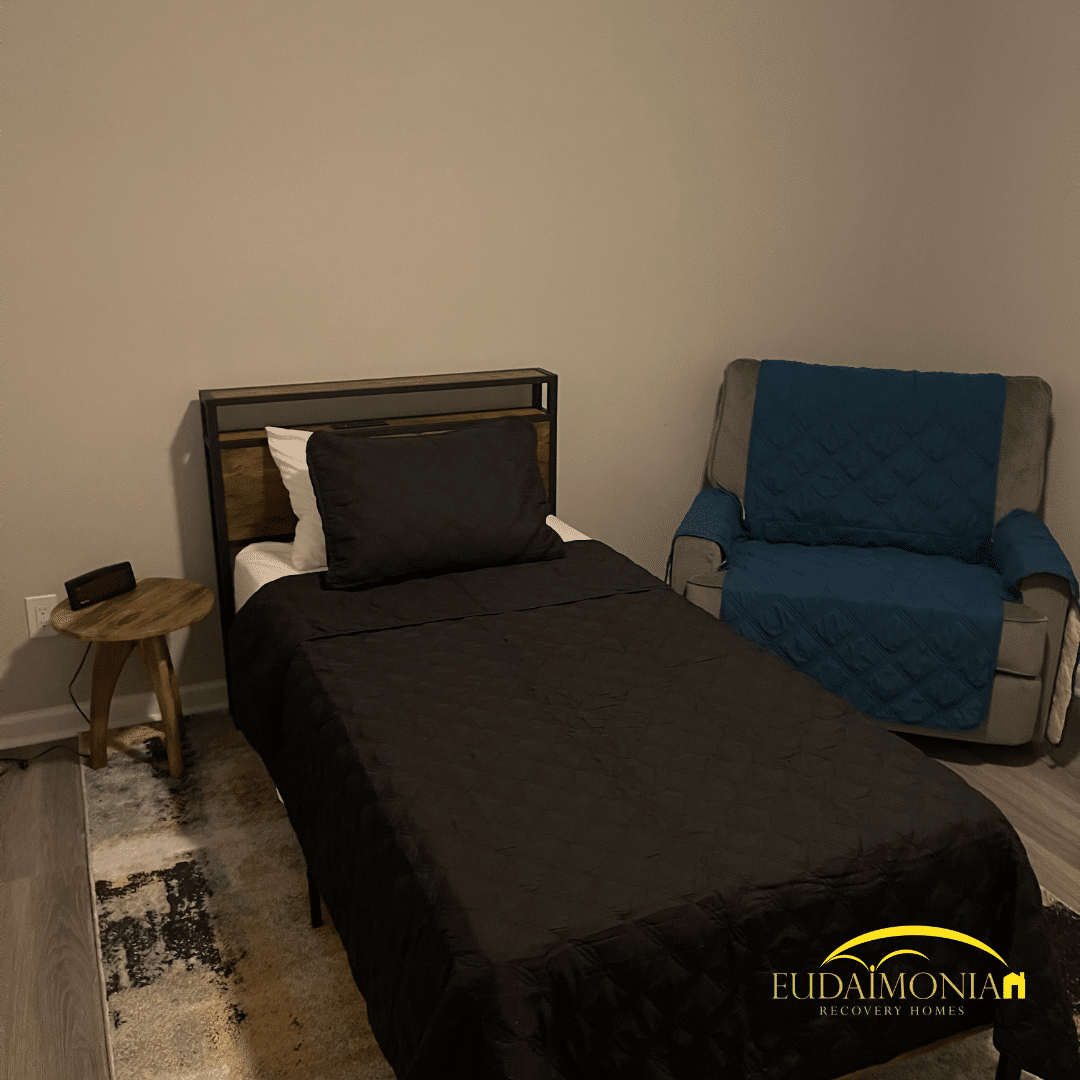
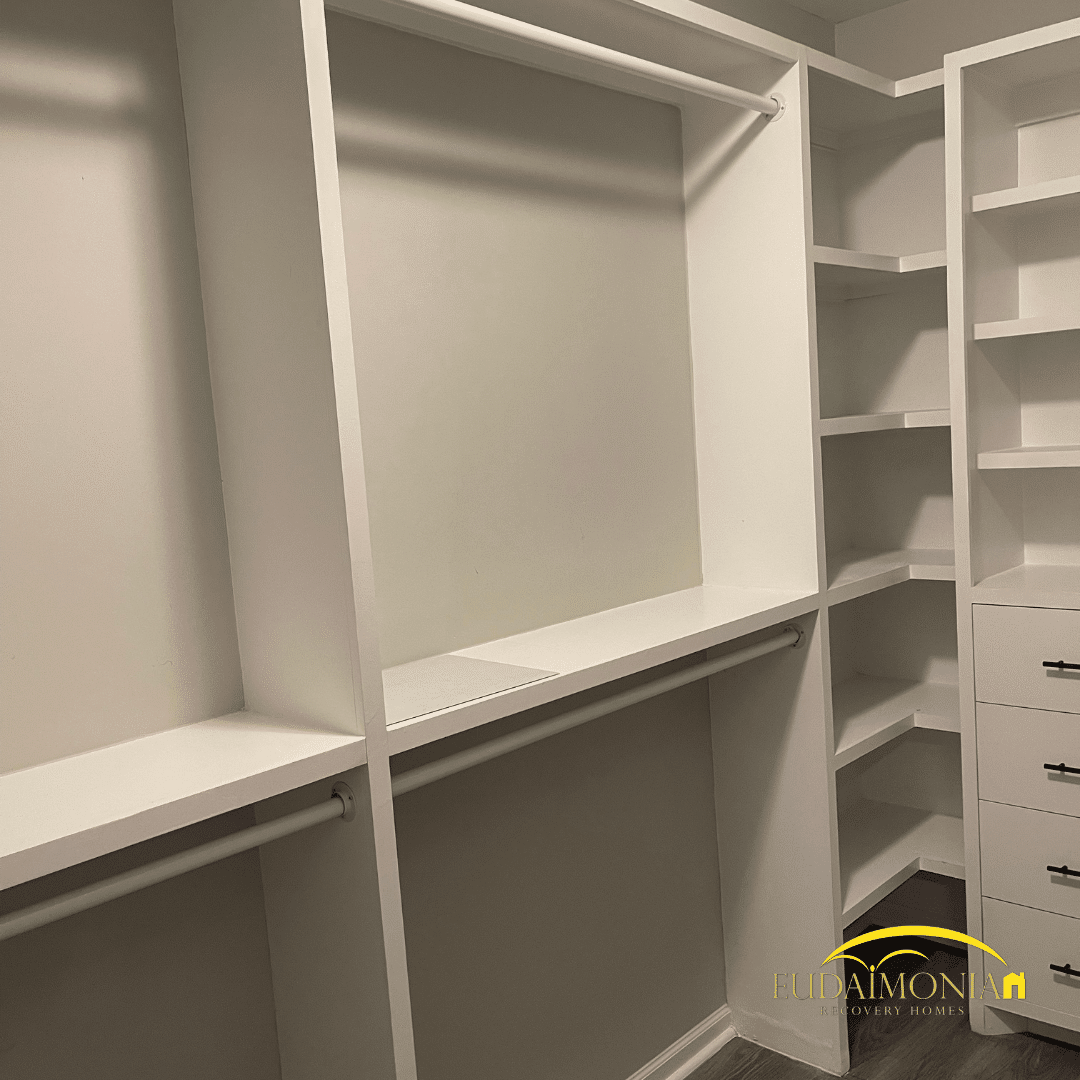
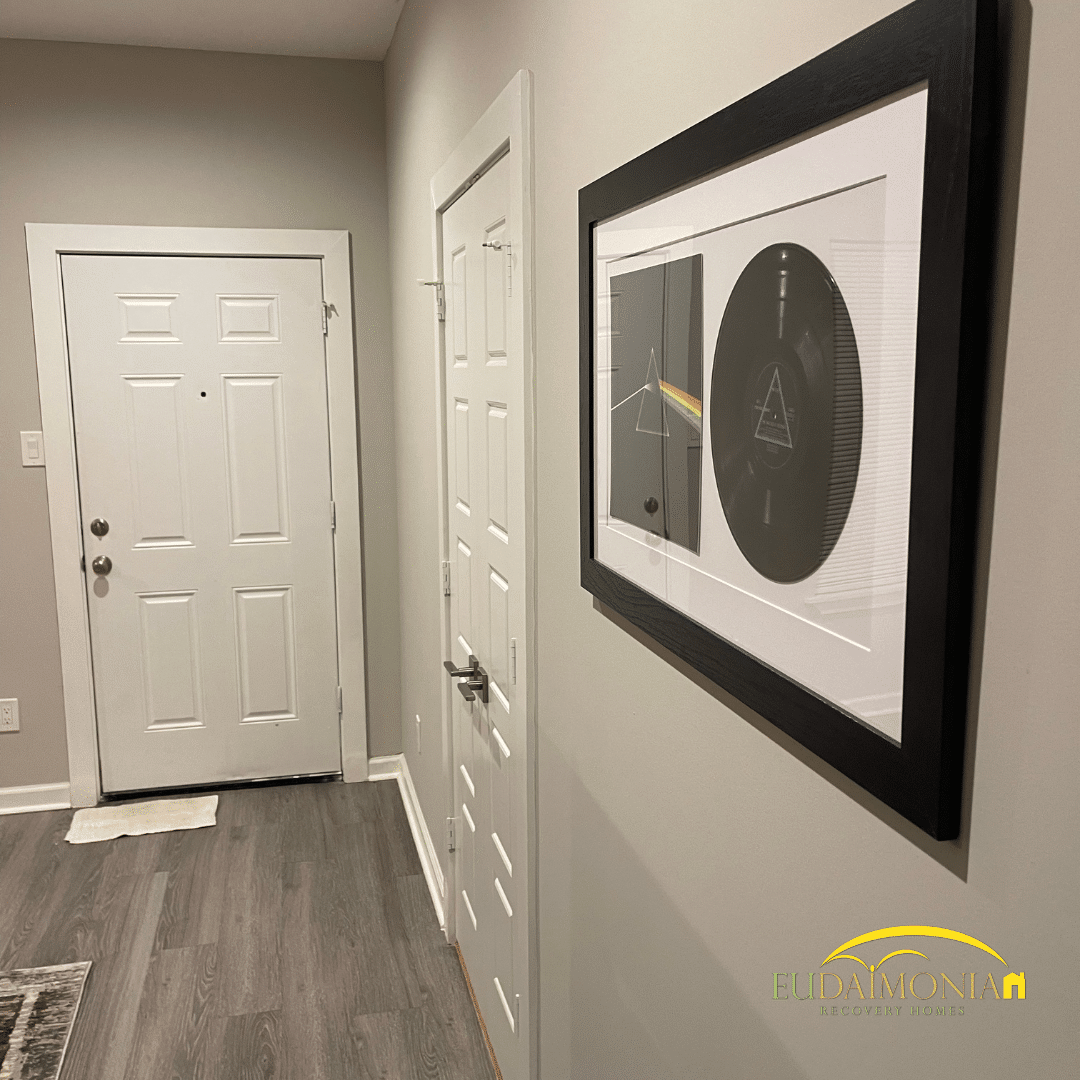



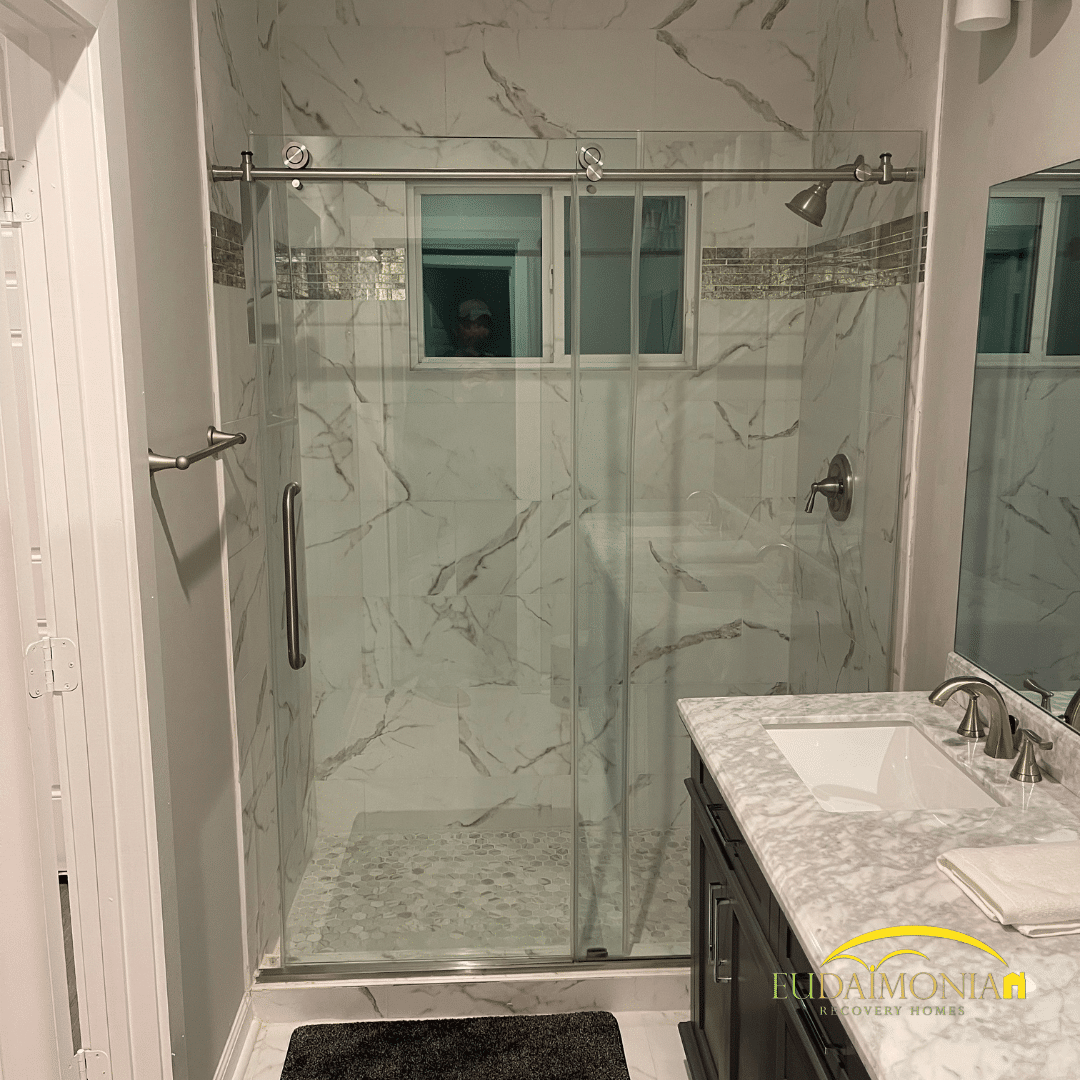
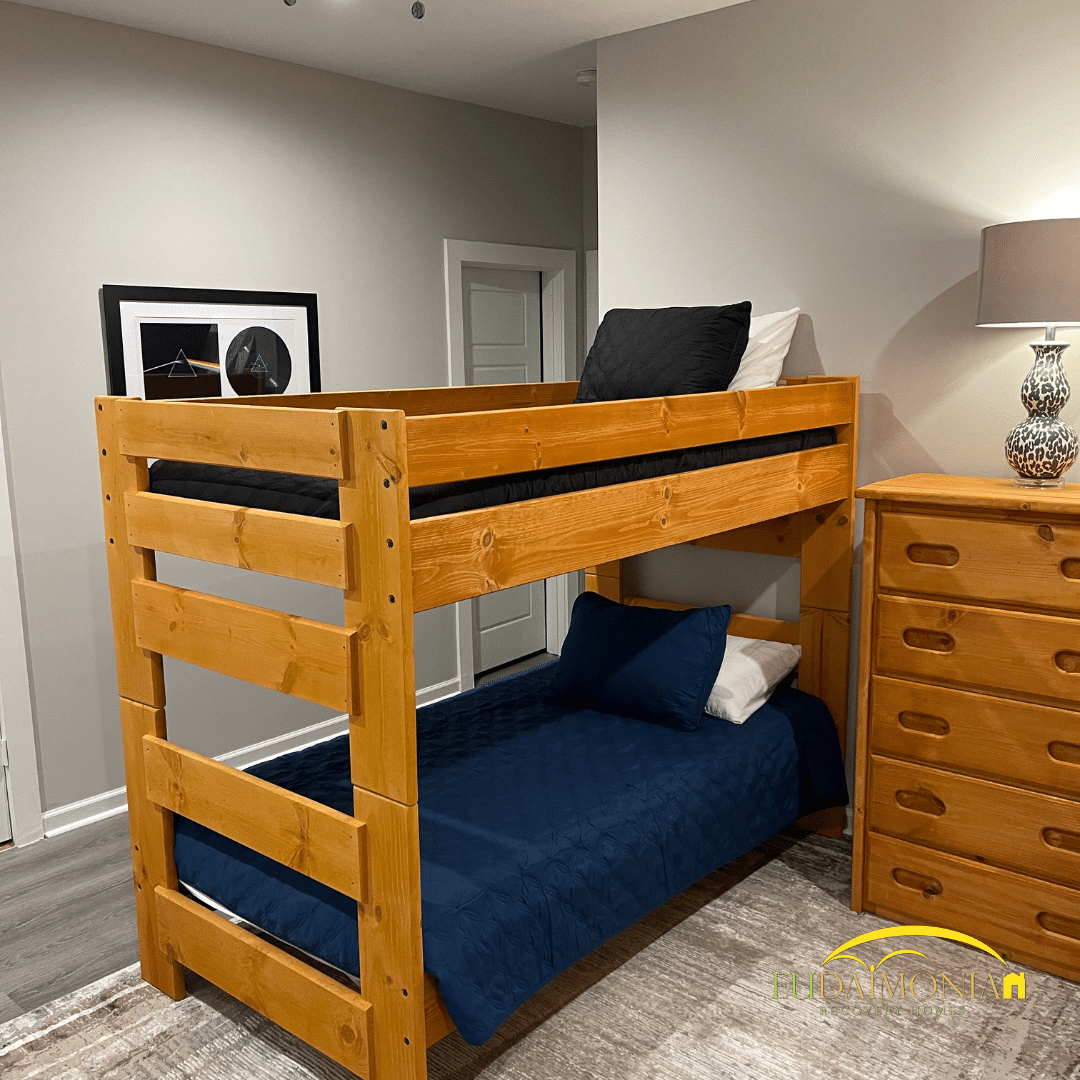
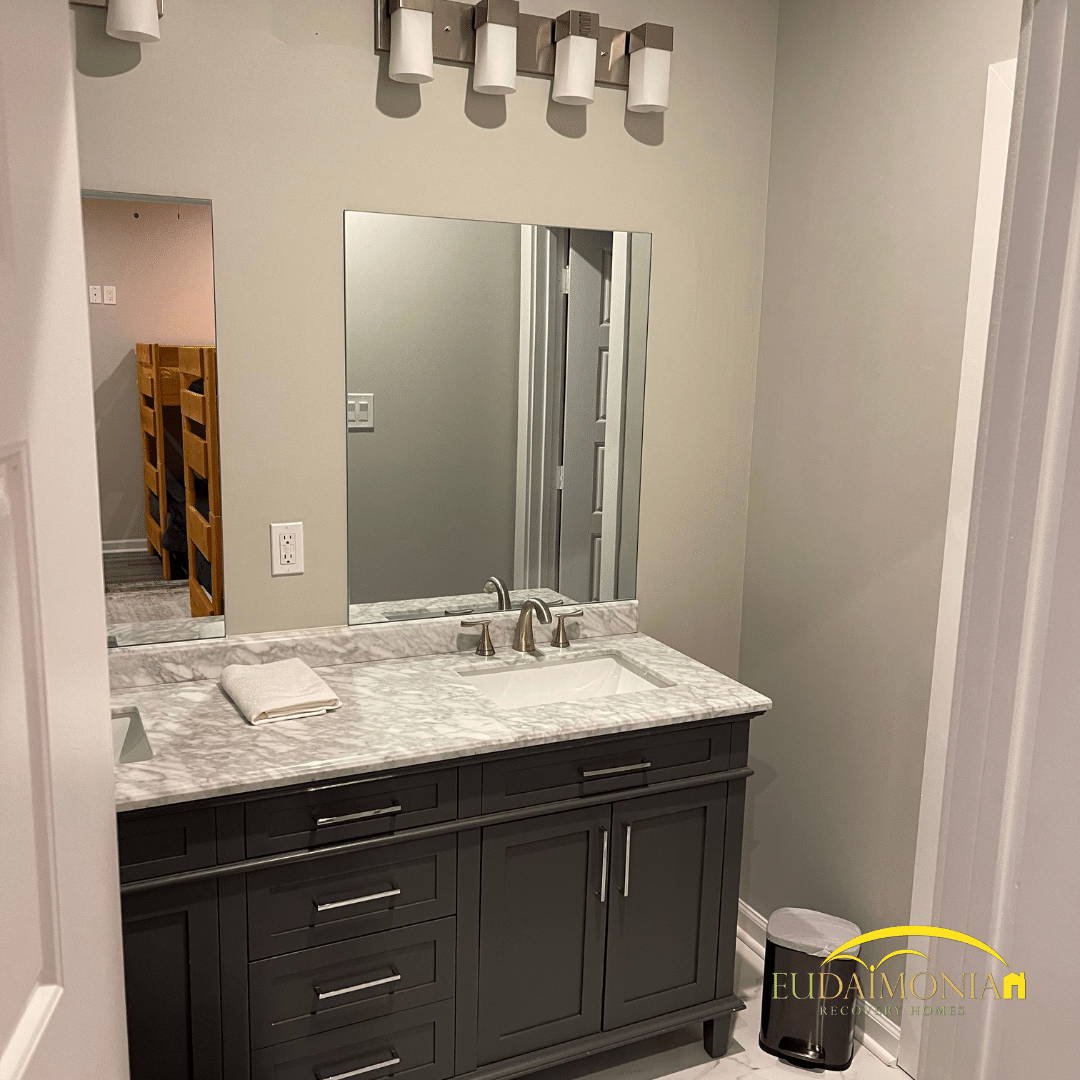
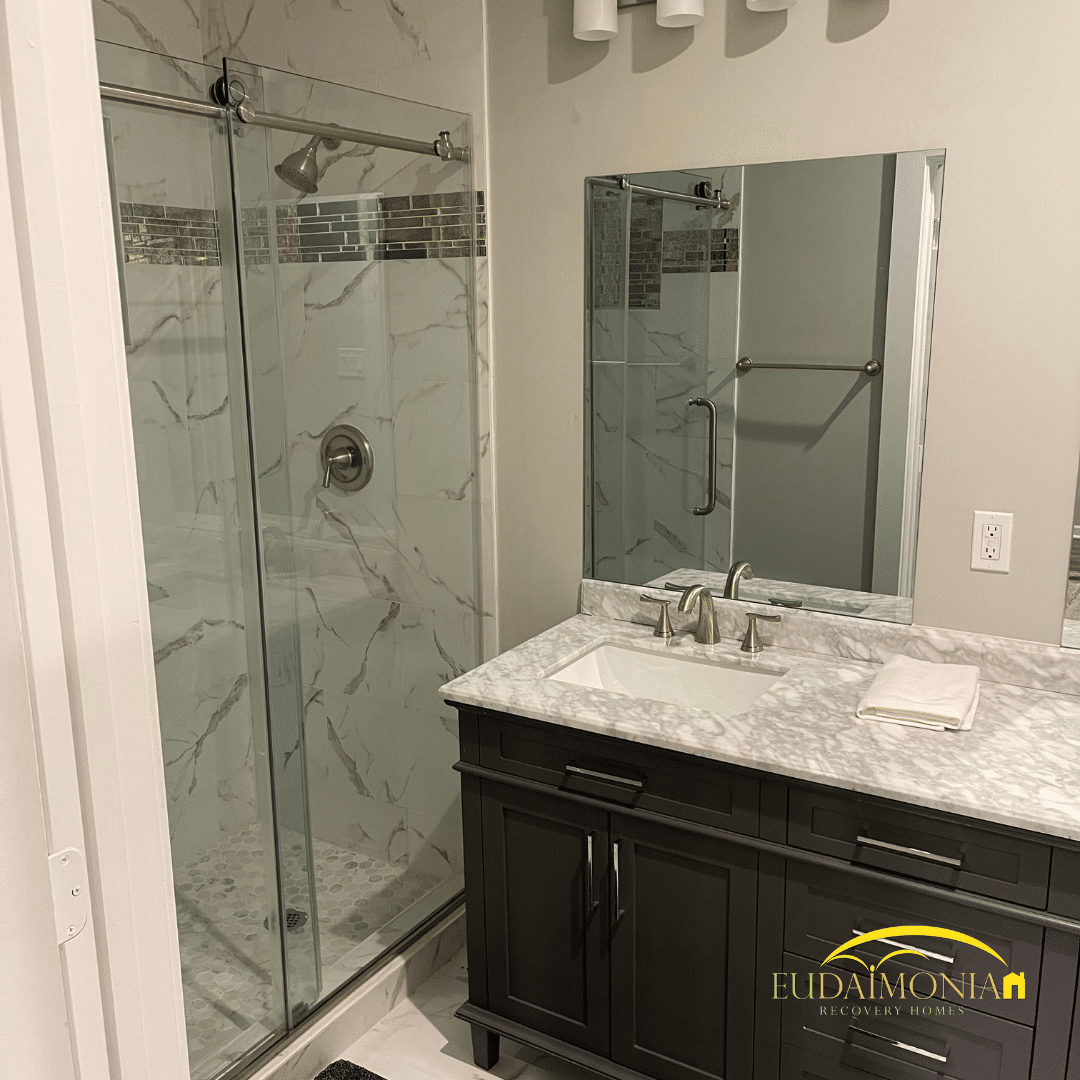

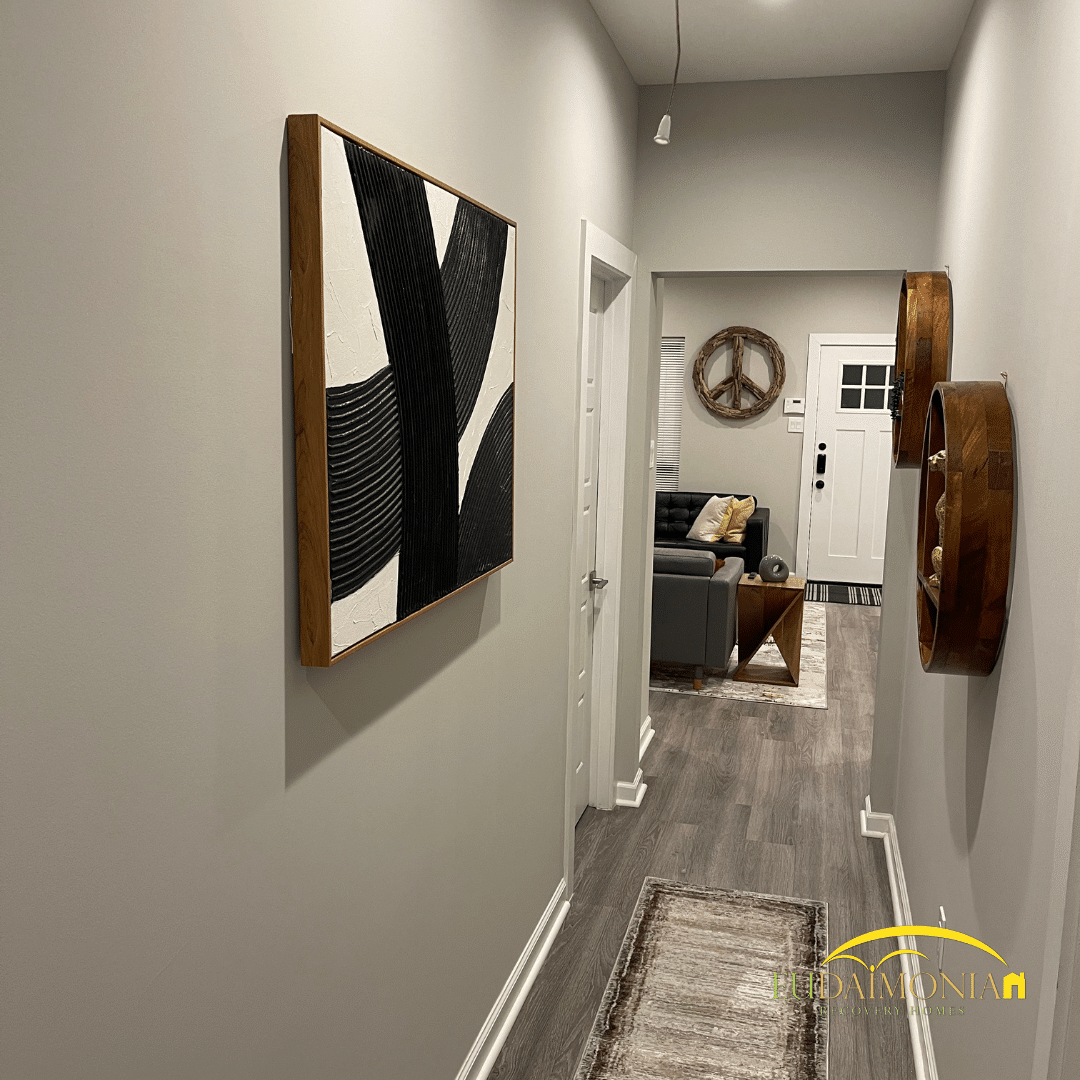




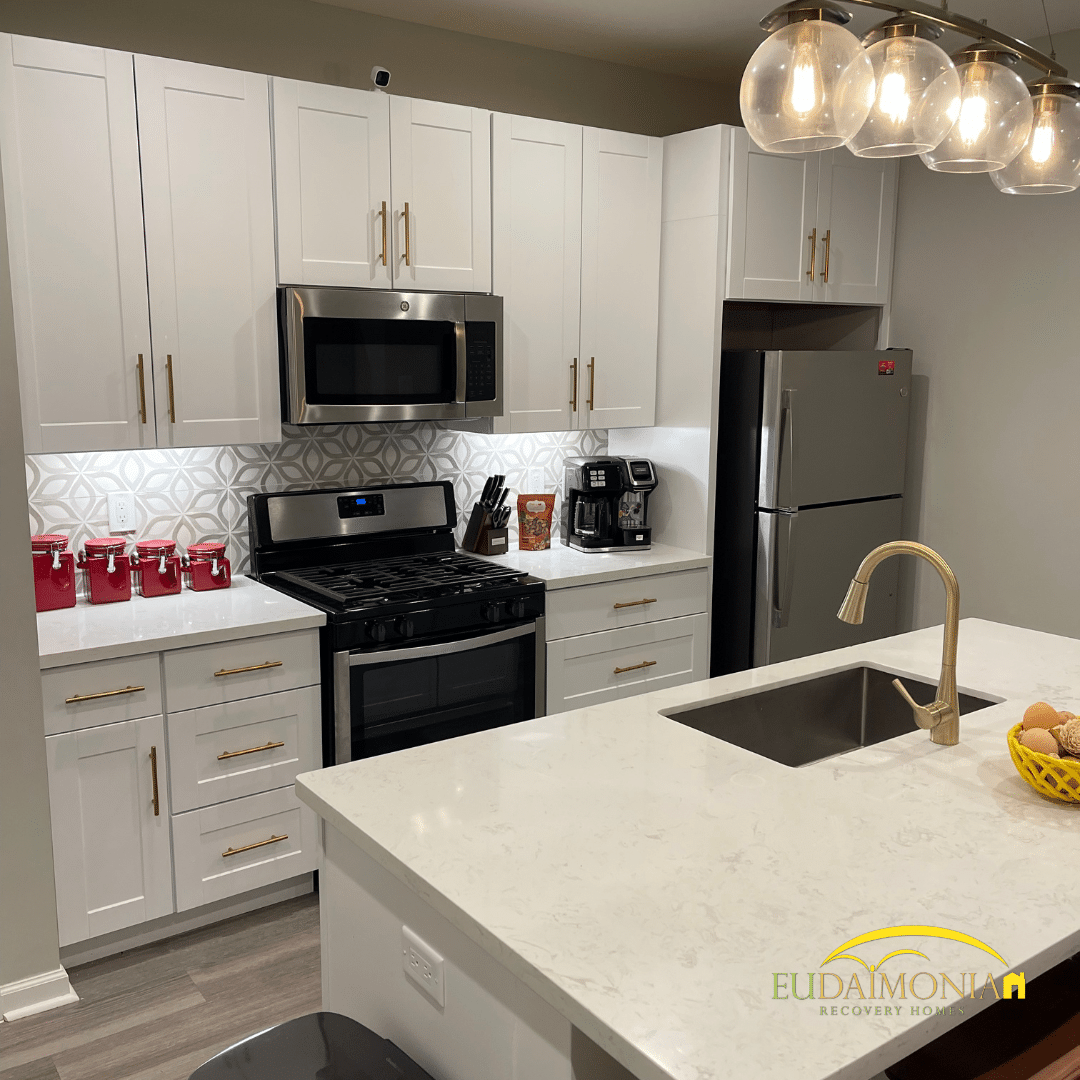

This page is about addiction recovery housing (not post-surgery “recovery houses”). It explains what these homes usually offer, what to ask before moving in, and how to choose a setting that fits your recovery plan.
If you want to compare structured sober living in Houston, TX, you can review local options and next steps here.
Key Takeaways
- Define recovery housing so you understand how a Houston recovery home typically differs from clinical treatment.
- Confirm it fits your situation, especially if you are transitioning from treatment, attending outpatient care, or need a safer living environment.
- Compare rules and support by reviewing sober policies, staffing/oversight, relapse procedures, and how the home handles conflict.
- Expect daily structure such as routines, chores, meetings, and boundaries around visitors, curfews, and shared spaces.
- Plan for total cost by asking what fees include, whether deposits apply, and what move-in requirements you should expect.
- Use reliable resources like helplines and treatment locators if you need guidance finding recovery housing in Houston.
- Consider structured options like Eudaimonia Recovery Homes if you want sober housing that can complement ongoing recovery care.
- Review common questions to clarify length of stay, insurance expectations, MAT policies, and other practical details.
What a Recovery House in Houston, Texas Is
Recovery housing is a sober living setting for people working on recovery from a substance use disorder. It is commonly used as a step between a highly structured treatment program and fully independent living.
Homes differ in how much structure they provide. Some rely mostly on peer support and house rules. Others have a house manager, set schedules, or organized programming that supports day-to-day accountability.
Recovery homes vs. treatment programs
A treatment program provides clinical services, such as counseling, medical care, or supervised medication management. Many recovery homes are not clinics. Instead, they support sobriety by offering a steady, substance-free setting and helping residents connect with outpatient care, mutual-help groups, and other community services.
Common labels you may see
In Houston, listings may use terms like sober living, recovery residence, recovery home, or halfway house. The labels are not always used the same way, so it helps to ask what support is included and what rules apply.
If you’re comparing options by name, this guide on halfway houses in Houston vs. sober living explains the differences in oversight and expectations.
Who Usually Chooses Houston Recovery Homes
Recovery housing is not the right match for every person or every stage of recovery. People often consider it when they need a safer living situation while they build new routines and strengthen supports.
After detox or inpatient rehab
Many people leave treatment with a plan, but the first weeks back in daily life can be difficult. A sober home can limit exposure to old triggers and provide a stable base while routines take hold.
For men who prefer a men-only setting, explore men’s sober living in Houston and what day-to-day structure can look like.
While in outpatient care or rebuilding routine
Some people live in recovery housing while they attend outpatient counseling, group therapy, or intensive outpatient treatment. The home can make it easier to keep a schedule, get to appointments, and stay connected to peers who are also working on sobriety.
Research on outpatient settings has found that structured sober living can be associated with better treatment engagement; see The Role of Recovery Housing During Outpatient Substance Use Treatment.
When home life is unstable or high risk
If a living situation makes relapse more likely—because of conflict, easy access to alcohol or drugs, or unsafe conditions—changing housing can be a practical part of a recovery plan.
Women who want a women-only environment can review women’s sober living in Houston to see what support and expectations are typical.
What to Look for When Comparing Homes
A good match is about real-world details, not just a label. When you compare options, focus on clear rules, how the house is managed, and how problems are handled.
A clear sober policy and accountability
Ask how the home keeps the space drug- and alcohol-free. Some homes use peer rules and group decisions, while others use staff check-ins and testing. In either case, the rules should be easy to understand and applied consistently.
House leadership and support
Many homes have a house manager or senior resident who helps with day-to-day issues, and higher-support residences may have staff oversight and written policies. Ask who handles rule violations, how residents raise concerns, and how conflicts are resolved.
Medication and health needs
If you take prescribed medications, ask how medications are stored and how refills are handled. If you use medication for opioid or alcohol use disorder, ask whether the home supports medication-assisted treatment (MAT) and what paperwork is needed.
Safety, privacy, and basic living needs
Ask about how many people share a room, quiet hours, guest rules, and how personal items are kept secure. Also ask about cleaning routines, pest control, and how the home responds to emergencies.
Location, transportation, and work or school access
Houston is large, so commute time matters. Look at how close the home is to work, school, outpatient care, and recovery meetings. If you use the bus, check routes and walk time.
Questions to ask during a call or tour
- What are the move-in steps and screening requirements?
- What is the curfew, and can it change over time?
- Are drug and alcohol tests used, and how often?
- What meetings, chores, or groups are required each week?
- What does the fee include (utilities, food, supplies, testing)?
- How are medications handled, and is MAT allowed?
Eudaimonia's Success Stories – Real People, Real Freedom
Daily Life in a Houston Recovery Home
Most homes aim to make recovery part of daily life, not something you do only in meetings. While each house is different, day-to-day expectations are usually predictable.
Structure and routines
Many homes expect residents to wake up on time, go to work or job search, and take part in shared tasks. Even simple routines—sleep, meals, and basic planning—can lower stress and make it easier to avoid relapse.
Meetings, chores, and community norms
House meetings help residents address issues early, set shared goals, and divide chores. Many residences also expect or encourage recovery meetings in the community.
Visitors, curfews, and technology
Visitor rules range from strict to flexible. Curfews are common, especially early on, because late-night activity can increase exposure to higher-risk situations. Some homes also set limits on phone use during house meetings or quiet hours.
Cost and Planning for Move-In
Costs depend on neighborhood, room type, features, and the level of staffing or oversight. To compare fairly, look at the total monthly cost and what you receive for that cost.
How fees are usually set
Fees are often weekly or monthly. Some homes require a deposit or an intake fee. Ask for a written cost breakdown, including refunds, late fees, and any rule-related charges.
What a fee may include
Some homes include rent and utilities only. Others include Wi‑Fi, linens, basic supplies, or routine testing, and food may be included in some settings but not in others.
What to bring
Keep it practical and bring only what you need at first:
- Photo ID and any intake paperwork
- Prescribed medications in original containers
- Clothing for work, meetings, and daily life
- Toiletries and a few personal items
- Contact information for your counselor, sponsor, or support team
For a more detailed checklist, see what to bring to sober living before move-in day.
How to Get Help Finding Recovery Housing in Houston
If you are unsure where to start, it can help to use trusted tools and ask for referrals from a provider you already know.
Use national tools and helplines
SAMHSA’s National Helpline is free, available 24/7, and can connect people to treatment and support resources. You can also use FindTreatment.gov as a locator tool.
Consider the level of support you need
Recovery residences range from peer-run homes to settings with on-site staff and structured programming. NARR describes different “levels” of recovery residences based on staffing, how they are run, and recovery support, which can be a helpful way to compare options.
You can compare recovery residence support levels using NARR’s recovery residence standards and levels.
When to consider a higher level of care
If someone is in withdrawal, cannot stay safe, or needs urgent medical help, housing alone is not enough. In those cases, emergency or clinical care is a safer next step.
How Eudaimonia Recovery Homes Supports Recovery Housing in Houston
Eudaimonia Recovery Homes can support the goals behind “Houston Recovery Homes: What to Know” by providing a stable place to live while residents focus on sobriety and daily routine. For many people, a substance-free environment helps reduce exposure to triggers that can disrupt early recovery.
Eudaimonia’s approach is intended to add structure through clear house expectations, shared accountability, and consistent support that varies by residence. With housing needs addressed, residents may find it easier to stay engaged with outpatient care, recovery meetings, work, or school. A predictable living setting can also encourage healthier patterns around sleep, time management, and stress control. Because each recovery plan is different, Eudaimonia can be used alongside clinical treatment, peer support, and other community resources when needed.
For someone new to recovery housing, having one provider explain rules, costs, and move-in steps in plain terms can reduce uncertainty during a transition. Overall, the focus is to make day-to-day life more steady so residents can practice recovery skills and build independence over time.
Other Sober Living Locations
Frequently Asked Questions About Houston Recovery Homes
What are Houston recovery homes?
Houston recovery homes are substance-free residences designed to support people in recovery from alcohol or drug addiction. They typically provide a stable living environment with shared expectations that help residents maintain sobriety while rebuilding routines and independence.
Is a recovery house in Houston, Texas the same as rehab?
Usually, no. Rehab generally refers to clinical treatment (therapy, medical oversight, structured programming), while a recovery house is primarily housing with accountability and peer support. Some residents live in recovery housing while attending outpatient treatment elsewhere.
How does sober living work day‑to‑day in Houston recovery homes?
Daily life often centers on predictable routines, shared responsibilities, and clear boundaries. Many homes expect residents to follow a schedule, contribute to chores, and stay engaged in recovery-related activities that fit their personal plan.
What rules should I expect in a recovery house in Houston, Texas?
Rules vary by home, but many include sobriety requirements, curfews, expectations around respectful behavior, and guidelines for visitors. Some homes also use drug/alcohol testing and require participation in meetings or house check-ins.
What does sober living cost per month in Houston?
Costs can vary widely based on location, room type (shared vs. private), amenities, and staffing. A practical step is to ask for a written breakdown of the monthly fee and what it includes (utilities, testing, supplies, deposits, and any added charges).
Does insurance cover sober living or addiction recovery housing in Houston?
In many cases, insurance does not pay for housing costs because rent is not considered clinical care. However, insurance may cover outpatient treatment services (like therapy or IOP) that a person attends while living in recovery housing.
How long can someone stay in Houston recovery homes?
Do Houston recovery homes allow MAT (medications for addiction treatment)?
What happens if someone relapses while living in sober housing?
Can you have visitors at a Houston recovery home?
Are there women-only recovery homes in Houston?
Do I need to finish rehab before moving into a recovery house in Houston, Texas?
How do I choose the right Houston recovery home?
A good fit usually comes down to clarity and consistency: written rules, transparent pricing, a clear relapse policy, and a support level that matches the person’s needs. It is also reasonable to ask how conflicts are handled and what accountability systems are actually used day to day.
Why do I see searches like “Houston Recovery Houses LLC”?
Sometimes people search by a business’s legal naming format (such as “LLC”) rather than a general service term. If you see that phrase, treat it as a search label and focus on the practical details—rules, cost, safety, and the level of support—before making a decision.