

Key Takeaways
- What sober living is for women in Austin, TX: a drug‑ and alcohol‑free home that bridges treatment and independent living.
- How to choose a sober living home near you by comparing safety, structure, location, cost, and overall program fit.
- Sober social life in Austin can include fall mocktails and alcohol‑free activities that make recovery feel connected and enjoyable.
- Key FAQs answered about who women’s sober living helps, how long to stay, insurance limits, and typical monthly costs.
- How Eudaimonia helps women find sober living near them in Austin, TX with structured homes, accountability, and recovery support.
What Is Sober Living Near Me in Austin for Women
If you’re searching for sober living near me in Austin, TX, this guide explains what is sober living for women, how sober living homes work, and even simple fall mocktails that fit a sober routine.


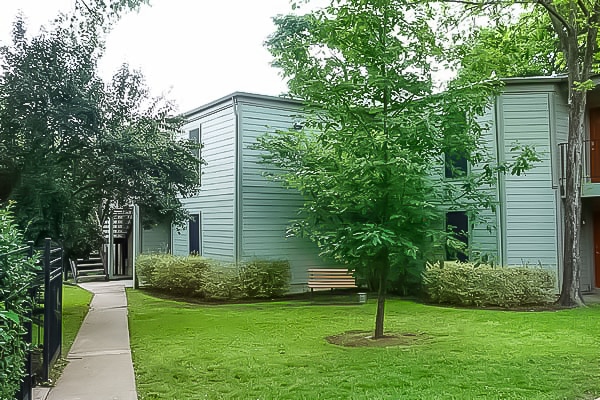


What Is Sober Living for Women in Austin, TX?
A sober living home is a shared, drug- and alcohol-free house where residents pay rent, follow clear rules, and support one another in recovery after detox or rehab. It is not a treatment center but a bridge between structured care and fully independent living. In Austin, women’s sober living homes in Austin, Texas add gender‑specific privacy and safety, which many women find more comfortable, especially after trauma or difficult relationships.
Most women’s sober living homes in Austin expect residents to work, study, or volunteer while they live there. Curfews, random drug or alcohol testing, house meetings, and chores create daily structure and accountability so everyone knows what to expect. Many homes also encourage regular 12‑step or other recovery meetings so residents can plug into the wider Austin recovery community.
Daily life in a women’s sober living home
Day to day, women’s sober living near me in Austin usually feels like a small roommate community with extra structure. You share a bedroom or small apartment, cook your own food, and divide chores like cleaning common areas or bathrooms. House meetings give everyone a chance to raise concerns, review rules, and check in about progress or struggles.
Curfews and quiet hours help keep the home calm and predictable. Drug and alcohol testing, plus clear consequences if someone uses, protect the whole group. Over time, the small routines—paying rent on time, going to work or school, waking up sober—help rebuild confidence and self‑respect.
Who women’s sober living helps most
Women’s sober living in Austin can help if you are stepping down from residential treatment, leaving detox, or restarting recovery after a relapse. It is also useful if your previous home environment involved easy access to alcohol or drugs, unsafe relationships, or people who still use. For some women, a gender‑specific home feels safer and less distracting than co‑ed housing while they practice new boundaries and coping skills.
Eudaimonia's Success Stories – Real People, Real Freedom
EXCELLENTTrustindex verifies that the original source of the review is Google. Great staff, Eddie the property director is the bees knees! Eddie tells you like it is but shows empathy and compassion, while remaining form and kind!Posted onTrustindex verifies that the original source of the review is Google. Great people in a great placePosted onTrustindex verifies that the original source of the review is Google. Community of fellowship and directed house managers, firm,loving, and genuinely want you to succeed. Nice apts. As well laundry room free, pool, game room. Great price for recoveryPosted onTrustindex verifies that the original source of the review is Google. I am so grateful for Eudaimonia,it has changed my life for the best. I fall down but WE get up.
How to Choose Sober Living Near Me in Austin
When you search sober living near me or sober living in Austin, TX, results can feel overwhelming. Focusing on a few basic factors can make the choice clearer: safety, structure, location, cost, and fit. Texas Health and Human Services recognizes adult substance use recovery residences as a key part of the state’s recovery support system.
Ask how the home handles safety and rules. Good women’s sober living homes have written policies, trained staff or house managers, and regular testing. They should explain what happens if someone relapses and how they support the rest of the house afterward. You can also ask whether staff are on‑site overnight and how they respond to conflicts or emergencies.
Location matters too. Many Austin homes sit near bus lines, grocery stores, and job or school options so residents can work or study while they stay in a stable environment. If you rely on public transit, look at commute times to your job, school, or outpatient treatment.
Cost and length of stay are practical details to cover early. In Austin, published prices for sober living range from the mid‑hundreds to the low thousands of dollars per month, depending on room type and amenities. Most homes are private pay, and insurance usually only helps with separate clinical services such as outpatient therapy or intensive outpatient programs, not rent itself. Ask whether the home offers written pricing, deposits, and any extra fees, and whether residents typically stay three months, six months, or longer.
For a deeper breakdown of what women’s sober living in Austin looks like, who it helps, and how to compare homes, see our full guide to women’s sober living in Austin, TX.
Daily life in a women’s sober living home
Day to day, women’s sober living near me in Austin usually feels like a small roommate community with extra structure. You share a bedroom or small apartment, cook your own food, and divide chores like cleaning common areas or bathrooms. House meetings give everyone a chance to raise concerns, review rules, and check in about progress or struggles.
Curfews and quiet hours help keep the home calm and predictable. Drug and alcohol testing, plus clear consequences if someone uses, protect the whole group. Over time, the small routines—paying rent on time, going to work or school, waking up sober—help rebuild confidence and self‑respect.
Who women’s sober living helps most
Women’s sober living in Austin can help if you are stepping down from residential treatment, leaving detox, or restarting recovery after a relapse. It is also useful if your previous home environment involved easy access to alcohol or drugs, unsafe relationships, or people who still use.
For some women, a gender‑specific home feels safer and less distracting than co‑ed housing while they practice new boundaries and coping skills. If you are comparing options in different cities, our women’s sober living programs explain how this level of care works across Texas and beyond.
Recent research on recovery housing finds better abstinence, employment, and legal outcomes, as well as strong cost‑effectiveness compared with usual care.
Fall Mocktails and Sober Social Life in Austin
Choosing sober living does not mean giving up social life. Many women host small gatherings, celebrate holidays, or enjoy fall events in Austin without alcohol. Fall mocktails—nonalcoholic drinks built around flavors like apple, cinnamon, ginger, and cranberry—can make those moments feel special without adding risk. You can find more ideas for sober fun and cozy fall mocktails in our guide to the best sober activities for fall nights.
Simple options include warm spiced apple cider, ginger–apple fizz with seltzer, or cranberry spritzers with citrus. These drinks can be shared at house dinners, game nights, or after a meeting. For some women, having intentional nonalcoholic options makes it easier to say no to alcohol at events and to practice new habits in low‑pressure settings.
How Eudaimonia Recovery Homes Supports Sober Living Near Me in Austin, TX
Eudaimonia Recovery Homes helps women understand what sober living near me in Austin, TX looks like by offering structured, supportive housing. Each home provides a stable, drug- and alcohol-free environment with clear rules, regular meetings, and daily accountability.
House managers guide residents through expectations, admissions, and day-to-day questions about what sober living involves. The Austin locations sit near jobs, schools, and recovery resources, making it easier for women to work, study, and attend outpatient care. Community support is a core part of the program, encouraging residents to share experiences and build healthy communication skills.
Life-skills training and recovery-focused activities help with budgeting, time management, relapse prevention, and self-care. Staff also offer alcohol-free ideas such as fall mocktails to support social events and seasonal routines. Together, these resources give women a clear view of sober living near me in Austin, TX and a safe place to practice long-term recovery.
Other Sober Living Locations
FAQ: Sober Living Near Me in Austin, TX for Women
What is sober living and how is it different from rehab?
Sober living is a drug‑ and alcohol‑free home where people in recovery live together, follow house rules, and support each other while they work, study, or attend treatment. It acts as a bridge between rehab and fully independent living. Unlike rehab, sober living homes usually do not provide formal therapy or 24/7 medical care; instead, they focus on safe housing, peer support, and daily structure.
Who is sober living near me in Austin, TX for?
Sober living in Austin is for people who are sober or actively in treatment and want a stable place to live while they practice recovery skills. It is often used after detox or residential rehab, or when home is not a supportive environment. Women’s sober living homes add gender‑specific privacy and support, which can feel safer for some women.
How long should I stay in a sober living home?
There is no single “right” length of stay, but many programs suggest planning for at least 90 days. Studies and program data show that typical stays range from about 3 to 12 months, and longer stays are often linked with better recovery outcomes. The best length of time is the one that lets you feel stable, connected, and ready to live more independently.
How much does sober living cost in Austin, TX?
Costs for sober living near me in Austin, TX vary based on location, room type, and amenities. Published ranges from recovery providers show that shared rooms may start in the lower hundreds per month, while private or higher‑amenity homes can be over $1,000 per month. Rent usually includes utilities and house support but not clinical treatment.
Does insurance pay for sober living homes?
Most health insurance plans do not pay the rent for sober living homes because they are considered housing rather than licensed treatment. However, the same plan may cover outpatient therapy or medication visits you attend while living there. It is important to check your individual policy and ask each sober living home what payment options they accept.
How do I find reputable women’s sober living near me in Austin?
Start by searching “women’s sober living near me” and reviewing websites for details on rules, staffing, and photos of the homes. Ask your therapist, treatment center, or support group for referrals, and schedule tours so you can meet staff and residents in person. Look for clear house rules, regular drug testing, a structured schedule, and reviews from former residents.
Do I have to finish rehab before moving into sober living?
Many sober living homes prefer or require that you complete detox or a treatment program first, especially if you have been using heavily. Some homes do accept people who have not just finished rehab, as long as they can stay sober and follow rules. Each house sets its own admission criteria, so it’s important to ask directly.
What is the difference between sober living and a halfway house?
Both sober living homes and halfway houses are drug‑free environments, but they usually serve different purposes. Halfway houses often receive public funding, may have time limits, and sometimes house people coming from jail or court programs. Sober living homes are typically voluntary, more flexible in length of stay, and funded through resident rent, with a stronger focus on peer support and community.
What should I expect day to day in a women’s sober living home?
Day‑to‑day life in women’s sober living usually includes curfews, random drug or alcohol tests, house meetings, and shared chores. Most homes expect residents to work, attend school, or volunteer, and to go to recovery meetings during the week. The goal is to practice real‑world routines in a safe, sober environment alongside other women who understand recovery.
Are fall mocktails okay if I’m in recovery?
For some people, fall mocktails and other nonalcoholic drinks make it easier to enjoy social events without alcohol and can support a sober lifestyle. For others—especially in early recovery—drinks that look or taste like cocktails may trigger cravings or memories of drinking. Experts suggest talking with your care team, being honest about your triggers, and choosing simple, alcohol‑free fall drinks if they feel safe for you.
Can I work or go to school while living in sober living near me?
Yes. Most Austin women’s sober living homes expect residents to work, attend school, or volunteer while they live there so they can practice sobriety while managing normal responsibilities.
What should I look for when touring a women’s sober living home?
Pay attention to cleanliness, how residents interact, and whether staff explain rules and expectations clearly. Ask about curfews, testing, guest policies, and what happens if someone relapses.