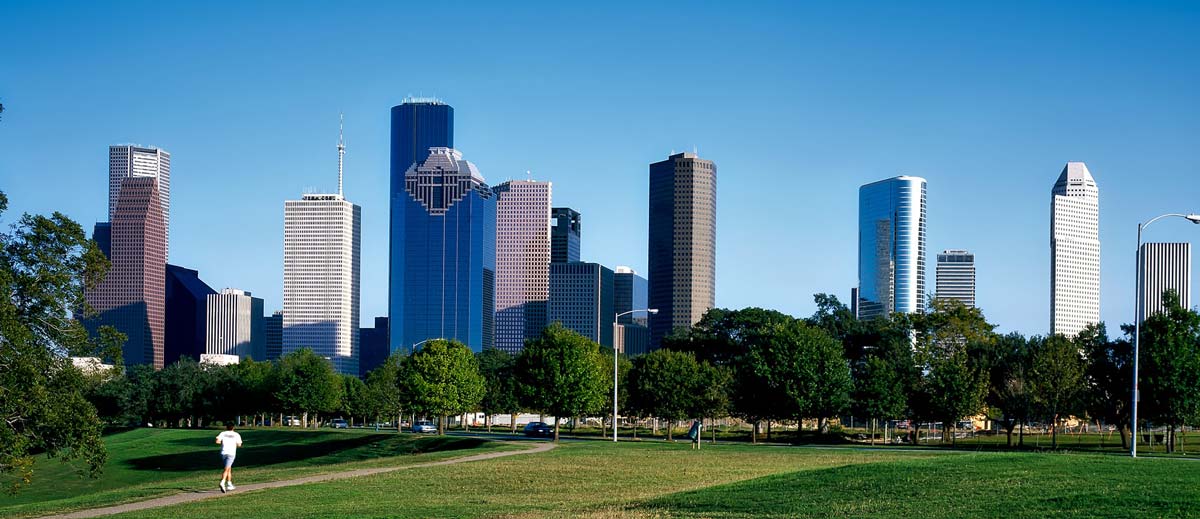
 Sometimes relocating to a new city for a sober living program can provide much-needed change and inspiration as you embrace a new lifestyle of sobriety. If you are searching for a new place to begin your sober life, Houston may be a great option. Here are six excellent reasons to consider enrolling in a sober living program in Houston.
- Houston is a vibrant and growing city.
It’s not unusual for newly sober individuals to seek out locations that are constantly growing and full of opportunity for their fresh start. That’s why Houston is a great choice for anyone looking to start their new sober life. Plentiful jobs, education, and housing continue to draw more people to the Houston area and according to Greater Houston Partnership research, Metro Houston added more than 125,000 new residents in 2016.1 Experts predict that Houston and its surrounding suburbs will only continue to grow in the coming years.2
- Houston has plenty of fun sober activities to enjoy.
If you prefer a sober living home in a location that has plenty of sober activities, Houston is the place to be. From museums, live sports events, parks, and an endless array of diverse restaurants, there are countless ways to have sober fun in this city. Check out our list of the top ten sober activities in Houston to get some ideas.
- The weather is warm year-round.
Individuals seeking a transitional housing program located in a warmer climate will enjoy Houston. The average annual high temperature in Houston is 78.3 degrees Fahrenheit and the average annual low temperature is 59.8 degrees Fahrenheit. Annually, the city sees an average of 2633 hours of sunshine, making Houston a wonderfully warm and tropical environment overall.3 Although residents do see a few cold days in the winter, the majority of the year is spent with pleasantly warm temperatures.
- You’ll have access to plenty of job opportunities and education.
If you are considering enrolling in a transitional housing program, chances are, you might also be looking for a job sometime soon. Whether you’re looking to get right back into the professional world or you’re interested in furthering your education first, Houston is full of opportunities. The Bureau of Labor Statistics reports that the September 2017 unemployment rate for the Houston area was 4.7 percent and from May 2016 to May 2017, Greater Houston added 41,900 jobs.4,5,6 Houston-Sugar Land-Baytown is also noted by Forbes to be one of the top big-city areas for jobs and some of the top industries in the area include retail, education, construction, and healthcare. Houston is also home to several colleges and universities, including Houston Community College, University of Houston, Rice University, and Texas Southern University, among several others.
- The city’s population is extremely diverse.
Houston is one of the most racially and ethnically diverse cities in the country.7 As a newly sober individual, you can expect to meet and build relationships with other sober people of all different races and backgrounds while you are enrolled in a Houston sober living program. Naturally, as a result, the food scene is extremely eclectic as well, so you’ll have plenty of opportunities to enjoy a variety of foods around the city.
- Eudaimonia sober living homes are all located in a safe and desirable area of Houston.
If you are worried about safety and comfort in such a large city, you can rest easy knowing that all Eudaimonia sober living homes are located in a safe and desirable location in North Houston. Our men’s and women’s homes are all located in the same quiet neighborhood, forming a sober living community. These homes are also within walking distance of our Houston outpatient facility, making it easy and convenient to attend IOP meetings each week. Our men’s and women’s homes are also located near several bus stops, grocery stores, and retail centers, and Houston Community College is just a few miles away.
If you’re interested in learning more about our sober living homes in Houston, please call our admissions team today. We can help you find the perfect sober living home for your new sober journey in Houston.
References:
- https://www.houston.org/pdf/research/narratives/population/population-update.pdf
- https://www.texastribune.org/2017/05/25/texas-suburbs-are-once-again-among-fastest-growing-cities/
- https://www.bls.gov/regions/southwest/summary/blssummary_houston.pdf
- https://www.houstonpublicmedia.org/articles/news/2017/05/19/201854/houstons-job-market-keeps-expanding/
- http://www.tracer2.com/admin/uploadedpublications/1720_houstonmsa.pdf
- http://www.latimes.com/nation/la-na-houston-diversity-2017-htmlstory.html