
How to Work Step 1 [of the Twelve Steps]
Getting sober isn’t easy because it’s difficult to admit that you have a problem, let alone that you’re powerless to alcohol or drugs. However, this

Getting sober isn’t easy because it’s difficult to admit that you have a problem, let alone that you’re powerless to alcohol or drugs. However, this

It’s officially Fall even though it still feels like summer here in Texas! Welcoming this new season is a perfect opportunity to expand your hobbies,

When you’re addicted to drugs or alcohol, any type of day is a good reason to get high or drunk. Whether you’re feeling low and
Addiction is a complex disease and the idea of being “in recovery” or being “a recovered addict” is somewhat objective. Recovery is unique to every


One of the most common questions about an intensive outpatient program is, “How long does IOP last?” The duration of addiction treatment can be a
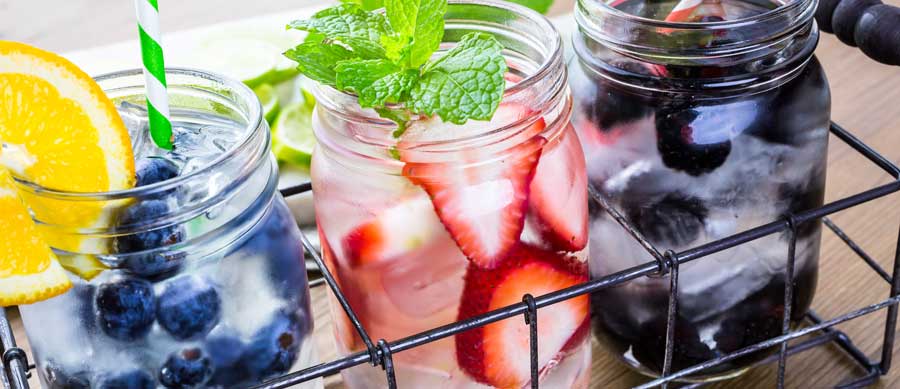
If you’re living a sober life, chances are, you’re bound to end up in a social situation where other people are drinking. Alcohol is a part of many celebratory occasions and social gatherings, so sometimes it can seem impossible to avoid. Next time you’re faced with a difficult situation or craving, try one of the following non-alcoholic drink options to avoid cravings and temptation.

It can be frustrating to quit alcohol or drugs and realize your first honest thought is, “man i hate being sober.” If that’s where you are, you’re not the only one. Hating sobriety doesn’t automatically mean you made the wrong choice or that recovery “isn’t for you.” It usually means something underneath the surface needs attention—your stress level, your support system, your mental health, your routines, or your expectations.
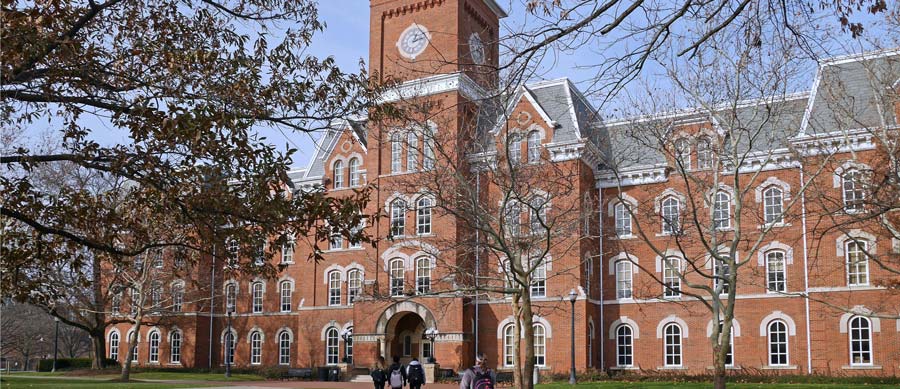
College is often linked with parties, drinking, and pressure to “fit in.” But many students want something different. Some are in recovery. Others simply prefer an environment where alcohol and drug use is less central to campus life.
This guide explains what people mean by sober colleges, how national rankings are created, and how to choose a campus that supports your goals. You’ll also find a current list of 10 schools that students rate as having low beer use, plus practical steps for building a sober support plan.

If you’re considering an intensive outpatient program, one of the first practical questions is simple: What does an IOP schedule look like? Most IOPs follow a predictable weekly rhythm—several therapy blocks per week—so you can stay in treatment while still managing work, school, or family responsibilities.
Below you’ll learn what a typical IOP schedule looks like, what happens during an IOP meeting, and which IOP topics are commonly covered. You’ll also see an example schedule from Eudaimonia so you can picture how it may fit into real life.

Unlike other chronic health conditions and diseases, people who suffer from addiction are often blamed for it. No one sets out to become addicted, but

Substance abuse and addiction can take a toll on the way others view us and the way we view ourselves. In fact, drug abuse itself

Recovery is an ongoing process that doesn’t just happen in a day. Many people struggle with relapse, find their way back to treatment, and continue
People in the early stages of recovery often face difficult roadblocks emotionally and physically. It can be an uncomfortable process that requires ongoing treatment and
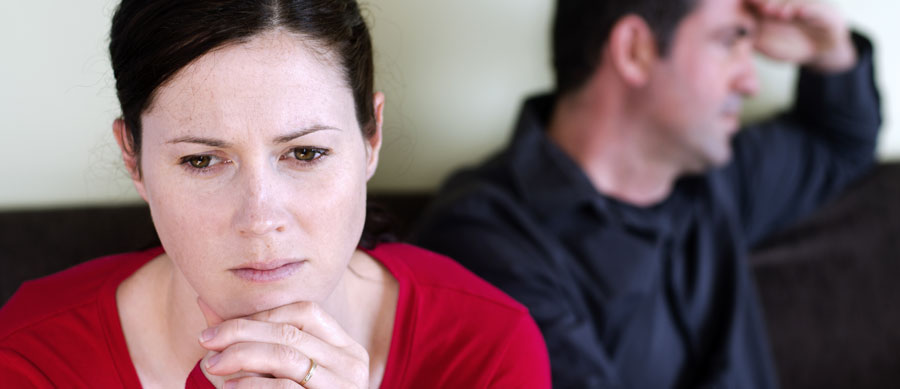
Many times, family members and loved ones try to help an addicted loved one, but unknowingly make the situation worse. Dealing with alcohol or drug