Benefits of Massage Therapy for Addiction Recovery
 People in the early stages of recovery often face difficult roadblocks emotionally and physically. It can be an uncomfortable process that requires ongoing treatment and medical management of symptoms.
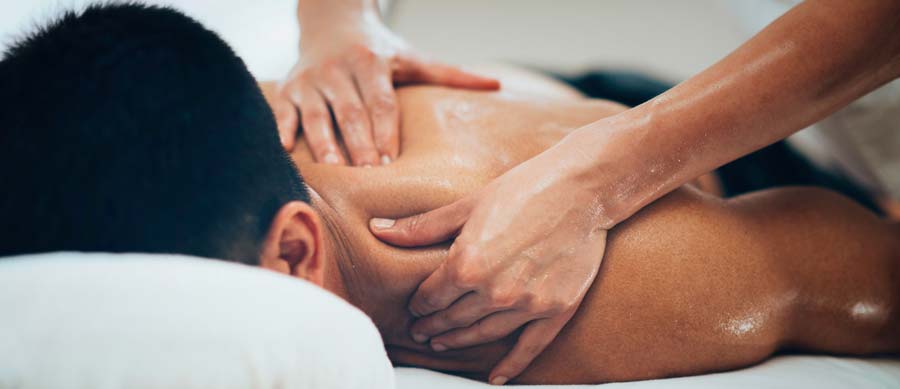
Massage therapy is one therapeutic treatment method that has many benefits for people in recovery. According to the American Massage Therapy Association (AMTA), here are some of the most prevalent benefits of massage therapy for people who are recovering from addiction.1
8 Benefits of Massage Therapy for Addiction Recovery
Massage therapy helps with the detox process.
The physical touch provided by a massage works to help flush lactic acid from the muscles and improve blood flow to the arms and legs. By improving circulation, massage therapy can also enhance the body’s ability to more efficiently push toxic substances out during drug detox.
Massage therapy increases dopamine and serotonin in the body.
This is particularly helpful during the early stages of withdrawal when the body’s dopamine levels drop. This can be an uncomfortable time for people in recovery, but massage therapy can help provide relief.
Massage therapy reduces pain, agitation, and anxiety.
The body releases fewer stress hormones when it is being massaged, which can help reduce some of the common issues people face in early recovery like pain, mood swings, and anxiety. Massage also promotes the release of endorphins, which are the body’s natural “feel-good chemicals.”
Massage therapy promotes better sleep.
Insomnia can be another common issue that people in recovery face. One study found that patients who received a massage twice weekly for five weeks slept and felt better. The patients also showed reduced levels of the neurotransmitter substance P, which the body emits when it is sleep deprived.2 Substance P plays a role in the body’s response to stress and is also related to the transmission of pain information to the central nervous system.3
Massage therapy improves self-awareness.
Addiction recovery is a complex process, emotionally and physically and people in recovery may not always be able to verbally express what’s going on inside. Massage therapy helps individuals connect their body with their emotions and become more aware of what they are feeling. Feeling more connected to the body can be impowering and improve self-awareness as a result.
Massage therapy is relaxing.
Massage makes clients feel good by helping them relax. Massage works to promote relaxation by decreasing heart rate, lowering blood pressure, and decreasing stress hormones.
Massage therapy builds trust.
Some people abuse drugs and alcohol to avoid intimate relationships with the people around them and touch may also be associated with negative feelings. However, during a massage, a person can relax, let their guard down, and be receptive without worrying about being hurt by the other person.
Massage therapy is a natural, alternative treatment.
People who have struggled with abusing prescription medications in the past may choose not to take them in recovery to reduce temptation and the likelihood of relapse. Unfortunately, this can make treating pain, depression, anxiety, sleeping difficulties, and overall discomfort difficult. In these instances, massage therapy can be a very effective alternative to medication.
Massage therapy can be used for a variety of health-related issues and addiction is no exception. Continue browsing our blog to learn more about alternative therapies and treatment for ongoing issues in early recovery like depression, social anxiety, chronic pain, and drug and alcohol cravings.
For more information about Eudaimonia sober living homes in Austin, Houston, and Colorado Springs, call (512) 363-5914 today.
References:
- https://www.amtamassage.org/articles/3/MTJ/detail/2729/massage-addiction
- https://www.ncbi.nlm.nih.gov/pmc/articles/PMC3018656/
- https://www.sciencedirect.com/topics/neuroscience/substance-p


