
Texas

Sober Living Homes

Colorado

Sober Living Homes

Philadelphia

Sober Living Homes

Sober Activity Series: An Introductory Guide to Houseplants

Sober Activity Series: An Introductory Guide to Houseplants
Written by

Table of Contents

In recovery, some find that they have extra time on their hands that used to be occupied in some way by substance use. We’re starting off our new Sober Activity Series with caring for houseplants as a great way to dedicate that extra time to something productive. Houseplants are a great form of therapy for anyone in recovery, someone working through trauma, dealing with mental illness, or some combination of the three. Research shows that for 88% of Americans, caring for houseplants has improved their mental health. So let’s go over a few beginner-friendly houseplants to get you started in your new sober hobby!

Benefits of Houseplants

There are so many reasons to get into houseplants. To name a few, houseplants are great natural air purifiers and they add life and vibrancy to any room. They can be something to look forward to and keep track of if you find yourself with too much time on your hands in recovery. Additionally, caring for houseplants is a fun hobby with a very active community. The indoor houseplant community exploded in 2020 and has only picked up speed since. Some houseplants are even highly sought after for their beauty and rarity. Meet-ups, plant swaps, and pop-up markets are commonly found around Houston!

Houseplants for Beginners

It’s discouraging to purchase a houseplant and put a bunch of time and effort into caring for it, only for it to die on you. So here are a couple of hearty houseplants that are nearly impossible to kill. Once you master caring for these resilient plants, you can move on to more intermediate and fussy houseplants. 

All Varieties of Pothos (Devil’s Ivy)
Sober Activity Series: An Introductory Guide to Houseplants
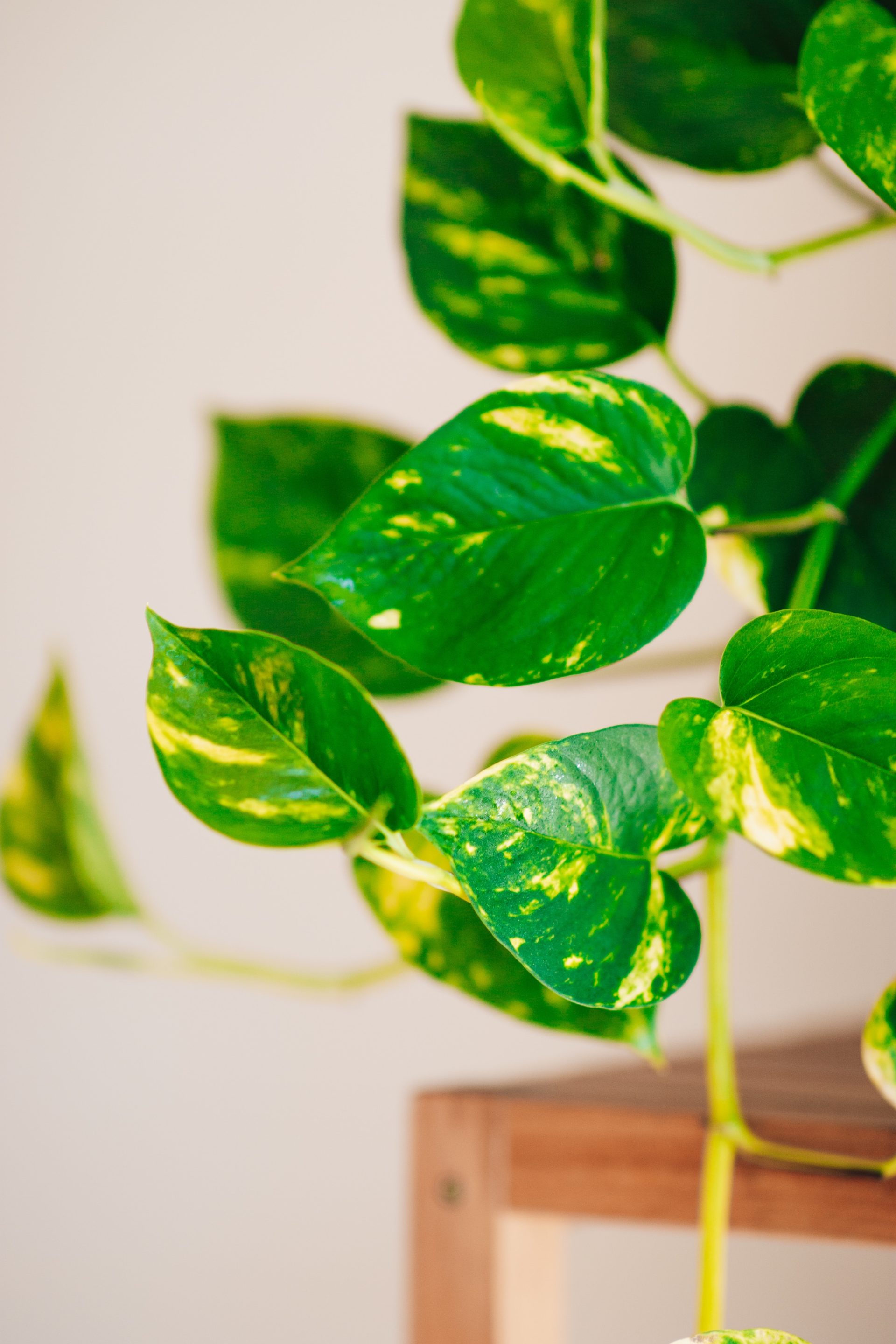
Golden Pothos Vine

The Pothos is considered the quintessential beginner houseplant. It can bounce back from weeks of neglect nearly overnight simply by giving it a little water. Pothos are super forgiving to anyone looking to learn plant care. It’s also highly rewarding to care for because it’s one of the most quickly growing houseplants on this list. And with so many beautiful varieties, there are lots of options to choose from. The most common variety is the Golden Pothos which you can find in most big box stores. 

Aglaonema (Chinese Evergreen)
Sober Activity Series: An Introductory Guide to Houseplants
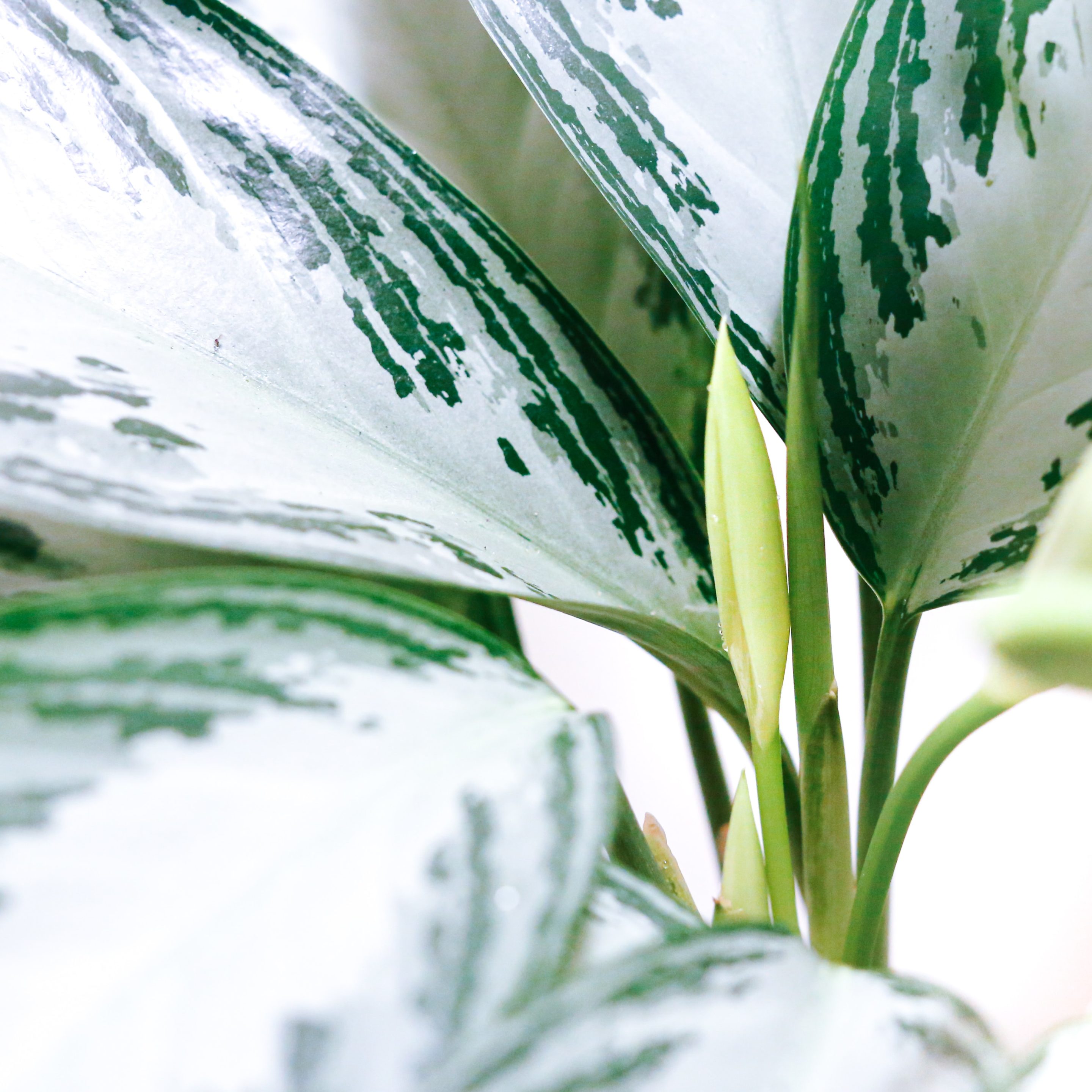
Silver Bay Chinese Evergreen

Another hearty plant, the Chinese Evergreen is known for its beautiful variety of variegated leaves. Most assortments have leaf patterns in crisp variations of green that look more like an acrylic painting than a real-life plant. Chinese Evergreens are also especially hard to kill and highly adaptable to almost any environment. 

Monstera Deliciosa (Swiss Cheese Plant)
Sober Activity Series: An Introductory Guide to Houseplants
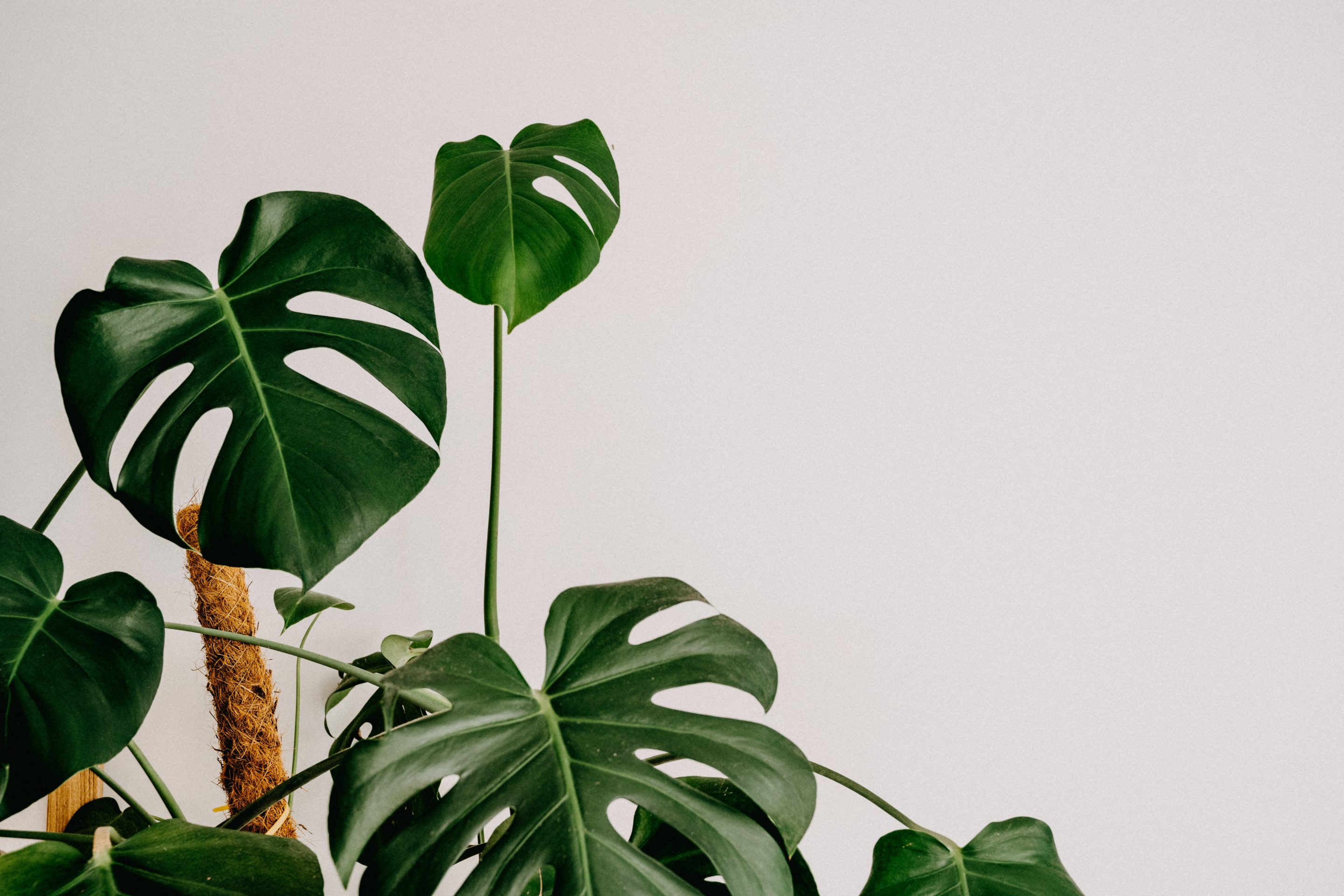
Swiss Cheese Monstera Deliciosa

The poster child of the indoor houseplant, Monster Deliciosa is a great beginner houseplant for anyone who needs the instant gratification (or reassurance) of measurable new growth. With fairly minimal care and attention, a Monstera Deliciosa can put out one to two new leaves every two weeks. But be careful, Monsteras can get out of hand pretty quickly if you don’t keep your eye on them. In other words: they get big, fast. Especially if they’re placed in a room with high light. 

Spathiphyllum (Peace Lily)
Sober Activity Series: An Introductory Guide to Houseplants
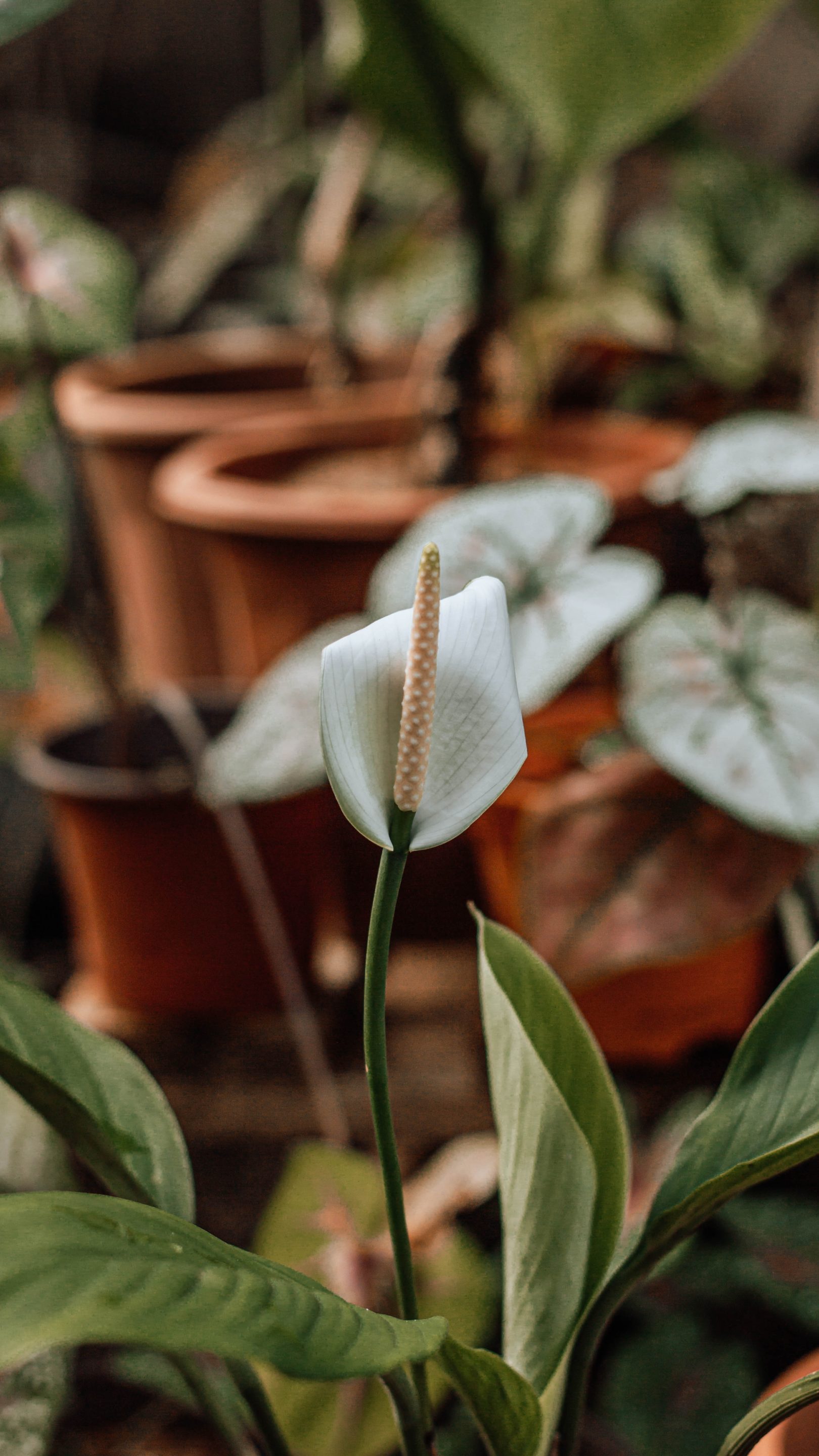
Peace Lily Spathiphyllum

Peace Lilies are considered the perfect plant to gift to other people because they can survive in nearly any lighting situation which takes out the guesswork. Every plant needs sunlight, but Peace Lilies are perfectly content in a sunlit living room or a bedroom with blackout curtains drawn 80% of the day. However, these are among the most highly toxic plants for cats and dogs. So be sure to keep them out of reach of curious paws!

Eudaimonia Can Help Keep You on the Path to Recovery

Eudaimonia offers excellent recovery programs with tailored care. In these programs, individuals can develop positive coping skills with the tools necessary to maintain sobriety. Eudaimonia even provides tailored care based on gender and orientation. We also include supervised, short-term housing to provide support for newly sober individuals. But no matter where you are in your recovery, Eudaimonia Sober Living Homes can provide support every step of the way. We have facilities for sober living in Austin, Houston, and Colorado Springs ready to assist you in living your sober lifestyle. Call Eudaimonia Sober Living Homes at (888) 424 – 4029 for more information on the sober living process and current room availability.


In recovery, some find that they have extra time on their hands that used to be occupied in some way by substance use. We’re starting off our new Sober Activity Series with caring for houseplants as a great way to dedicate that extra time to something productive. Houseplants are a great form of therapy for anyone in recovery, someone working through trauma, dealing with mental illness, or some combination of the three. Research shows that for 88% of Americans, caring for houseplants has improved their mental health. So let’s go over a few beginner-friendly houseplants to get you started in your new sober hobby!

Benefits of Houseplants

There are so many reasons to get into houseplants. To name a few, houseplants are great natural air purifiers and they add life and vibrancy to any room. They can be something to look forward to and keep track of if you find yourself with too much time on your hands in recovery. Additionally, caring for houseplants is a fun hobby with a very active community. The indoor houseplant community exploded in 2020 and has only picked up speed since. Some houseplants are even highly sought after for their beauty and rarity. Meet-ups, plant swaps, and pop-up markets are commonly found around Houston!

Houseplants for Beginners

It’s discouraging to purchase a houseplant and put a bunch of time and effort into caring for it, only for it to die on you. So here are a couple of hearty houseplants that are nearly impossible to kill. Once you master caring for these resilient plants, you can move on to more intermediate and fussy houseplants. 

All Varieties of Pothos (Devil’s Ivy)

Sober Activity Series: An Introductory Guide to Houseplants
Golden Pothos Vine

The Pothos is considered the quintessential beginner houseplant. It can bounce back from weeks of neglect nearly overnight simply by giving it a little water. Pothos are super forgiving to anyone looking to learn plant care. It’s also highly rewarding to care for because it’s one of the most quickly growing houseplants on this list. And with so many beautiful varieties, there are lots of options to choose from. The most common variety is the Golden Pothos which you can find in most big box stores. 

Aglaonema (Chinese Evergreen)

Sober Activity Series: An Introductory Guide to Houseplants
Silver Bay Chinese Evergreen

Another hearty plant, the Chinese Evergreen is known for its beautiful variety of variegated leaves. Most assortments have leaf patterns in crisp variations of green that look more like an acrylic painting than a real-life plant. Chinese Evergreens are also especially hard to kill and highly adaptable to almost any environment. 

Monstera Deliciosa (Swiss Cheese Plant)

Sober Activity Series: An Introductory Guide to Houseplants
Swiss Cheese Monstera Deliciosa

The poster child of the indoor houseplant, Monster Deliciosa is a great beginner houseplant for anyone who needs the instant gratification (or reassurance) of measurable new growth. With fairly minimal care and attention, a Monstera Deliciosa can put out one to two new leaves every two weeks. But be careful, Monsteras can get out of hand pretty quickly if you don’t keep your eye on them. In other words: they get big, fast. Especially if they’re placed in a room with high light. 

Spathiphyllum (Peace Lily)

Sober Activity Series: An Introductory Guide to Houseplants
Peace Lily Spathiphyllum

Peace Lilies are considered the perfect plant to gift to other people because they can survive in nearly any lighting situation which takes out the guesswork. Every plant needs sunlight, but Peace Lilies are perfectly content in a sunlit living room or a bedroom with blackout curtains drawn 80% of the day. However, these are among the most highly toxic plants for cats and dogs. So be sure to keep them out of reach of curious paws!

Eudaimonia Can Help Keep You on the Path to Recovery

Eudaimonia offers excellent recovery programs with tailored care. In these programs, individuals can develop positive coping skills with the tools necessary to maintain sobriety. Eudaimonia even provides tailored care based on gender and orientation. We also include supervised, short-term housing to provide support for newly sober individuals. But no matter where you are in your recovery, Eudaimonia Sober Living Homes can provide support every step of the way. We have facilities for sober living in Austin, Houston, and Colorado Springs ready to assist you in living your sober lifestyle. Call Eudaimonia Sober Living Homes at (888) 424 – 4029 for more information on the sober living process and current room availability.

Contact Us

Our Locations

Gender Specific Homes

Recent Blogs

Small AA-style support group meeting outdoors at sunset in a sober living environment focused on humility in recovery.
Alcoholics Anonymous

Humility in AA: Definition and Practice

Humility is one of the most used—and most confused—words in Alcoholics Anonymous (AA). Some people hear “be humble” and assume it means feeling small, staying silent, or letting others push them around. In AA, it is usually described in a more grounded way: an honest view of who you are, where you are, and what help you may need. This guide explains the humility definition AA members often discuss, how it shows up in the Steps, and what it can look like in daily sobriety. It is general information, not medical or mental health advice.

Read More »
Middle-aged man with bloodshot red eyes sitting at a bar with a glass of whiskey, representing red eyes alcoholic liver disease and liver damage from alcohol.
Addiction

Red Eyes and Alcoholic Liver Disease

Red eyes after drinking are common. They often come from dehydration, poor sleep, or irritation from smoke, screens, or contact lenses. Still, long-term heavy drinking can injure the liver. When liver problems get worse, the eyes can change in other ways. This guide explains what “red eyes alcoholic liver disease” can mean, how alcohol affects the liver, and which symptoms are more closely tied to liver damage from alcohol. It is general information and can’t replace care from a licensed clinician.

Read More »
Young couple sitting outdoors with coffee and a book, representing sober meaning, clarity, and living a sober lifestyle.
Sober Fun

Sober Meaning: Definitions and Real-World Use

“Sober” is often linked to alcohol, but the word has more than one meaning. It can describe a person’s current state (“not drunk”), a longer stretch without substances, or a serious and restrained tone. Because these uses mix, people sometimes talk past each other. This guide explains sober meaning, shows how “soberly” is used, and clarifies the common idea behind “soberish.” It also connects the language to sober living, since housing programs often set clear rules about what “sober” means day to day.

Read More »
Call Now Button