Finding the right sober living in Austin, TX option can feel overwhelming at first. Austin has many recovery housing choices, and they do not all offer the same level of structure, support, or cost transparency. For that reason, it helps to know what sober living means, what daily life usually looks like, and which questions to ask before you move in. Across the top search results, the most useful pages do not treat sober living as one-size-fits-all housing. Instead, they explain that recovery homes can range from peer-run residences to more structured sober living homes with staff support, drug testing, phased expectations, and ties to outpatient care.


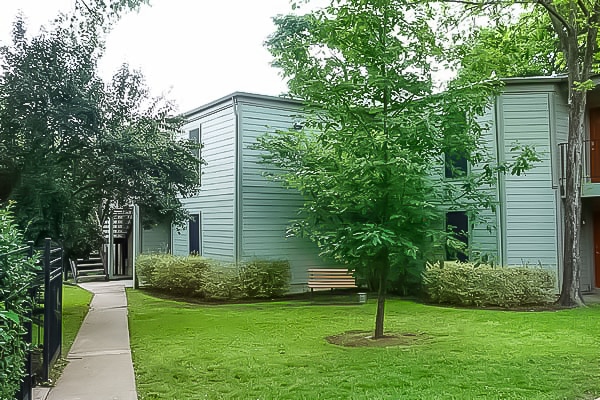


In simple terms, sober living is a drug- and alcohol-free place to live while you build stability in recovery. It is not the same as inpatient treatment, and it is not a hospital setting. Instead, it gives residents a sober living environment with clear rules, shared accountability, and enough freedom to work, go to school, attend treatment, and rebuild daily habits. This middle step matters because many people need more support after detox or rehab but are not ready to return to an unstable home setting. That is why sober transitional housing and long term sober living communities remain common search topics for people who want recovery support without full residential treatment.
Key Takeaways
- What sober living is matters because Austin recovery housing works best when readers understand that it is supportive housing, not clinical treatment.
- Daily life expectations usually include sobriety rules, chores, accountability, and routines that support work, school, or outpatient care.
- How to compare homes should include cost, location, rules, privacy, staffing, and whether the home fits your actual recovery plan.
- Warning signs include vague pricing, unclear rules, poor communication, and weak answers about relapse policies or recovery support.
- Choosing the next step is easier when readers focus on realistic fit, long-term stability, and the type of support they truly need.
- How Eudaimonia helps can be framed around structured recovery housing, accountability, and housing options that support sober living in Austin, Texas.
What Sober Living Means in Austin
Austin has a broad recovery housing market. Some homes are peer-run. Others are professionally managed. Some are basic shared residences, while others resemble sober living apartments Austin TX residents may prefer for more privacy and independence. A few are highly structured sober living programs near me style options that connect residents with outpatient care, work expectations, and regular recovery meetings. Because of that range, the best fit depends less on branding and more on daily needs, budget, and recovery stage.
For a broader definition of recovery housing, the Texas Recovery Oriented Housing Network explains that these homes are shared, substance-free environments centered on peer support and connections to recovery services.
Who Sober Living Is Usually For
Sober living often works well for people who have completed detox, inpatient care, or another form of treatment and want continued structure. It can also help someone whose current home is not supportive of recovery. In Austin, many listings and guides describe sober living as a practical step for people returning to work, school, or independent life while staying connected to recovery routines. Some residents stay for a short transition. Others choose long term sober living near me searches because they want a stable setting for several months while rebuilding finances, trust, and confidence.
How It Differs From Treatment
This is one of the most important distinctions for readers. Sober living is supportive housing, not clinical treatment. That means the home itself usually does not replace therapy, medical detox, or psychiatric care. Instead, it supports recovery by giving residents a safe place to live while they attend outpatient services, mutual-aid meetings, work, or school. Federal and statewide directories also separate treatment services from supportive housing and referrals, which is why many high-ranking pages tell readers to use both types of resources during their search.
What to Expect From Daily Life
Most sober living homes use structure as a core part of recovery. That structure can vary, but the top Austin pages repeatedly mention shared expectations such as sobriety, cooperation, house responsibilities, and participation in productive daily activity. In many homes, residents are expected to be working, seeking work, going to school, volunteering, or taking part in treatment. A sober living home is not just a place to sleep. It is meant to support routine, responsibility, and consistency.
Common Rules and House Expectations
Every home has its own rules, but several themes show up again and again in Austin listings and guides:
- Residents are expected to remain substance-free.
- Many homes require drug or alcohol testing.
- Curfews or sign-in procedures may apply.
- Chores and shared responsibilities are common.
- Visitors, overnight passes, and medication rules often have limits.
These rules may sound strict, yet they serve a purpose. In early recovery, predictability can reduce stress and protect progress. For many people, that structure is what makes sober living recovery homes different from a standard apartment lease. It also explains why search terms like structured sober living, sober living environment near me, and sober living recovery house are so common.
Support, Accountability, and Community
One major benefit of sober living Austin Texas options is the social side of recovery. Residents often live with people who understand the pressure of staying sober in everyday life. Depending on the home, support may include peer accountability, recovery meetings, house managers, coaching, or help connecting to outpatient sober living services. Some homes are highly independent. Others are closer to a recovery-focused community model. This matters because a sober house works best when it creates both safety and belonging. People are not just renting a room. They are stepping into a routine that supports a sober lifestyle.
Cost, Privacy, and Length of Stay
Sober living cost in Austin is one of the first concerns most readers have, especially when comparing shared rooms, private rooms, and added program fees. Austin providers and directory pages show that pricing can vary widely based on room type, privacy, location, and included support. Some homes offer shared rooms at lower monthly rates, while private sober living home options and apartment-style settings often cost more. High-ranking Austin pages also note that deposits, move-in fees, and extra program charges may apply. Because pricing shifts, the safest approach is to ask for a full monthly estimate, not just the advertised base number.
Length of stay also varies. Some people stay 30 to 90 days. Others stay much longer. In practice, long term sober living can make sense when someone needs time to stabilize employment, repair relationships, save money, or strengthen relapse prevention skills. The right timeline depends on progress, not pressure.
Eudaimonia's Success Stories – Real People, Real Freedom
EXCELLENTTrustindex verifies that the original source of the review is Google. Great staff, Eddie the property director is the bees knees! Eddie tells you like it is but shows empathy and compassion, while remaining form and kind!Posted onTrustindex verifies that the original source of the review is Google. Great people in a great placePosted onTrustindex verifies that the original source of the review is Google. Community of fellowship and directed house managers, firm,loving, and genuinely want you to succeed. Nice apts. As well laundry room free, pool, game room. Great price for recoveryPosted onTrustindex verifies that the original source of the review is Google. I am so grateful for Eudaimonia,it has changed my life for the best. I fall down but WE get up.
How to Find the Right Home in Austin
The top-performing pages do more than define sober living. They teach readers how to search well. That pattern is worth following because finding the right home should be a process, not a guess.
If readers want a broader directory-style approach, they can review our guide to group homes and sober living in Austin before narrowing down the best fit.
Start With Reliable Search Tools
If you are comparing sober living homes in Austin Texas, begin with sources that help verify standards or availability. The Texas Recovery Oriented Housing Network publishes a directory of recovery housing and connects its work to national recovery residence standards. Oxford House also offers a vacancy search for peer-run homes. SAMHSA’s FindTreatment.gov can help people locate treatment and related supports, which can be useful if you need outpatient care alongside housing. These tools help you move beyond broad searches like sober living near me in Austin and into a more informed shortlist.
If you want to compare recognized options in Texas, you can use the TROHN recovery housing directory and review homes against the NARR standard for recovery residences.
Ask Questions That Reveal Fit
Before you choose a home, ask practical questions that affect daily life:
- What is the total sober living cost each month?
- Are there deposits, move-in fees, or drug testing fees?
- Is the home men-only, women-only, or another format?
- What are the house rules around curfew, meetings, and employment?
- Can residents attend outpatient treatment or IOP while living there?
- What happens after a relapse?
- Are pets allowed, and are there apartment-style options?
These questions matter because two sober living houses may look similar online but feel very different in real life. One may suit someone seeking a simple sober house near me. Another may be better for someone who wants sober living with pets, more accountability, or a stronger connection to outpatient care.
Readers who also need treatment or co-occurring support can use FindTreatment.gov, which includes filters for transitional housing, halfway houses, and sober homes alongside treatment services.
Match the Home to Your Real Life
Location matters more than many people expect. Austin guides often advise readers to think about zip code, work commute, school, meetings, and daily schedule before choosing a house. A home may look appealing online, yet still be a poor fit if transportation is hard or the routine does not match your recovery plan. That is especially true for people looking for north Austin sober living, south Austin sober living, sober living apartments, or homes close to work and recovery meetings. The right sober living residence should support the life you are actively trying to build.
Some readers may specifically want men’s sober living in Austin if they are looking for a more focused recovery setting.
Others may prefer women’s sober living in Austin when safety, comfort, and program fit are top priorities.
Signs a Home May Not Be the Right Fit
A neutral review should also tell readers what to watch for. Be cautious if a provider is vague about cost, avoids explaining rules, refuses to discuss relapse policies, or cannot clearly describe how accountability works. It is also wise to keep looking if a home seems disorganized during the intake process or if staff cannot explain how residents stay connected to recovery support. In a strong sober living environment, expectations are clear, safety is taken seriously, and the home can explain its structure without pressure or confusion. That is true whether someone is searching for sober living homes for men near me, women’s sober living Austin TX, or a broader sober community near me.
Choosing Your Next Step
Sober living Austin Texas options can offer a valuable bridge between treatment and full independence. The key is not choosing the flashiest listing. It is choosing the home that fits your recovery stage, budget, and daily life. A good sober living home should provide stability, clear expectations, and a living environment that supports progress rather than disruption. When readers take time to compare sober living homes cost, structure, location, and support level, they usually make stronger decisions. Austin has many sober living options, and the right one is often the one that feels realistic, safe, and sustainable for the next stage of recovery.
How Eudaimonia Recovery Homes Can Help With Sober Living in Austin, Texas
Eudaimonia Recovery Homes can help people who want a more stable and structured start in sober living in Austin, Texas. The program offers recovery housing designed for daily accountability, which can be useful after detox, rehab, or a difficult period at home. Residents can find options that support work, school, and ongoing recovery rather than forcing life to stop. Eudaimonia also offers different housing formats, which may help people who need more flexibility in privacy, budget, or living style. Some Austin options include pet-friendly placements, which may matter for residents who do not want to leave an animal companion behind. The homes are built around sober routines, support, and a clear living structure. That can make the move into sober living feel less uncertain and more practical. For many people, the goal is not just to stay housed, but to build a steady and healthy daily life in recovery. Eudaimonia Recovery Homes can support that transition with housing designed around consistency, safety, and long-term progress.
When a reader is ready to take the next step, they can apply for sober living and speak with admissions about availability, fit, and move-in timing.
Other Sober Living Locations
Frequently Asked Questions About Sober Living in Austin, Texas
What is sober living in Austin, Texas?
Sober living in Austin, Texas is a shared, substance-free living environment for people in recovery who want more structure and accountability than a regular apartment. It is designed to support daily sobriety while residents work, attend school, or continue outpatient care.
How is sober living different from rehab?
Sober living is housing, not clinical treatment. Rehab provides medical or therapeutic care, while sober living provides a stable place to live with house rules, peer support, and recovery-focused routines
How much does sober living cost in Austin?
Cost varies by room type, neighborhood, amenities, and how much support is included. Shared rooms usually cost less than private rooms or apartment-style options, and some homes may also charge deposits or move-in fees.
How long can you stay in a sober living home?
Many sober living homes operate month to month, so length of stay depends on progress, house compliance, and personal goals. Some residents stay a few months, while others remain longer for stability and relapse prevention.
Do sober living homes in Austin have rules?
Yes. Most homes have rules related to sobriety, chores, curfews, guest policies, and participation in recovery activities or productive daily routines.
Can you work or go to school while living in sober housing?
Usually, yes. Many sober living homes are built for people who are returning to work, school, or outpatient treatment while staying in a structured environment.
Are there men’s and women’s sober living homes in Austin?
Yes. Austin search results commonly show gender-specific housing options, including dedicated men’s and women’s sober living choices.
Are there sober living homes in Austin that allow pets?
Some Austin options do allow pets, but policies vary by home. Pet-friendly housing should always be confirmed directly before move-in.
How do you choose the right sober living home in Austin?
Compare cost, location, rules, accountability, staffing, and how well the home fits your work, school, treatment, and recovery needs. It also helps to check directories and standards before committing.
Where can I search for sober living or recovery housing in Texas?
You can start with the TROHN housing directory for Texas recovery residences and use FindTreatment.gov if you also need treatment, outpatient support, or related services.