Texas

Sober Living Homes

Colorado

Sober Living Homes

Philadelphia

Sober Living Homes

Recovery Blog

How to Work Step 9 [Of the 12 Steps]

After you make a list of the people you have wronged in Step 9, you’ll move on to Step 9 of the 12-Step Program, which is making direct or indirect amends. For many people, Step 9 is one of the most difficult of the 12 Steps because it’s hard to set things right, especially with those you’ve hurt in the past. However, as difficult as it is, this step is a vital part of the healing process.

Read More »

How Loneliness Can Get In The Way Of Sobriety

Feelings of loneliness in sobriety may not seem like they have the potential to cause relapse, but they’re more powerful than you might think. Evidence from research studies shows loneliness is one of the psychological variables related to high-risk behavior like substance abuse. As a result, people in recovery may relapse when they feel lonely because they may be more likely to revert to old behaviors in moments of weakness

Read More »

8 Fundamental Factors in Long-Term Sobriety

In treatment, people make personal lifestyle changes and gain skills and tools that help them sustain their sobriety. However, research studies have indicated several key factors will help them sustain their new sober lifestyle that’s sustainable and purpose-filled.

Read More »

6 Self-Defeating Behaviors to Avoid In Recovery

Certain behaviors, when repeated over and over, can prevent you from creating the best life for yourself after addiction. But sometimes, it feels impossible to change our behavior and do something different. In fact, we may not even realize how these harmful behaviors are affecting us and those around us.

Read More »

How to Work Step 8 of the 12 Steps

While working Step 8 of the 12-Step Program, you’re going to make a list of the people you have wronged and the specific ways you have harmed each one. Doing this can be difficult and facing the wreckage of your past is never easy. But with the right support, you can make it through this step and onto the next.

Read More »
Illustration of a home and tree resting on a person’s hand, symbolizing sober living homes and relapse prevention in addiction recovery.

How Sober Living Homes Help Prevent Relapse

Relapse is a real risk after rehab, so people in recovery should do everything they can to safeguard their sobriety. Sober living homes offer many great benefits that can help newly sober individuals sustain their recovery and establish healthy habits and relationships. If you’re considering enrolling yourself or a loved one in a sober living program, here are some of the most important ways they can help prevent relapse.

Read More »

5 Myths About Relapse Debunked

Not everyone will experience relapse in the same way, or at all! However, there are many harmful myths and ideas about relapse that are frequently spread and shared. Viewing these misconceptions as truth can be very damaging and may increase the likelihood that you’ll revert to a lifestyle of active addiction.

Read More »
How to Work Step 7 Of the Twelve Steps

How to Work Step 7 Of the Twelve Steps

If you’re working your way through the 12-Step Program, you’ve likely found that no single step is particularly easy. The same goes for Step 7. In previous steps, you’ve admitted your powerlessness over drugs and alcohol, handed your will over to your Greater Power, and looked inward to identify defects of character that have contributed to your addiction.

Read More »

Can Meditation Help Recovery?

Drug rehab programs often merge traditional evidence-based treatment methods with holistic mind-body practices like yoga or acupuncture to provide well-rounded treatment. Although addiction is a complex disease, mind-body therapies can help people achieve lasting sobriety. For example, meditation is one commonly-used mind-body practice. But, can meditation help recovery? Let’s take a closer look at its benefits.

Read More »

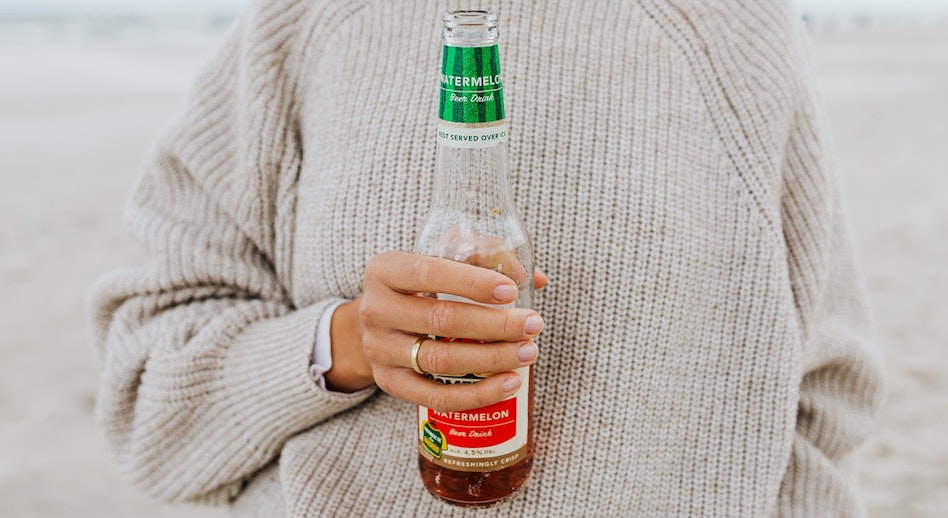
9 Sober Activities for the Beach

It’s illegal to drink alcohol at most public beaches, but people often still do. Maybe drinking at the beach was one of your pastimes when you were addicted and it’s hard to think about spending time at the beach without alcohol being involved. You’re certainly not alone in this. Many people have to re-frame the way they view certain activities and intentionally establish new ways to enjoy leisure time.

Read More »

What is Contingency Management and How Does It Help Recovery?

The concept of rewarding positive behavior with some type of tangible reward is often applied in addiction treatment through a type of therapy called contingency management. It’s frequently used to help motivate clients to sustain their sobriety, and in many instances, it increases overall success in recovery.

Read More »

Should I Go Back to Rehab?

Maybe you’ve found yourself in a bad place; feeling uncertain about your future sober, struggling to deal with cravings, or hiding drug use from your friends and family again. If this is you, you’re not alone. It’s important to get back into treatment right away. Going back to rehab can help you address underlying issues that are causing your addiction to resurface and will give you the best chance at achieving lasting recovery.

Read More »

What Is a Peer Recovery Support Specialist?

Certified peer recovery support specialists help sober people adjust to a new sober lifestyle. This type of peer support is a highly effective recovery service. Not only do individual testimonies support that fact, but so does the research.

Read More »
Call Now Button