 Your first thought after leaving rehab probably isn’t, “I want to get a pet.” Being in the early stages of recovery, you are most likely focused on finding a safe and sober place to live, getting a job, or simply maintaining your sobriety after leaving rehab.
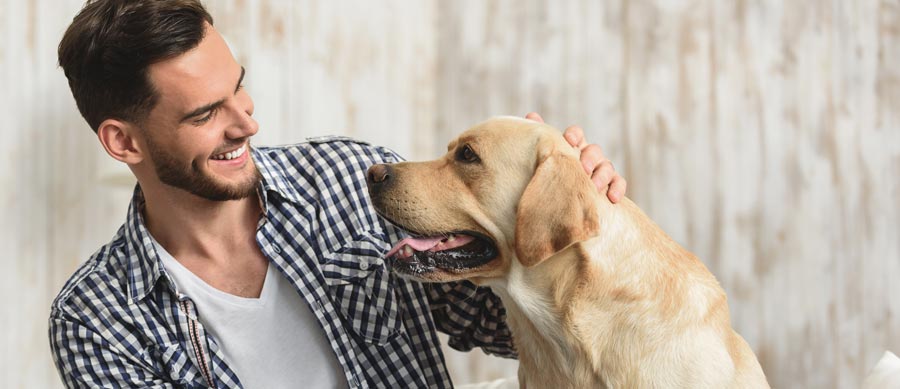
Regardless, if you’ve been sober for a few months or years and you find yourself thinking about getting a pet, you may be surprised to find that pets can actually provide several great benefits for people in recovery. In fact, a little furry friend may even make a life of sobriety more rewarding.
Physical, Social and Psychological Benefits of Pets
The benefits of animal-human interaction are undeniable and recent scientific evidence backs the idea that pets are good for your mental health. Researchers have found that interaction with animals of all kinds, such as dogs, crickets, rabbits, or guinea pigs, all provide psychological benefits.1 From reducing symptoms of PTSD to relieving depression and anxiety, animals provide psychological benefits for people of all ages and walks of life.
Pets can also make socializing easier by offering companionship, reducing feelings of anxiety related to social situations and serving as catalysts for making new friends.2 For example, it can be difficult to meet new people when you move into a new neighborhood or city. But if you’re out walking your dog three or four days a week, you’re bound to run into other residents in the area or other dog owners doing the same thing. Not to mention, pets provide an easy outlet for conversation, especially if you struggle to get out and meet people.
According to the Centers for Disease Control (CDC), despite the germs and pet dander that animals can sometimes bring along with them, pets actually provide a wide range of physical benefits too. Pet owners may benefit from:3,4
- Decreased blood pressure
- Decreased cholesterol levels
- Decreased triglyceride levels
- Elevated levels of serotonin and dopamine (the nerve transmitters that make us feel happy and calm)
- Increased opportunities for outdoor exercise
Having a Pet in Recovery
Although there are several things to consider before taking on the responsibility of a pet, such as the financial obligations and appropriate living accommodations, people who are recovering from addiction may find pet ownership to be extremely rewarding. Here are a few specific benefits of pet ownership for people in recovery:
- Pets help people develop and practice responsible behaviors. As an addict in recovery, part of learning how to live sober on your own after rehab involves developing and practicing responsibility. This may include paying bills, setting money aside in savings, planning and preparing healthy meals, or maintaining a clean living space. Caring for a pet also requires a certain level of maturity and responsibility. Regularly feeding the pet, making arrangements for its care while you are traveling, and keeping up with vaccinations and veterinary care are just a few of the things you’ll need to do as a pet owner. If you’re not quite ready to commit to all that, sober living programs can also help you develop important life skills that may prepare you for pet ownership later down the road.
- Pets help people in recovery make social connections. Having a pet often makes it easier to talk to other people, especially if they are a pet owner too. Just like meeting people at recovery support groups or rehab alumni events, having something in common helps bridge the gap between strangers and may even serve as the foundation for a great friendship. Whether you meet people at the dog park or in the lobby of the vet’s office, having a pet may help you connect with others and start rebuilding a new social circle that is based on healthy relationships.
- Pets reduce anxiety and depression. In early sobriety, after the pink cloud fades, people often struggle with feelings of anxiety and depression. As stated earlier, pet ownership actually helps reduce these feelings and improve mental health and overall well-being. Of course, anxiety and depression alone are not necessarily good reasons to get a pet, but it can be nice to know that simply going for a run with your dog or watching your fish swim around its fishbowl has a positive impact on your mental health.
- Pets get people in recovery outside and exercising. Exercise and self-care are very important aspects of addiction recovery. Some days, it can be difficult to get outside and do something active, but neglecting your physical health ultimately puts your sobriety at risk. Pets (especially dogs) can help motivate people to get moving, whether it’s a moderately-paced walk around the neighborhood or a three-mile run at the local nature preserve. It never hurts to have an exercise buddy.
- Pets help decrease feelings of loneliness. In early recovery, many people experience bouts of loneliness as they learn to adjust to a lifestyle of sobriety. Many drug addicts or alcoholics spend most of their time with other people who use drugs or abuse alcohol. So when that part of their lives suddenly disappears, it can be difficult to start over and learn how to socialize and have fun without substance abuse. It’s normal to feel lonely sometimes in recovery, but having a pet can help reduce those feelings and provide a sense of companionship at a time when it’s needed most.
Pet-Friendly Sober Living Homes
Many people who complete a drug and alcohol rehab program continue on with their treatment by enrolling in a sober living home. Although having a pet may limit your options when searching for sober living homes, many transitional programs offer pet-friendly living accommodations.
Eudaimonia Recovery Homes offers pet-friendly sober living apartment homes for men who are enrolled in our transitional housing program in Austin, Texas. Our pet-friendly apartment units are specifically designed for residents with pets and are spacious enough to accommodate two men. Roommates with similar pets are paired together to provide an ideal living space and the pet-friendly units are all located in a secluded part of the complex near the on-site dog park.
If you already have a pet back at home that you’d like to bring with you or you’re considering getting a pet before moving into a sober living home, Eudaimonia can provide accommodating, clean, and spacious living arrangements for you. Dogs, cats, caged animals, and fish are all welcome, but contact us today to find out if your pet will be permitted to live on-site with you in our Austin sober living apartments.
References:
- http://time.com/4728315/science-says-pet-good-for-mental-health/
- https://www.health.harvard.edu/blog/pets-can-help-their-humans-create-friendships-find-social-support-201505067981
- https://www.cdc.gov/healthypets/health-benefits/index.html
- https://www.webmd.com/hypertension-high-blood-pressure/features/health-benefits-of-pets#1