Eudaimonia Staff Provides Washable Face Masks for All Residents
We deeply care about our residents’ health and well-being.
Austin Mayor Steve Adler and Travis County Judge Sarah Eckhardt recently extended the stay-at-home order through May 8, 2020, due to the ongoing coronavirus pandemic. The order requires that all Austin residents stay at home and wear fabric face coverings when leaving home to attend work or to conduct essential activities. This means people should be wearing face masks while getting groceries, picking up take-out food, receiving medical care, or exercising outdoors.
With the coronavirus pandemic still raging on, it has become more important than ever to ensure that our sober living residents are well-protected. At Eudaimonia Recovery Homes, we deeply care about our residents’ health and well-being and we want to make sure they feel safe and comfortable in their sober living homes despite the current circumstances.
Since medical-grade masks are being reserved for healthcare workers, the CDC is encouraging U.S. citizens to make face masks with materials they purchase, acquire, or already have at home.
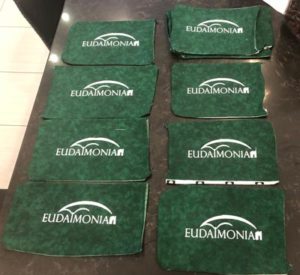
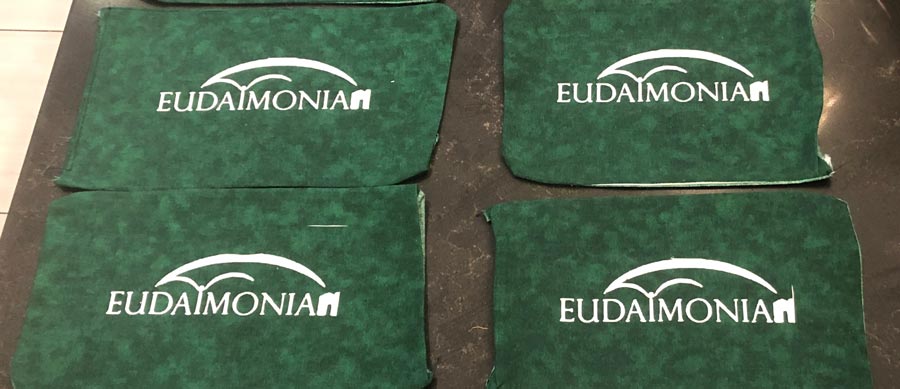
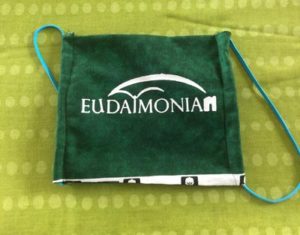
The staff at Eudaimonia Recovery Homes is well aware that these circumstances may pose challenges for sober living residents who are living in group homes. As such, we are providing handmade, washable cloth face masks for all of our sober living residents. We will also repair or replace any masks that are damaged. Residents are strongly encouraged to wear them in appropriate situations, per the current CDC guidelines, and continue practicing social distancing during this time.
Although we are all tired of social distancing and being quarantined in our homes, each of us has a responsibility to protect ourselves and one another during this challenging time. With these Eudaimonia face masks, our goal is to help prevent the spread of COVID-19 and encourage responsible behaviors among residents that will promote community health and healing.
Right now, we must all work together as one to fight the coronavirus. With time, we will get through this and come out stronger on the other side.
- Accountability in Sober Living
- Addiction
- Austin AMP
- Employee Spotlight
- Exercise for Recovery
- Experience
- Extended Care
- Movie Review
- Outpatient Care
- Recovery
- Sober Fun
- Sober Living
- Sober Living Activities
- Structured Sober Living
- The Sober Life: Austin
- The Sober Life: Colorado Springs
- The Sober Life: Houston
- The Sober Life: Los Angeles
- The Sober Life: San Antonio
- The Sober Life: Tampa
- Twelve Steps
Take Action Today
We Are Ready to Assist You
Call us now and begin healing at (51) 236-35914 or you can fill out form below and we will contact you shortly.
Or text us and we will call you right back.
- Why Choose Eudaimonia for Your Sober Living Experience?
- Recovery-Focused Lifestyle
- Individualized Care
- Homes for Everyone
- On-Site Support Staff
- Family Support


